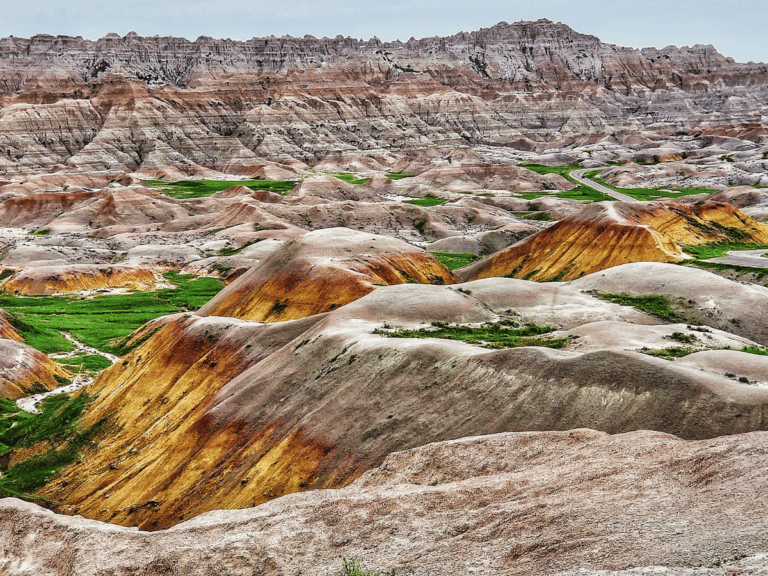
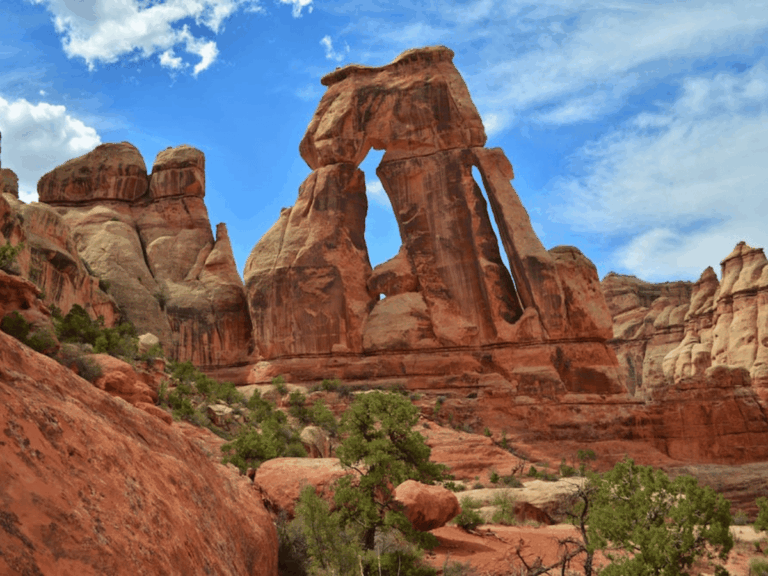
Everyone Talks About The Southwest — But This Corner of the U.S. Deserves the Spotlight
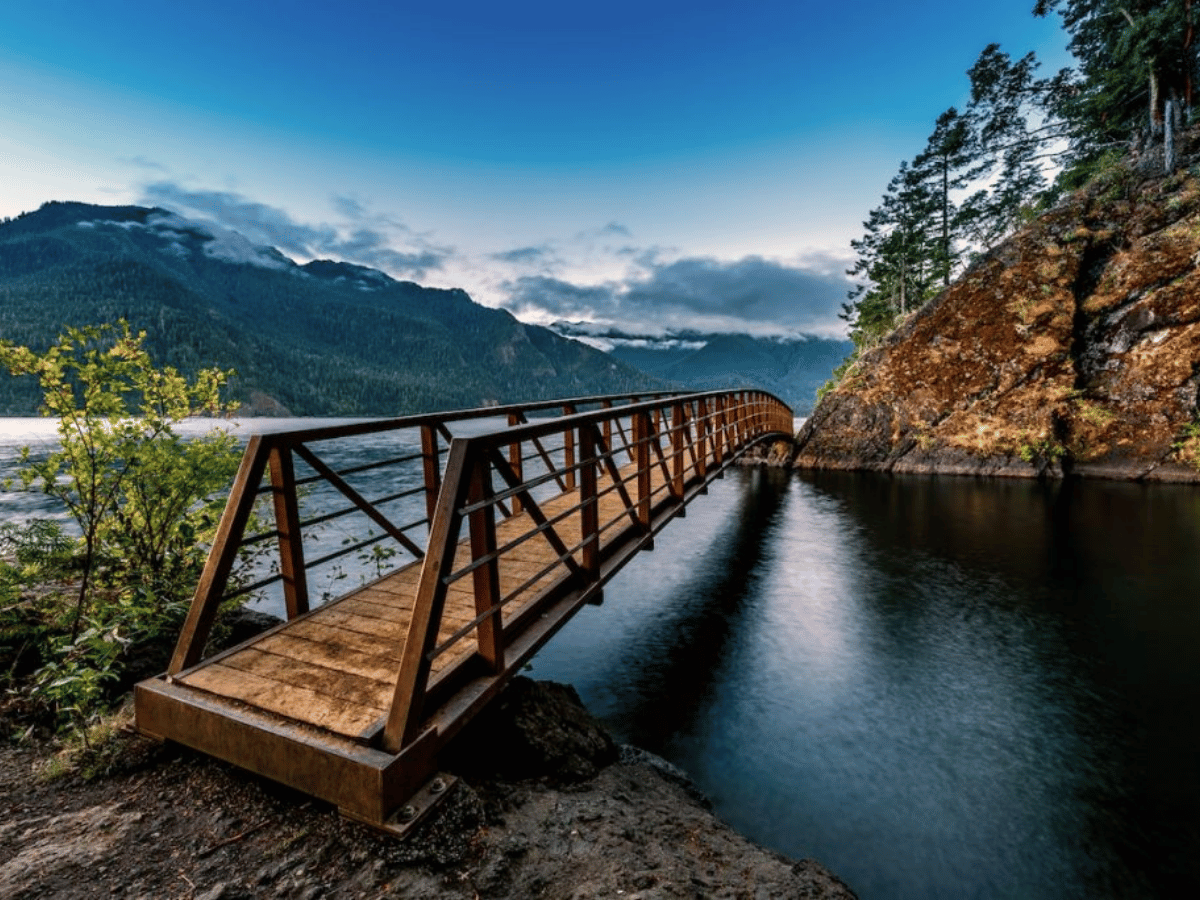
When people think of epic American landscapes, the Southwest usually steals the conversation.
Red rocks, desert canyons, the Grand Canyon glowing at sunset.
Fair enough.
But there’s a corner of America where rainforests meet rugged coastlines, where volcanic peaks tower over turquoise lakes, and where you can drive for hours without seeing another car.
The Pacific Northwest doesn’t shout for attention.
It just quietly delivers some of the most stunning scenery on the continent…
1. The Oregon Coast
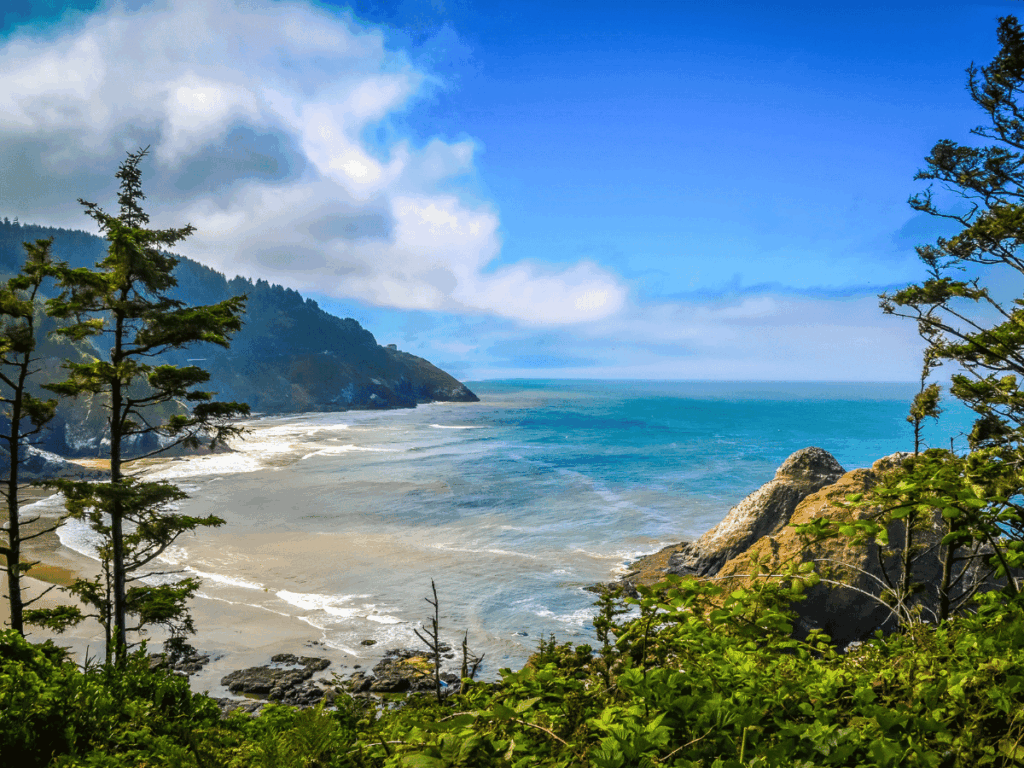
All 363 miles of Oregon’s coastline are publicly accessible by law, which means no private beach clubs or “residents only” signs.
The southern stretch through Samuel H. Boardman State Scenic Corridor features natural bridges, sea stacks, and hidden coves that rival anything you’d find in Big Sur.
Haystack Rock at Cannon Beach rises 235 feet from the surf, creating one of the most photographed landmarks on the West Coast.
And Harris Beach State Park near the California border was recently named by National Geographic as one of the most underrated state parks in America.
2. Olympic National Park
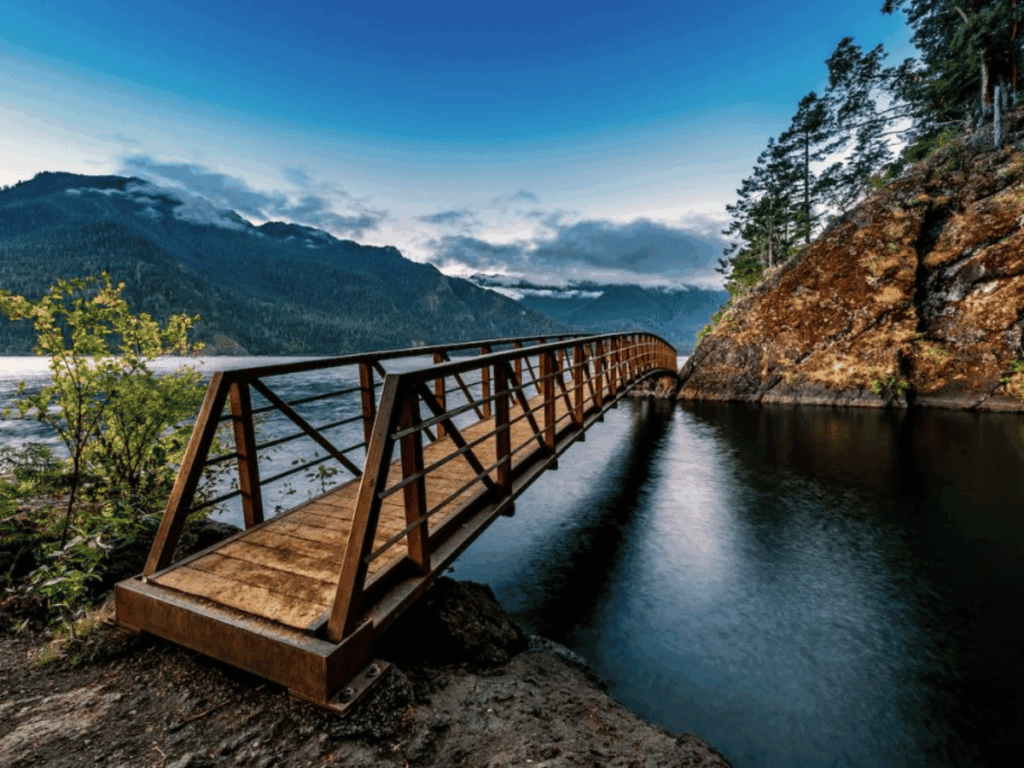
Where else can you see temperate rainforest, alpine glaciers, and wild Pacific coastline all within the same park?
The Hoh Rainforest receives up to 14 feet of rain annually, creating a primordial landscape where moss drapes from 300-foot Sitka spruces and Roosevelt elk wander through the mist.
Hurricane Ridge offers panoramic mountain views that stretch all the way to Canada on clear days.
And the park’s 73 miles of wilderness coast feature sea stacks, tide pools, and beaches you can only reach by hiking.
3. The Columbia River Gorge
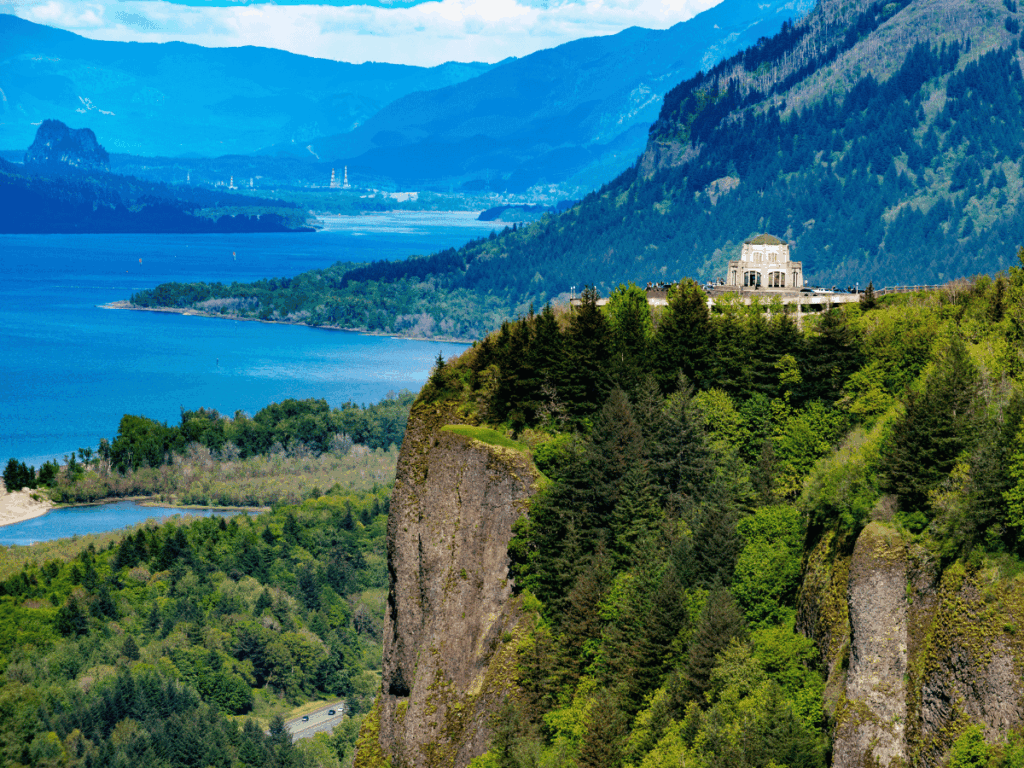
The border between Oregon and Washington cuts through one of the most scenic river corridors in North America.
Multnomah Falls drops 620 feet in two tiers, making it the tallest waterfall in Oregon, and it’s just one of dozens along the Historic Columbia River Highway.
On the Washington side, Dog Mountain’s spring wildflower bloom draws hikers from across the region.
The Gorge also happens to be one of the best windsurfing and kiteboarding destinations in the world, thanks to the reliable winds that funnel through this dramatic canyon.
4. North Cascades National Park
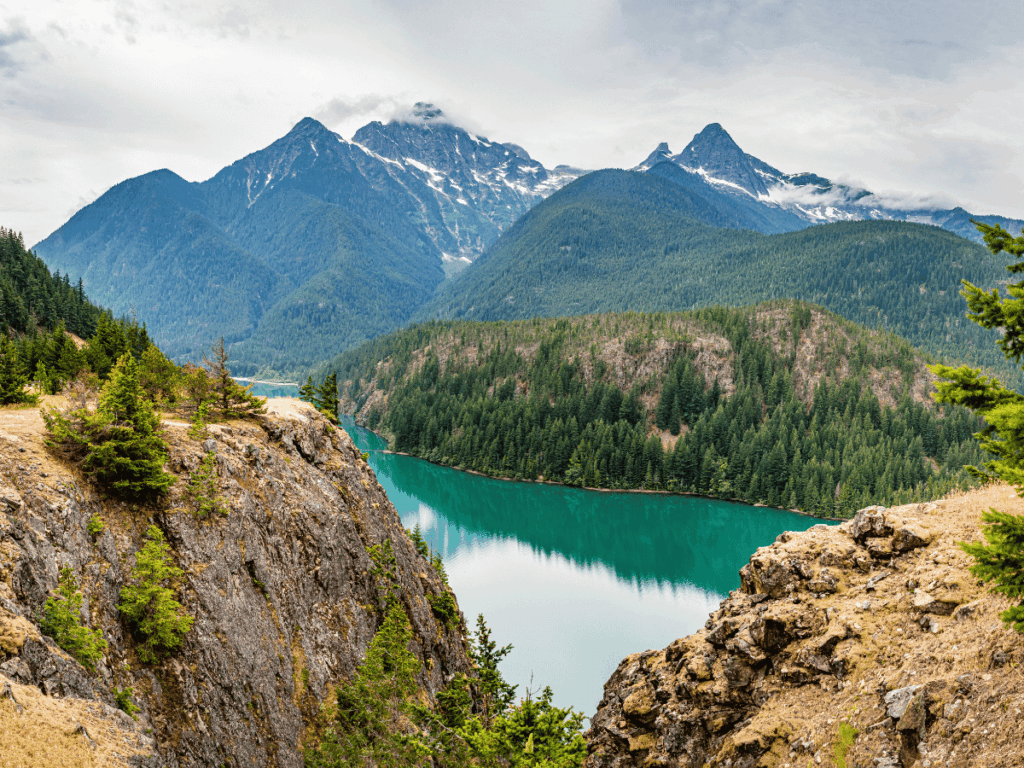
This might be the most underrated national park in the lower 48 states.
Diablo Lake’s impossible turquoise color comes from glacial flour suspended in the water, creating scenes that look more like Switzerland than America.
Over 300 glaciers cling to the peaks here, more than any other national park outside of Alaska.
The challenging hikes and winding access roads keep crowds low, meaning you might have an entire alpine lake to yourself on a weekday.
5. The San Juan Islands
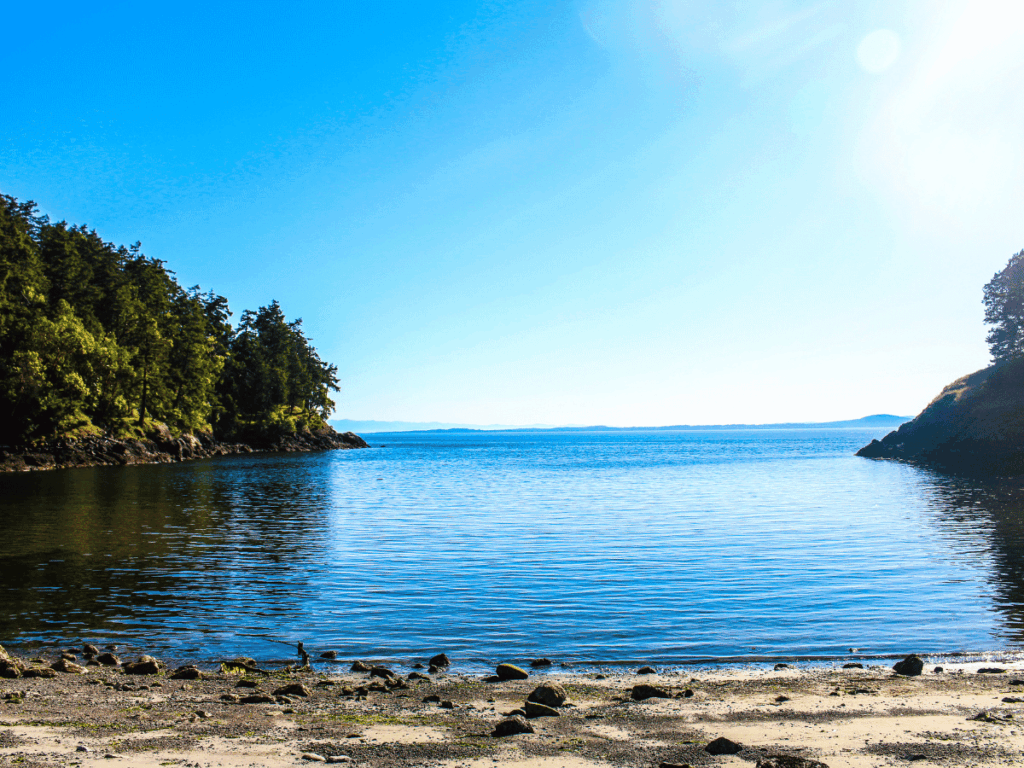
This archipelago between mainland Washington and Vancouver Island feels like the Pacific Northwest distilled to its essence.
Orca whales breach in the channels between islands while bald eagles circle overhead.
You can only reach the islands by ferry or floatplane, which keeps the pace unhurried and the atmosphere relaxed.
Friday Harbor on San Juan Island offers whale watching tours, while Orcas Island delivers some of the best hiking and mountain views in the region from the summit of Mount Constitution.
6. Crater Lake National Park
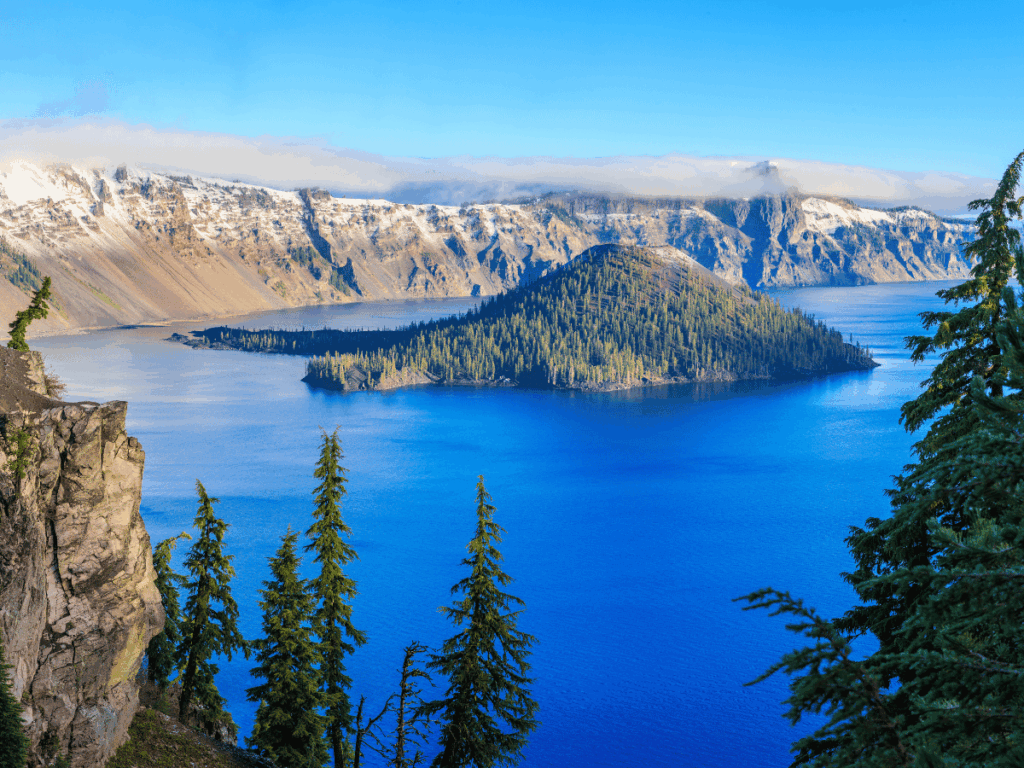
The deepest lake in the United States sits inside the collapsed caldera of an ancient volcano in southern Oregon.
At 1,943 feet deep, Crater Lake’s water is so pure and blue that it almost doesn’t look real in photographs.
The 33-mile Rim Drive circles the entire caldera, offering over 30 overlooks of the impossibly colored water below.
Winter buries the park under an average of 43 feet of snow, but summer brings wildflowers and some of the clearest air you’ll find anywhere in the country.
7. Mount Rainier National Park
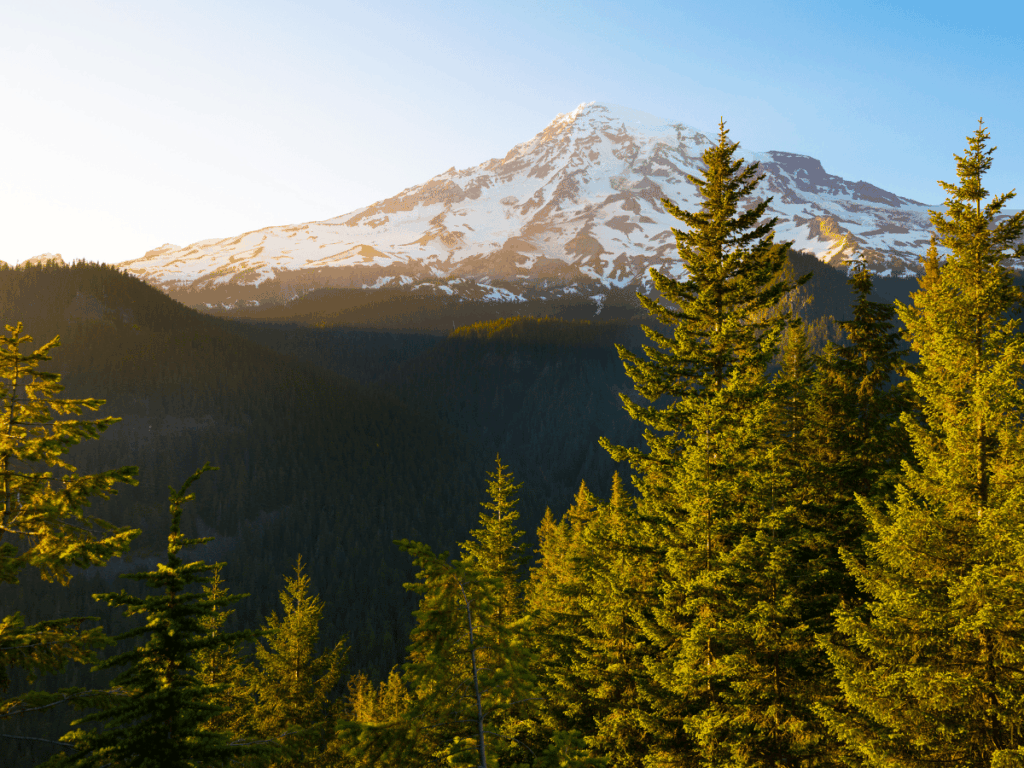
On a clear day, Mount Rainier dominates the Seattle skyline from 70 miles away, rising 14,411 feet above Puget Sound.
The Paradise area on the mountain’s south side offers wildflower meadows that explode with color every summer, backed by one of the most massive peaks in the contiguous United States.
Twenty-five major glaciers cling to Rainier’s slopes, making it the most glaciated peak in the lower 48.
The Wonderland Trail circles the entire mountain over 93 miles, passing through every ecosystem the park has to offer.
8. The Palouse
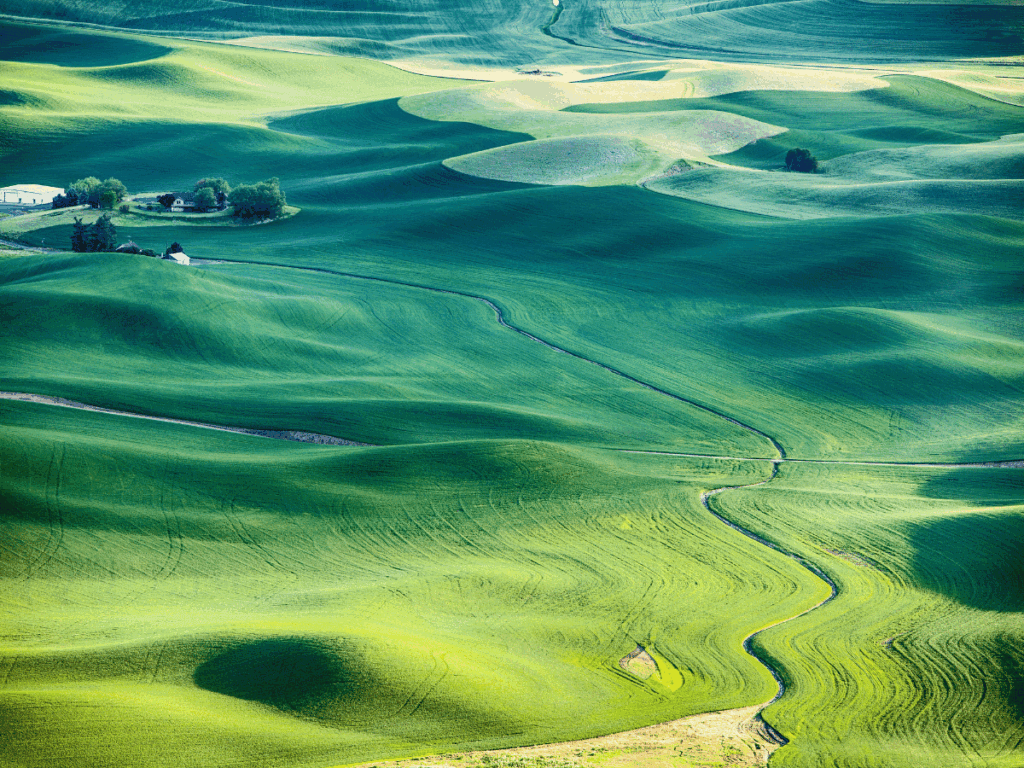
In the rolling farmland of eastern Washington, something magical happens with the light.
The Palouse region features undulating hills of wheat and barley that create patterns photographers travel from around the world to capture.
Steptoe Butte rises above the farmland, offering 360-degree views of this agricultural masterpiece at sunrise and sunset.
It’s nothing like the dramatic coasts and forests to the west, but the subtle beauty here is just as unforgettable.
The Southwest has its canyons and deserts.
The Pacific Northwest has everything else.
Rainforests, coastlines, volcanoes, islands, and farmland that looks like fine art from above.
This corner of America has been quietly stunning for millennia.
Maybe it’s time more people noticed.