14 Stunning U.S. Destinations Your Geography Teacher Never Mentioned
Remember those maps on the wall?
The Grand Canyon, Yellowstone, Mount Rushmore.
The same ten places over and over, like America had nothing else worth seeing.
Your geography teacher lied to you.
Not on purpose, probably.
But there are places in this country so stunning they belong in National Geographic, and most Americans will never hear about them…
1. Pictured Rocks National Lakeshore, Michigan
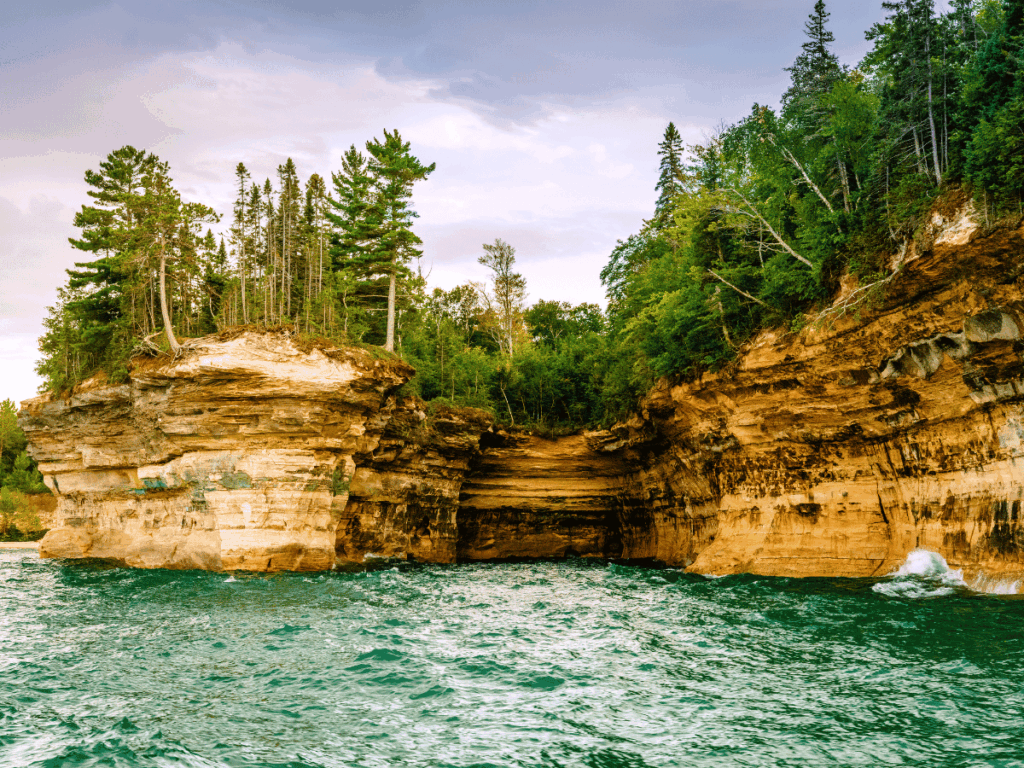
Imagine 200-foot sandstone cliffs painted in streaks of red, orange, green, and white rising straight from crystal-clear water.
Pictured Rocks in Michigan’s Upper Peninsula was the first National Lakeshore in the United States, designated in 1966.
The colors come from minerals seeping through cracks in the rock, with iron creating reds and oranges, copper making blues and greens, and manganese adding browns and blacks.
The 42-mile shoreline also features seven waterfalls, sea caves, and beaches that look more Caribbean than Midwest.
2. Apostle Islands, Wisconsin
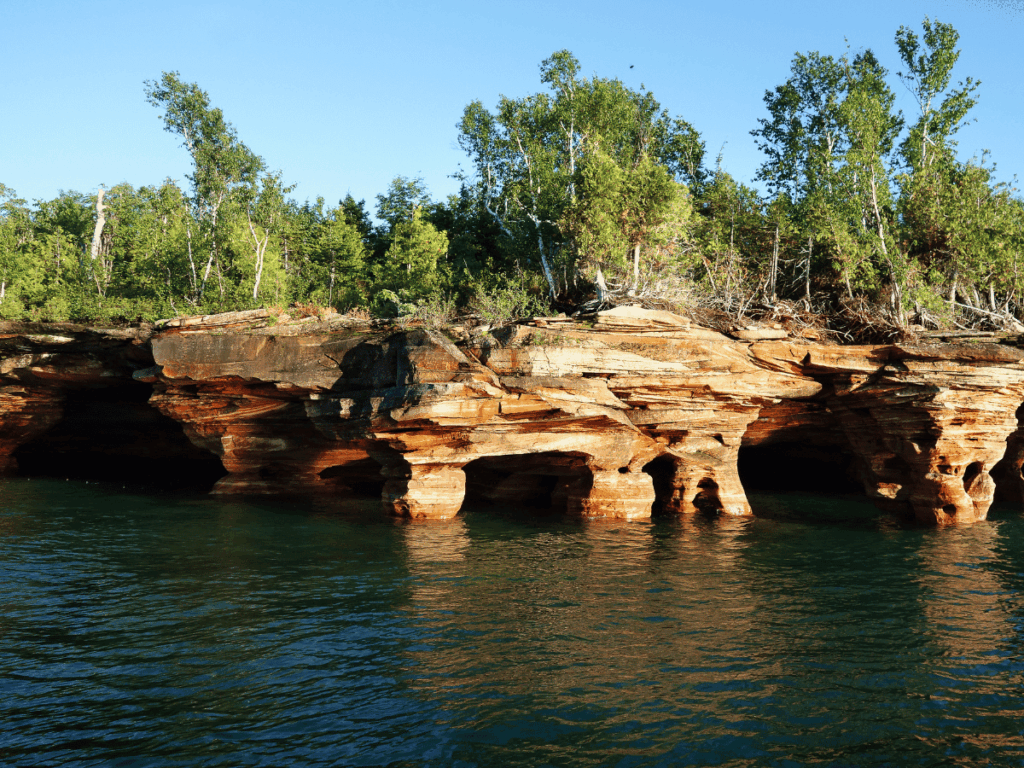
Twenty-one islands scattered across Lake Superior contain some of the most spectacular sea caves in the world.
Billions of years of waves and ice have carved elaborate arches, tunnels, and chambers into the red sandstone cliffs.
In winter, when Lake Superior freezes solid, these caves transform into a crystalline wonderland of massive ice formations and needle-like icicles.
The National Park Service calls them a fairyland, and they’re not exaggerating.
3. Channel Islands National Park, California
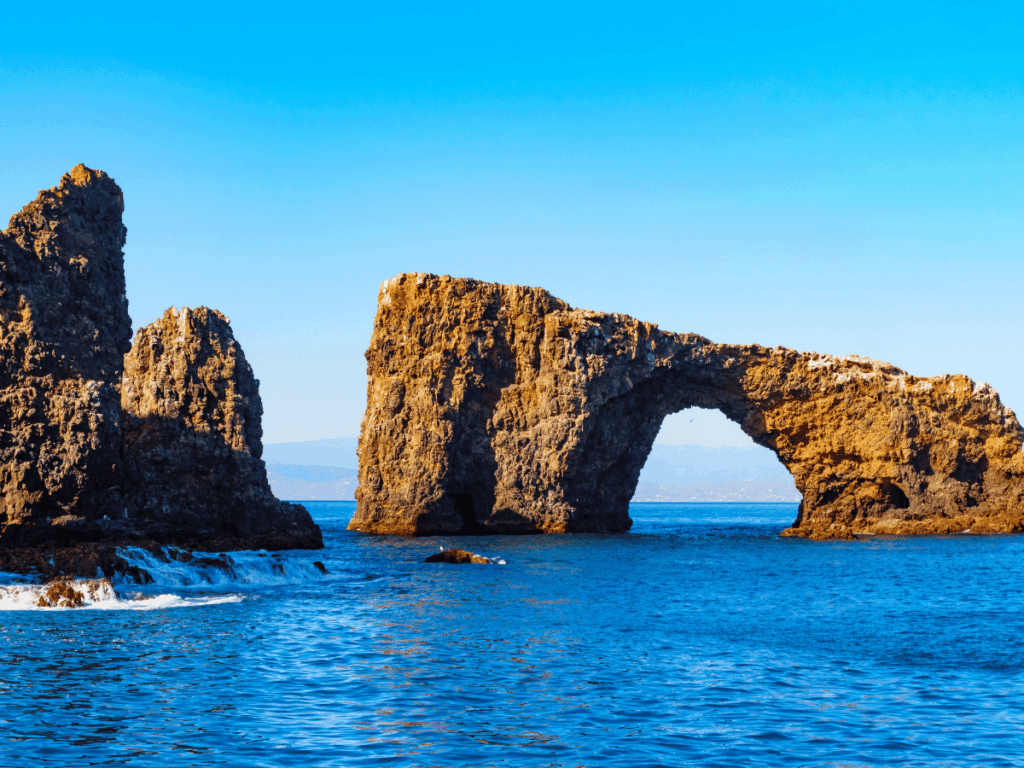
Just 25 miles off the coast of Los Angeles sits America’s version of the Galapagos Islands.
These five isolated islands are home to 145 species found nowhere else on Earth, including the island fox and the island scrub jay.
Archaeological evidence shows humans lived here at least 13,000 years ago, and the oldest human remains found in North America were discovered on Santa Rosa Island.
Most Californians have no idea this 250,000-acre park exists in their backyard.
4. Palouse Falls, Washington
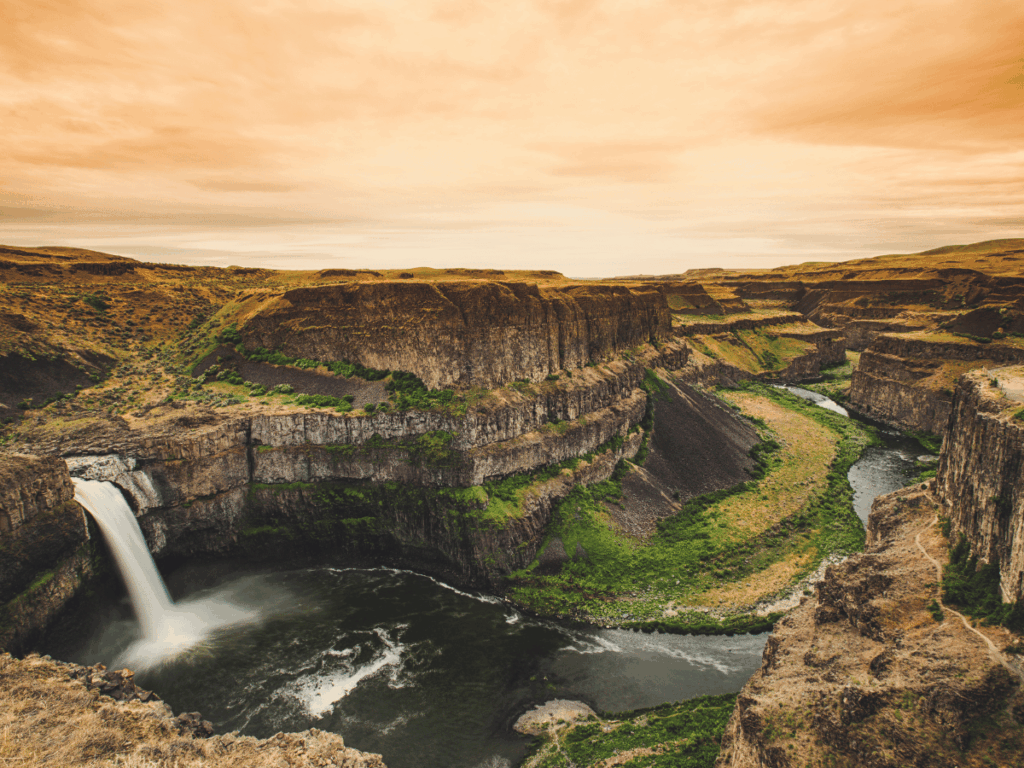
Washington’s official state waterfall drops nearly 200 feet into a 377-foot-deep canyon surrounded by basalt cliffs.
The Palouse Indians called it Aput Aput, meaning falling water, and considered it sacred.
The falls and canyon were carved by the Missoula Floods during the last Ice Age, catastrophic events so powerful they reshaped the entire Pacific Northwest.
In 2009, professional kayaker Tyler Bradt paddled over the falls, setting an unofficial world record for the highest waterfall ever run.
5. Sawtooth Mountains, Idaho
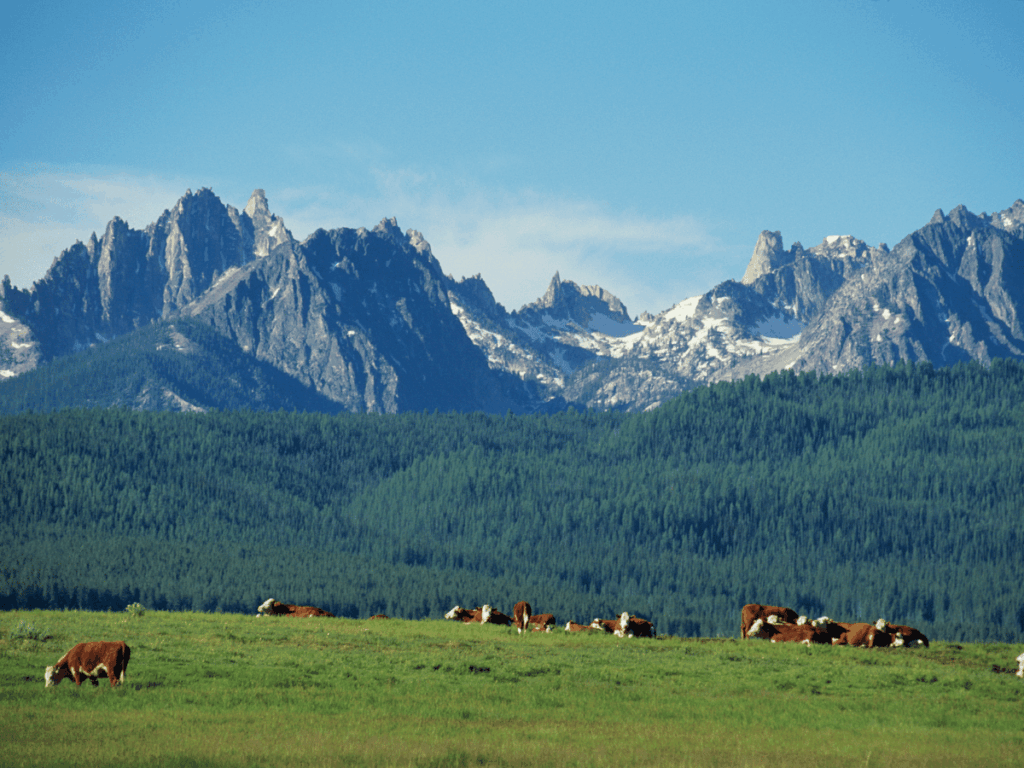
Idaho is the only western state without a national park, which has kept the stunning Sawtooth National Recreation Area relatively under the radar.
The 750,000-acre area contains over 700 miles of hiking trails, jagged alpine peaks, and crystal-clear lakes that rival anything in the Rockies.
The sight of sawtooth ridges reflecting off Redfish Lake or Alice Lake will make you wonder why you ever bothered with crowded national parks.
Hot springs scattered throughout the area let you soak your tired muscles after a long hike.
6. Custer State Park, South Dakota
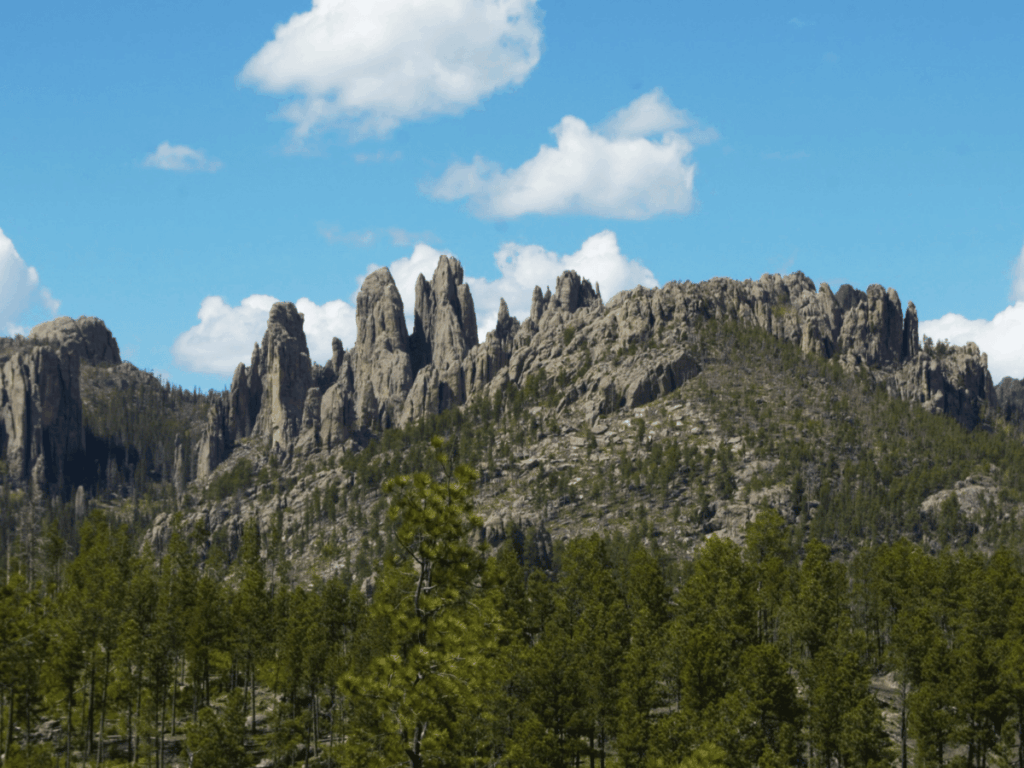
About 1,300 wild bison roam freely across 71,000 acres of rolling prairie and granite formations in the Black Hills.
The 18-mile Wildlife Loop Road regularly gets backed up by massive herds crossing the pavement, along with pronghorn, elk, and bighorn sheep.
Needles Highway threads through narrow tunnels and towering rock spires that make you feel like you’ve entered another dimension.
It’s one of the largest state parks in the country, and most people drive right past it on their way to Mount Rushmore.
7. Ausable Chasm, New York
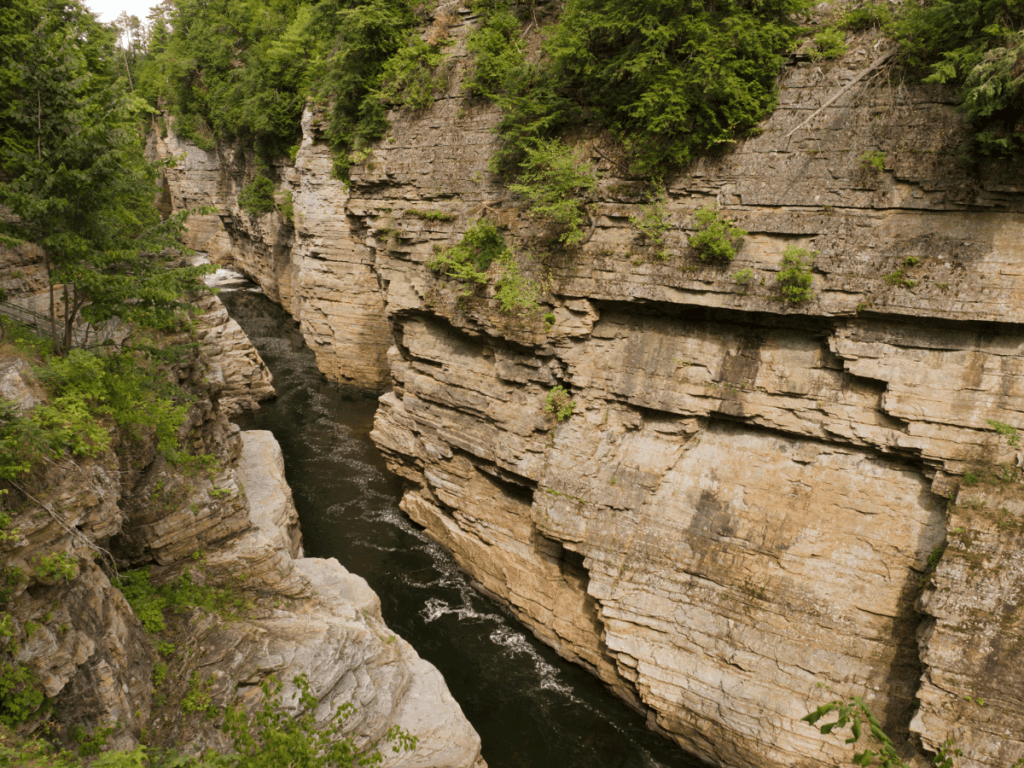
Known as the Grand Canyon of the Adirondacks, this sandstone gorge was carved by the Ausable River near Lake Champlain.
Wooden walkways and suspension bridges lead past roaring waterfalls and sheer rock walls that rise hundreds of feet.
You can hike along the rim, raft through the swirling currents, or tube through the chasm in summer.
In winter, guided tours lead through icy grottos that transform the already dramatic landscape into something otherworldly.
8. Glass Beach, California
For decades, residents of Fort Bragg dumped their trash off coastal cliffs into the Pacific Ocean.
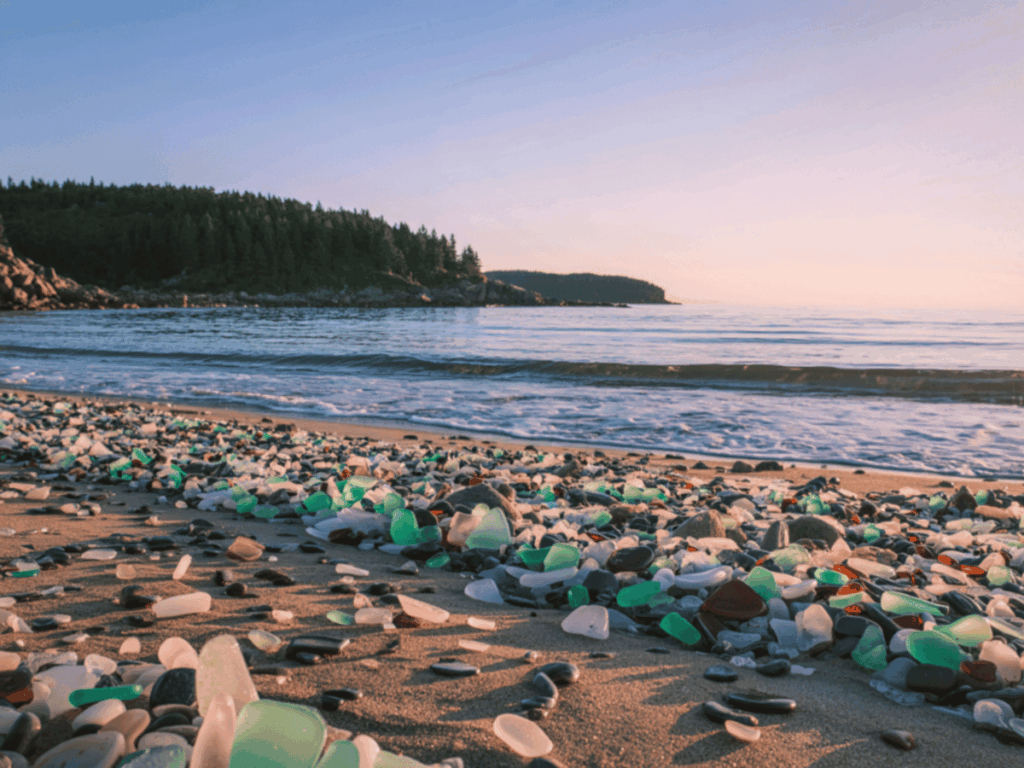
After the area was cleaned up in the 1960s, something unexpected happened: the ocean had tumbled and polished the broken glass into millions of smooth, colorful pebbles.
Now the beach glitters with sea glass in every color imaginable, transforming an environmental disaster into an accidental work of art.
It’s a reminder that nature has a way of making beauty from our worst mistakes.
9. Valley of Fire State Park, Nevada
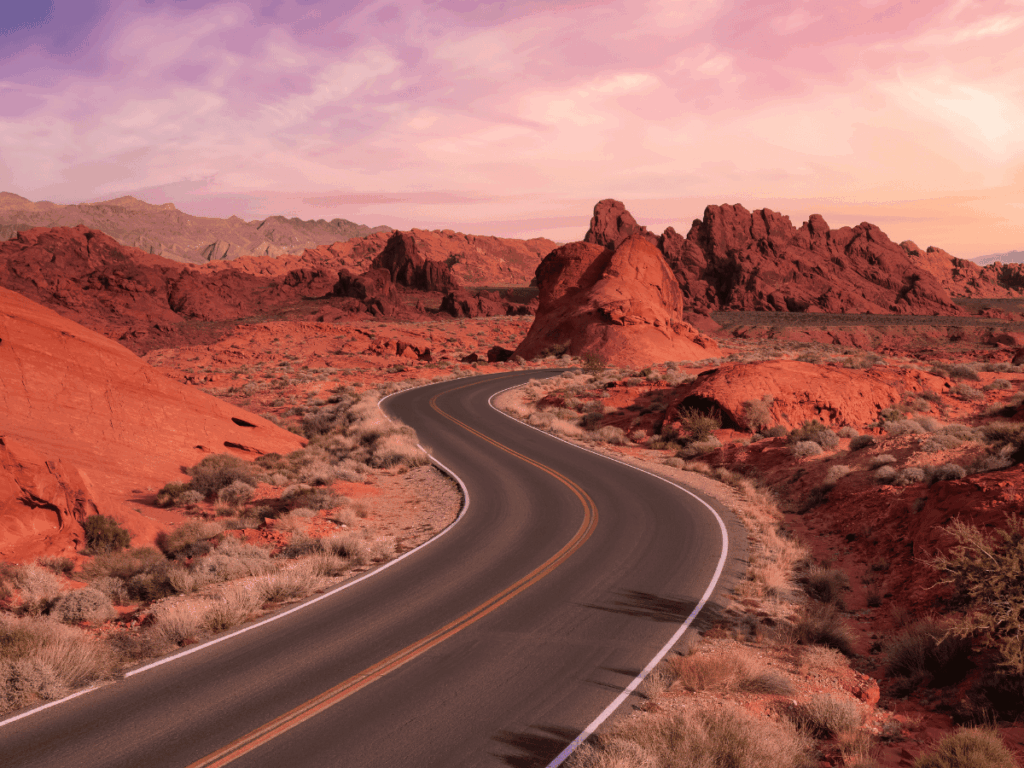
Just 50 miles from the Las Vegas Strip lies 40,000 acres of ancient red Aztec sandstone that looks like the planet Mars.
The Fire Wave formation has become an icon of the American Southwest, with swirling bands of red, pink, and white that seem to flow like liquid rock.
Petroglyphs here are over 2,000 years old, and petrified trees date back millions of years.
Most Vegas tourists never leave the strip, which means this geological masterpiece stays blissfully uncrowded.
10. Door County, Wisconsin
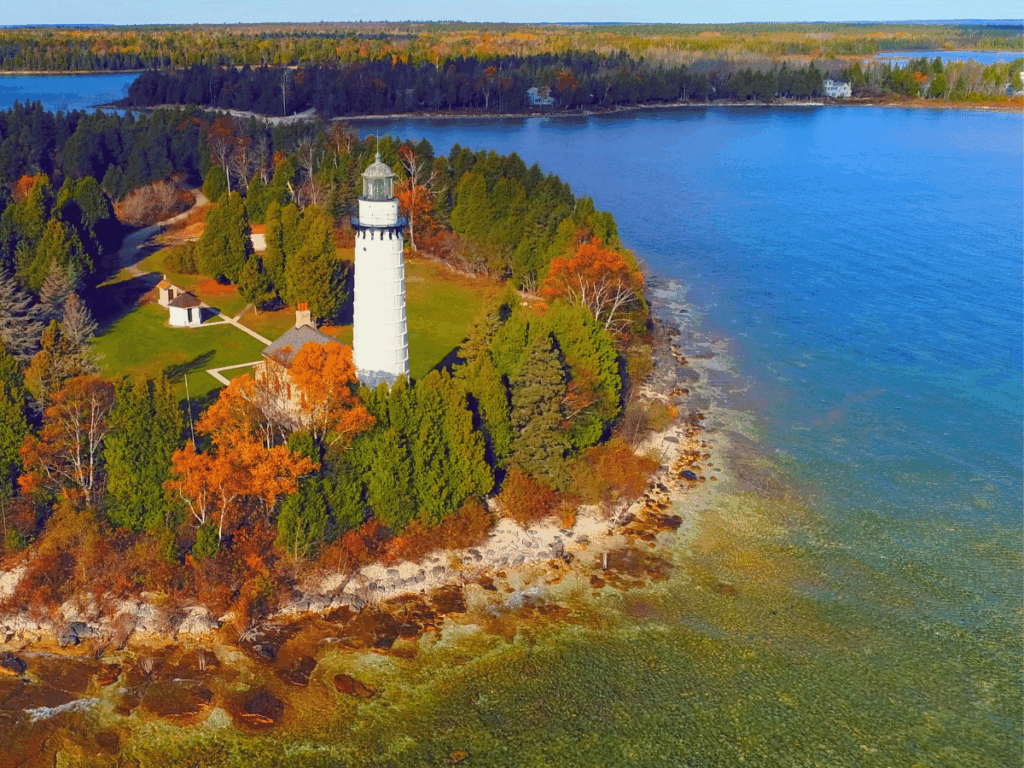
This 300-mile peninsula jutting into Lake Michigan is called the Cape Cod of the Midwest, and the comparison is earned.
Charming small towns, 11 lighthouses, cherry orchards, and stunning lakefront views dot the landscape.
In summer, the water turns Caribbean turquoise, and in winter, the ice caves along the shore rival anything in the north.
It’s been a secret getaway for Midwesterners for generations, but the rest of the country has barely heard of it.
11. Chiricahua National Monument, Arizona
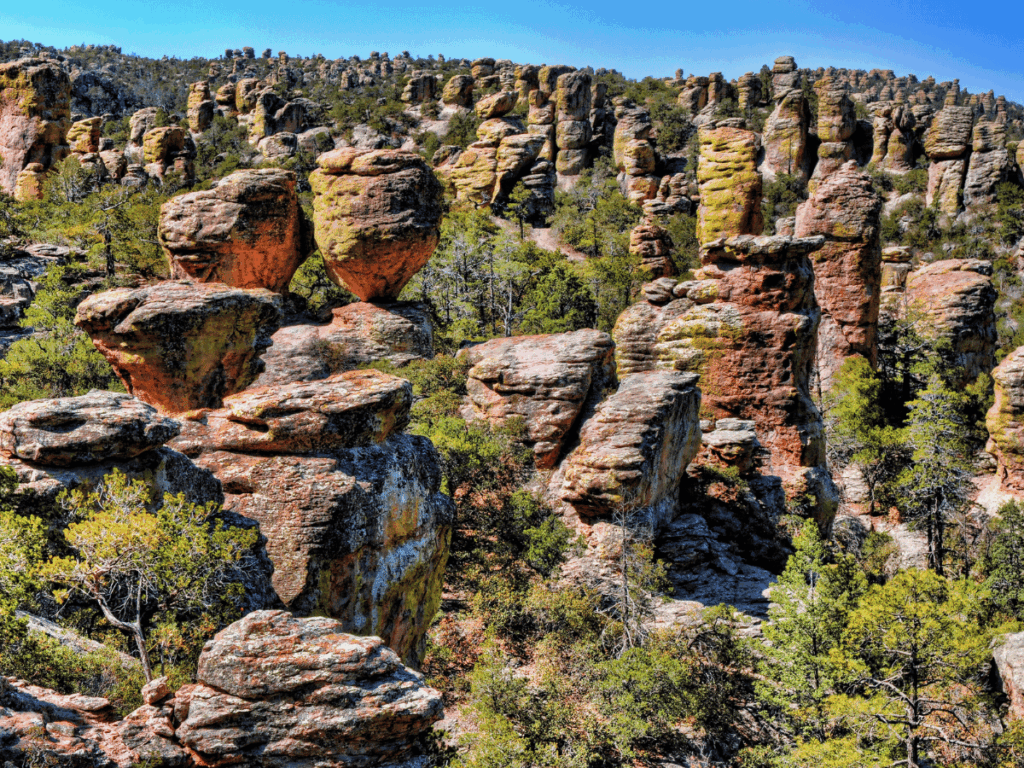
Thousands of towering rock pinnacles called hoodoos create a landscape that looks like a forest turned to stone.
The formations were created by volcanic eruptions 27 million years ago, and erosion has sculpted them into balanced rocks, spires, and columns.
Seventeen miles of hiking trails wind through this wonderland, and the area is one of the premier birding spots in the desert Southwest.
It’s been called the Land of Standing-Up Rocks by the Apache, who considered it sacred ground.
12. Congaree National Park, South Carolina
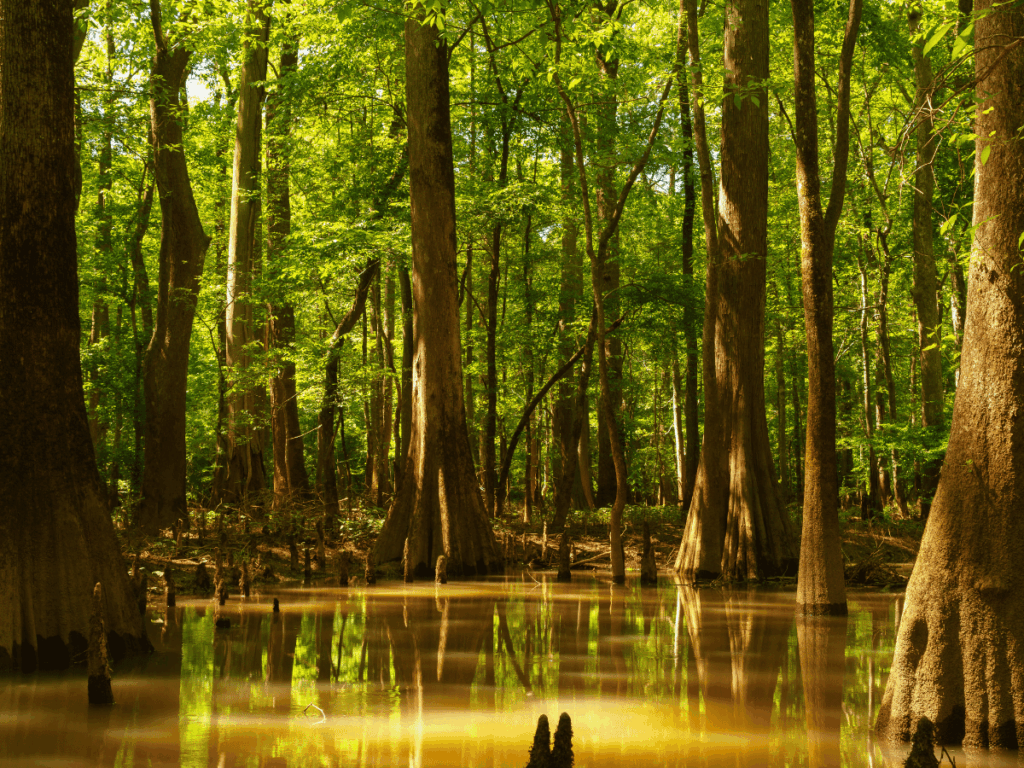
The largest intact expanse of old-growth bottomland hardwood forest remaining in the southeastern United States grows here.
Massive bald cypress trees rise from misty floodplains, some reaching heights that rival redwoods.
Elevated boardwalks let you explore without getting your feet wet, and the synchronous fireflies that light up the forest each May are one of nature’s most magical phenomena.
It’s one of the least visited national parks in the country, which is exactly what makes it special.
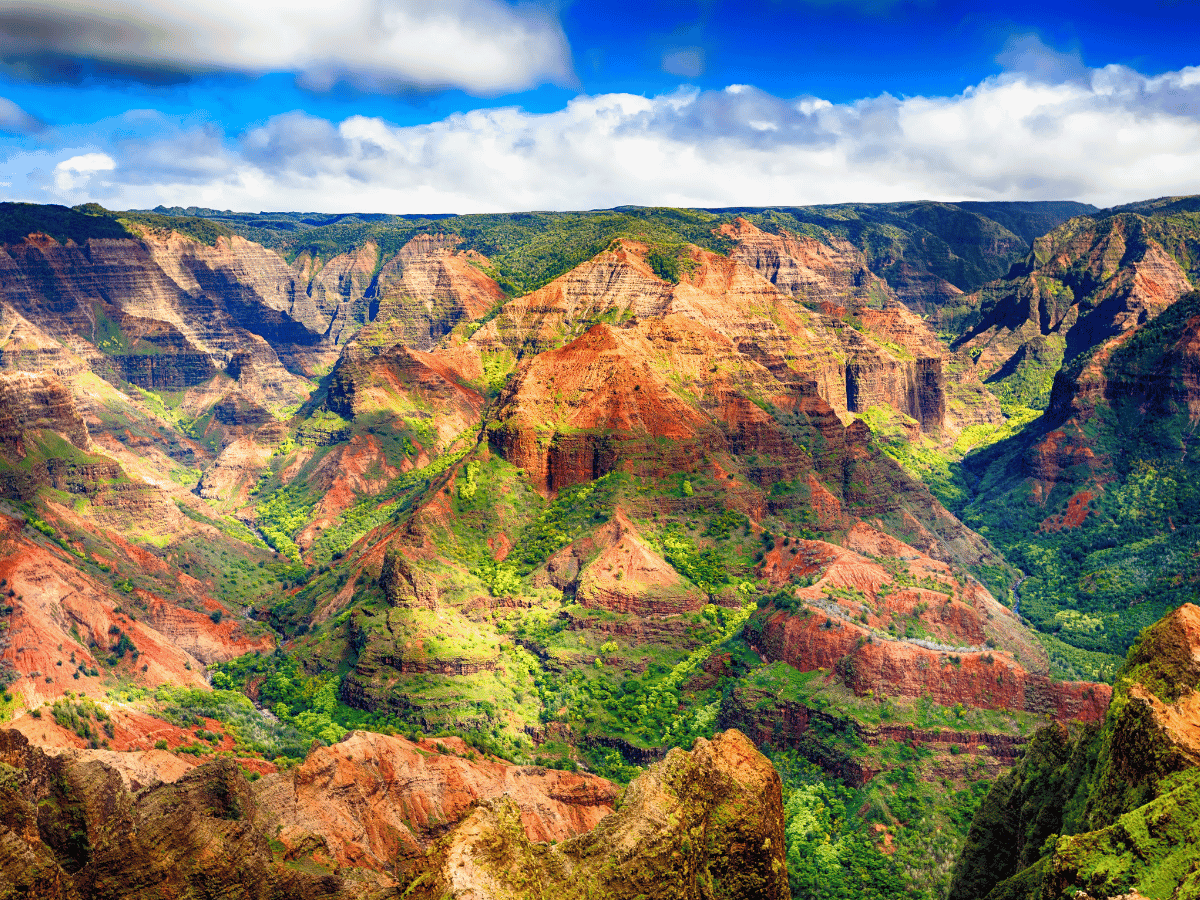
13. Waimea Canyon, Hawaii
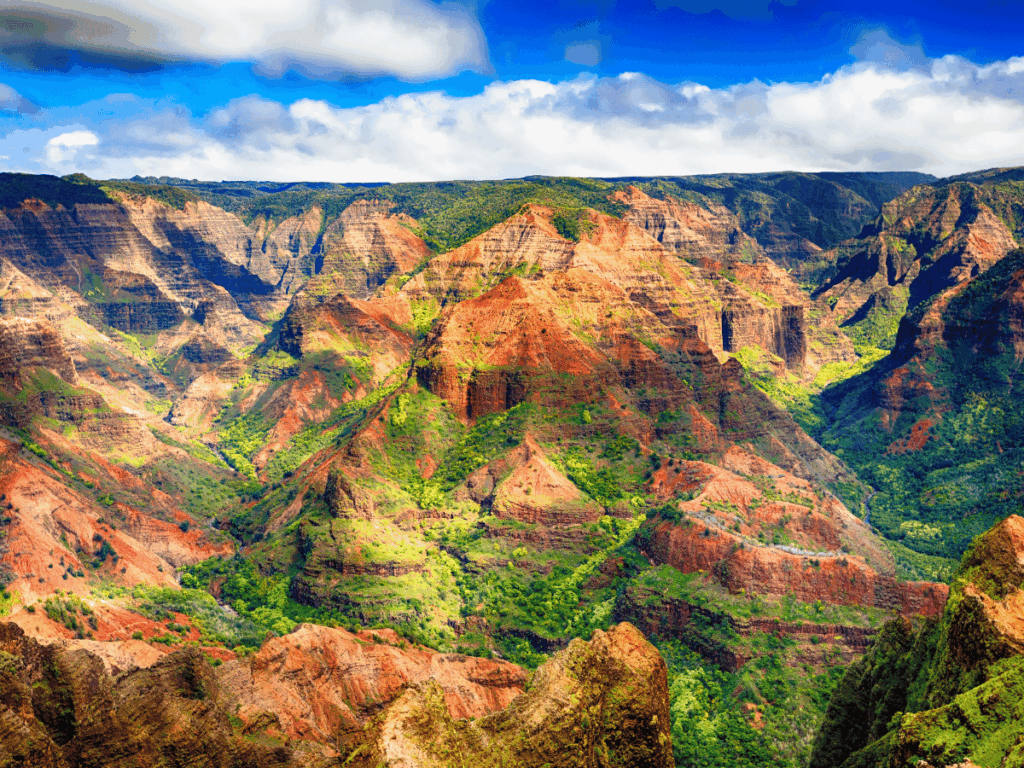
On the island of Kauai sits what Mark Twain reportedly called the Grand Canyon of the Pacific.
The canyon stretches 14 miles long and plunges over 3,600 feet deep, with walls painted in shades of red, brown, and green.
Unlike the Grand Canyon, this one is draped in tropical vegetation and punctuated by waterfalls.
Most Hawaii tourists stick to beaches, never realizing this geological wonder exists on one of the oldest Hawaiian islands.
14. Minnesota’s North Shore
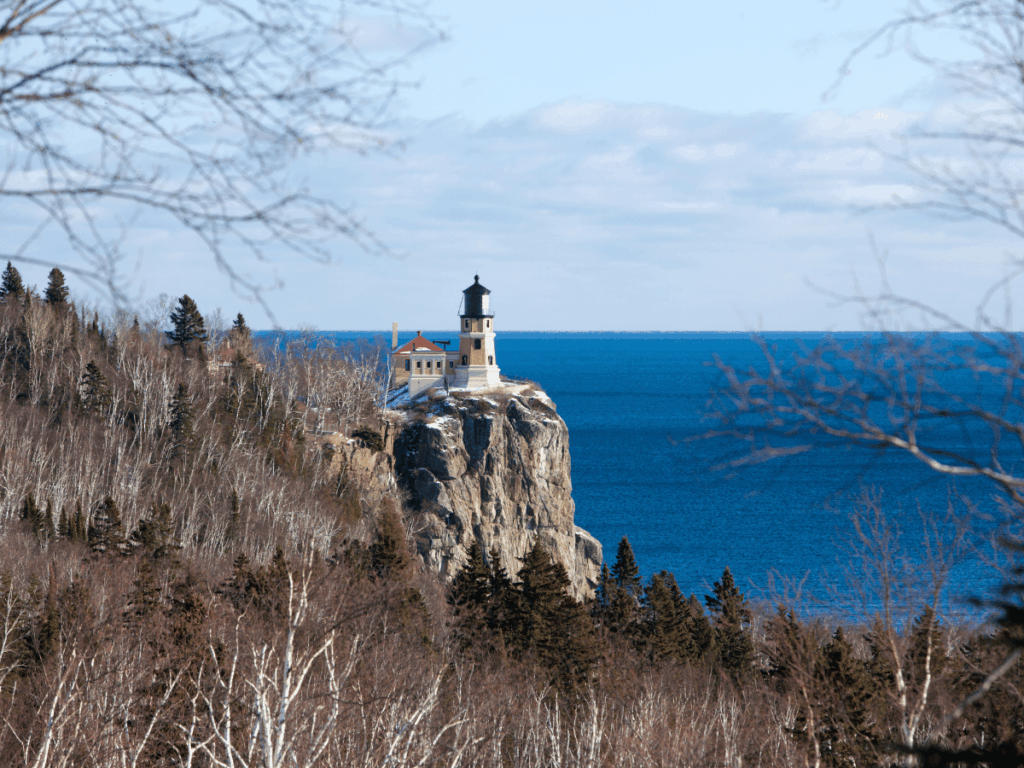
From Duluth to the Canadian border, the rugged Lake Superior coastline features towering cliffs, hidden waterfalls, and some of the darkest night skies in the lower 48.
Eight state parks line the shore, and small towns like Grand Marais offer the kind of quiet charm that’s increasingly hard to find.
The Split Rock Lighthouse, perched 130 feet above the lake, is one of the most photographed landmarks in the Midwest.
Fall colors here rival New England, without the crowds or the price tags.
Your geography teacher only had so much time.
But now you know better.
The real America is out there, waiting to blow your mind.