How to Actually Sleep on a Long Flight, According to Experts
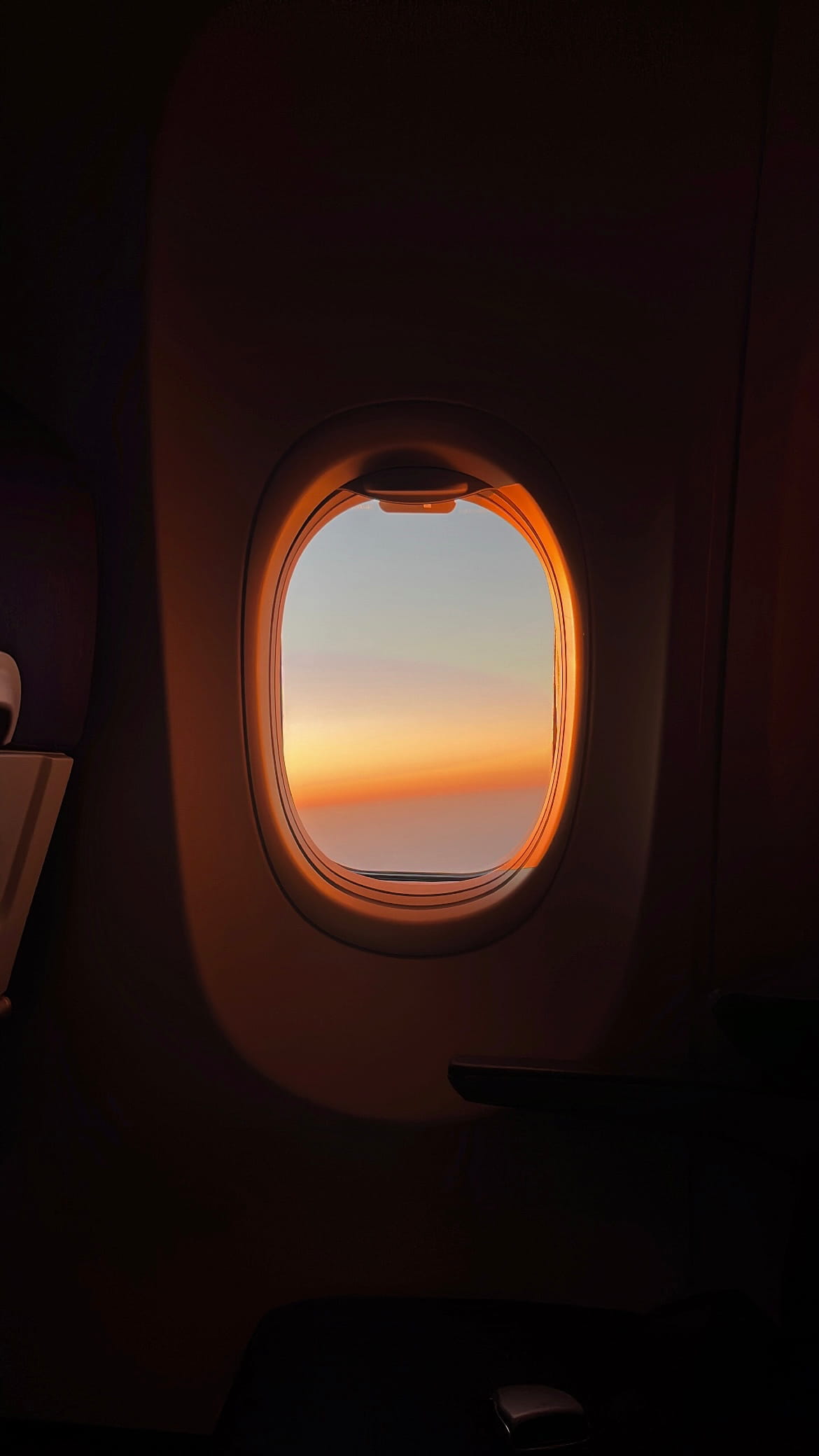
If you’ve ever landed from a long-haul flight feeling like you haven’t slept in days, you’re definitely not alone.
The truth is, sleeping on a plane—especially in economy—requires a bit of strategy, but it’s far from impossible.
Why Your Seat Choice Matters More Than You Think
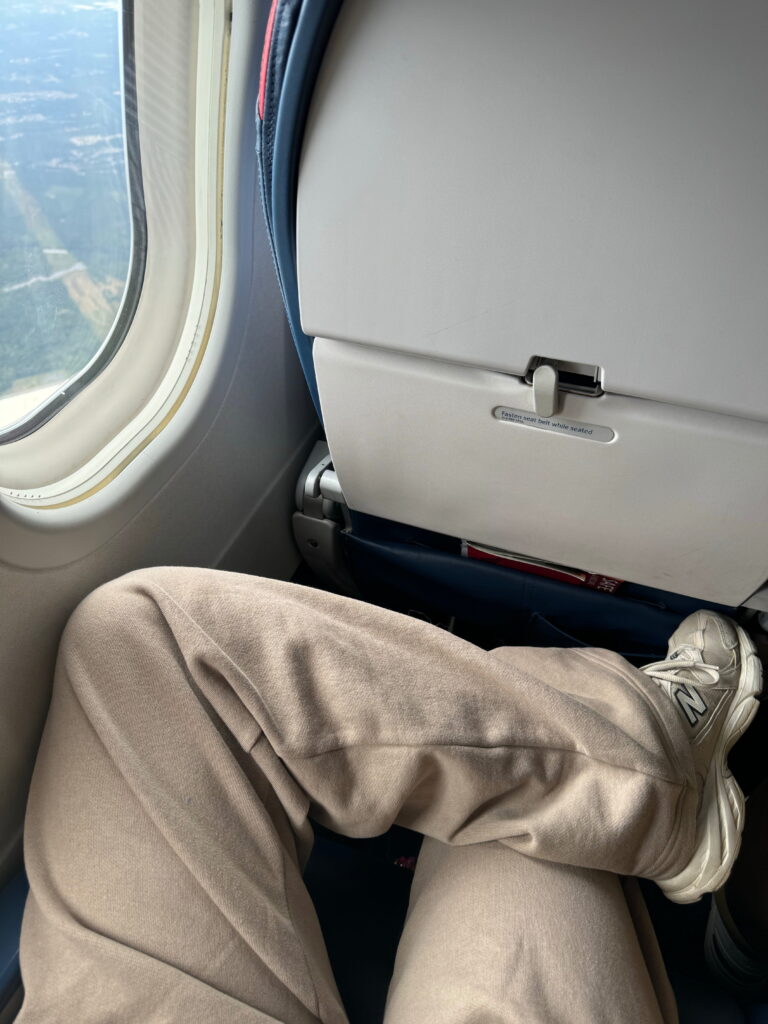
Your first move should happen before you even board: choose a window seat when booking your ticket.
A window seat gives you a solid surface to lean against and control over the window shade, allowing you to create a darker environment for sleep.
According to research from the Sleep Research Society, 73% of passengers report sleeping better in window seats compared to aisle or middle seats.
What If You’re Stuck in an Aisle Seat?
Don’t panic—you can still make it work.
Use the aisle armrest as extra support for your head or upper body while you sleep.
Just be prepared for occasional disruptions from passengers and crew moving through the cabin.
The Shoelace Trick Nobody Talks About
Here’s a tip you probably haven’t heard before: loosen your shoelaces before trying to fall asleep.
Keeping shoelaces too tight for hours can compress nerves and restrict blood circulation to your feet, causing them to fall asleep—and potentially waking you up mid-flight.
Even slip their shoes off entirely and wear compression socks instead, which helps with circulation without the tightness.
Stop Crossing Your Legs
It might feel comfortable at first, but crossing your legs limits blood flow and puts extra stress on your lower spine.
This can lead to discomfort that wakes you up or leaves you feeling stiff and sore when you land.
Keep both feet flat on the floor or use a footrest if one is available.
Why You Should Skip the Wine (and the Coffee)
As tempting as it might be to celebrate with a glass of wine or calm your nerves with a cocktail, alcohol actually makes your sleep worse.
According to the Sleep Foundation, drinking alcohol reduces the amount of time you spend in the REM stage of sleep, which means you’ll likely wake up feeling more tired—not less.
Caffeine is another culprit that can sabotage your in-flight rest.
Stick with water instead—it also helps combat the dehydrating effects of cabin air.
Build Your In-Flight Sleep Kit
Don’t underestimate the power of a few simple accessories.
An eye mask blocks out cabin lights and screen glare from other passengers.
A supportive travel pillow keeps your neck from falling into awkward positions.
Noise-canceling headphones or earplugs can reduce cabin noise by up to 30 decibels, making it much easier to drift off.
Together, these items can transform your cramped seat into something close to a sleep sanctuary.
Why Flying East Is Harder on Your Body
Here’s something most travelers don’t realize: the direction you fly actually affects how well you sleep—and how rough your jet lag will be.
According to the Cleveland Clinic, flying eastward typically causes more severe jet lag symptoms than flying west.
The Science Behind It
The reason comes down to biology: your internal body clock (called your circadian rhythm) naturally runs slightly longer than 24 hours.
This means your body finds it easier to stay up a little later than to force itself to fall asleep earlier—which is exactly what eastward travel demands.
Research published in the National Library of Medicine found that travelers adjust about 92 minutes per day after westward flights, but only 57 minutes per day after flying east.
What This Means for Your Trip
If you’re flying from New York to London, expect the adjustment to take longer than a return trip in the opposite direction.
The takeaway: prioritize sleep on eastbound red-eyes, and be extra patient with yourself when you land.
Start Adjusting Your Sleep Before You Leave
One of the most effective—but often overlooked—strategies for sleeping on a plane actually starts days before your flight.
According to sleep specialists at the University of Utah Health, gradually shifting your bedtime before departure can help your body adjust faster.
Traveling East? Go to Bed Earlier
Try going to bed 30 minutes earlier each night for a few days until you’ve moved your bedtime up by an hour or two.
This gives your body a head start on adjusting to the time zone you’re heading into.
Traveling West? Stay Up Later
Do the opposite—push your bedtime 30 minutes later each night leading up to your trip.
Since your body naturally wants to stay up later anyway, this adjustment tends to feel easier.
Don’t Show Up Already Exhausted
The Sleep Foundation notes that getting quality sleep before your trip is crucial.
Showing up to the airport already sleep-deprived will only make jet lag worse and make it harder to rest on the plane.
And if you’re having trouble falling asleep earlier, a melatonin supplement can help nudge your body in the right direction.