The Airplane Seat Debate Is Over: Experts Finally Weigh In
Your seat choice can make or break your flight—and the vacation that follows.
But here’s the thing: there’s no single “best” seat because it all depends on what matters most to you.
We asked flight attendants, sleep experts, and frequent flyers who log 70+ flights a year to settle the debate once and for all.
If You Want Peace and Quiet
According to a sleep expert, you should skip the rows near the bathrooms (that’s where people congregate and chat) and aim for seats aligned with the wings instead.
Bonus tip: Bringing noise-canceling headphones makes any seat feel more peaceful, but pairing them with a strategic seat choice is the real move.
If You’re Racing to Catch a Connection
Flight attendants recommend sitting as close to the front as possible so you can be one of the first passengers off the plane—business class guarantees this if you’re willing to splurge.
Here’s something most people don’t think about: sitting on the left side of the plane can also speed up your exit since aircraft doors typically open on that side.
If You Hate People Kicking Your Seat
One travel writer who takes over 70 flights a year swears by the very last row—nobody’s behind you, you won’t annoy anyone by not reclining, and there’s a decent chance the middle seat stays empty since most people rush to book up front.
The trade-off: you’ll be last to deplane, and the seats sometimes don’t recline, so weigh your priorities.
If You’re a Sleeper
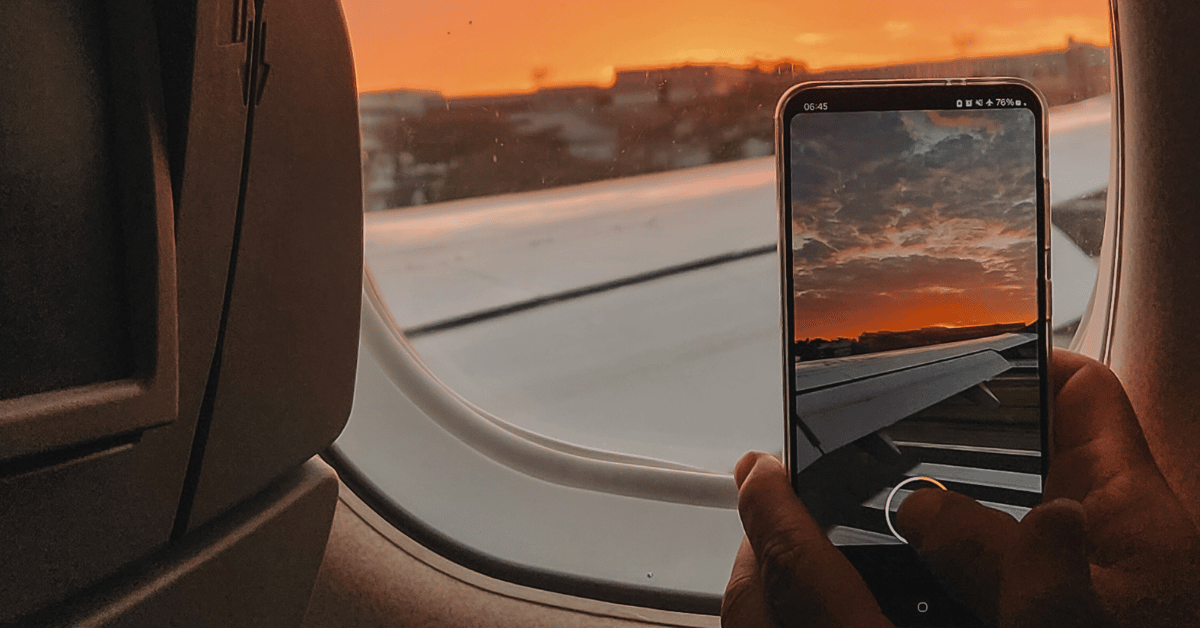
A senior editor at a travel points site says window seats give you a wall to lean against, which makes napping way easier than trying to balance your head in an aisle seat.
Pro tip: Pair your window seat with a good travel pillow and an eye mask—your neck will thank you, and you won’t wake up every time the drink cart rolls by.
If You Hydrate Like a Champion
A veteran flight attendant recommends aisle seats because they let you slip out for bathroom breaks without climbing over strangers—a must on long-haul flights.
This is also the best pick if you like to stretch your legs periodically, which doctors say you should do every hour or two to prevent stiffness and reduce the risk of deep vein thrombosis on flights over six hours.
If You’re Tall
According to a travel industry executive, exit rows are your best friend thanks to that glorious extra legroom.
Just know that exit row seats come with responsibilities—you’ll need to be able to assist in an emergency, and you can’t have bags at your feet during takeoff and landing, so keep that in mind if you like easy access to your stuff.
If Turbulence Makes You Nervous
Experts confirm that seats over the wings experience the least amount of movement, so that’s where you want to be if you’re a white-knuckle flyer.
Think of the plane like a seesaw—the middle stays the most stable while the front and back move more dramatically.
One More Thing: When Should You Pick Your Seat?
Don’t wait until check-in—seat maps fill up fast, especially for popular spots like exit rows and windows toward the front.
If you’re flying with a budget airline that charges for seat selection, it might still be worth paying a few extra dollars for the right spot rather than gambling on what’s left.
Apps like SeatGuru can show you which specific seats have extra legroom, power outlets, or are near the galley (avoid those if you want quiet).
The Bottom Line
There’s no universally perfect seat—but there’s a perfect seat for you depending on what you value most.
Figure out your top priority (sleep, legroom, quick exits, or calm vibes) and book accordingly.