4 “Quiet Parks” Most Americans Have No Idea Exist
You’ve heard of national parks, state parks, maybe even dark sky parks—but quiet parks?
They’re a real thing, and they might be exactly what your overstimulated brain needs.
Quiet Parks International is a nonprofit that certifies the world’s least noise-polluted places, measuring spots where human-made sounds like traffic, planes, and machinery are virtually nonexistent.
These aren’t silent—birds still sing, wind still blows—but they’re free from the constant audio assault of modern life.
Here are five certified quiet parks in the U.S. that most people have never heard of.
1. Anza-Borrego Desert State Park, California
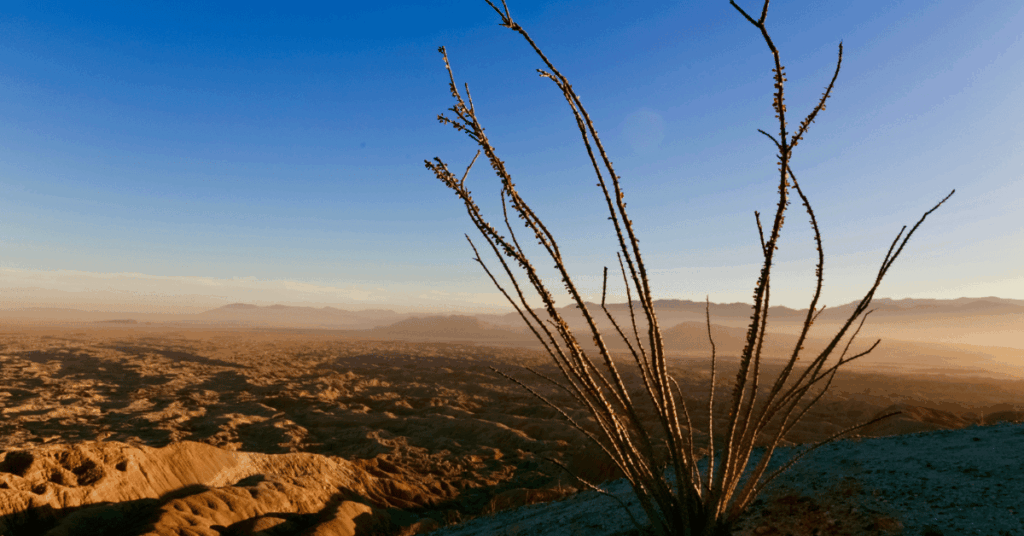
Why it’s special: At 600,000 acres, California’s largest state park is so massive you can wander for days without seeing another person.
How quiet: Sound levels hit as low as 26 decibels—about as loud as a ticking watch.
Don’t miss: The wildflower super blooms (after rainy winters), endangered bighorn sheep, and some of Southern California’s best stargazing.
Best time to visit: October through April—summer temperatures regularly top 100°F.
2. Boundary Waters Canoe Area Wilderness, Minnesota
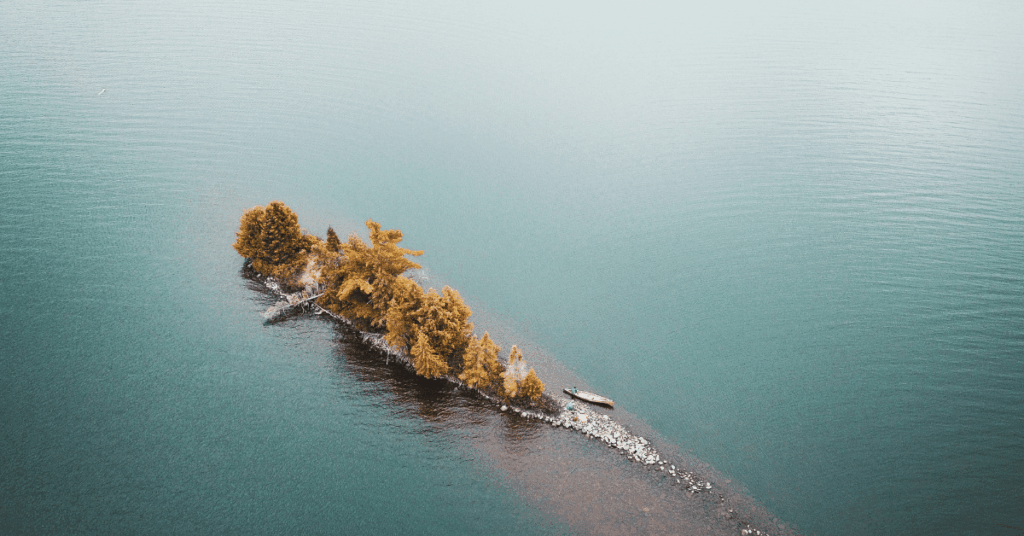
Why it’s special: One million acres, over 1,200 miles of canoe routes, more than 2,000 campsites, and absolutely zero motorized vehicles allowed.
How quiet: The only sounds are paddles dipping into water, loons calling, and wind through the pines.
Don’t miss: Multi-day canoe camping trips that take you deep into roadless wilderness.
Best time to visit: Late spring through early fall for paddling; winter for a truly extreme (and silent) experience.
3. Mount Tabor Park, Portland, Oregon
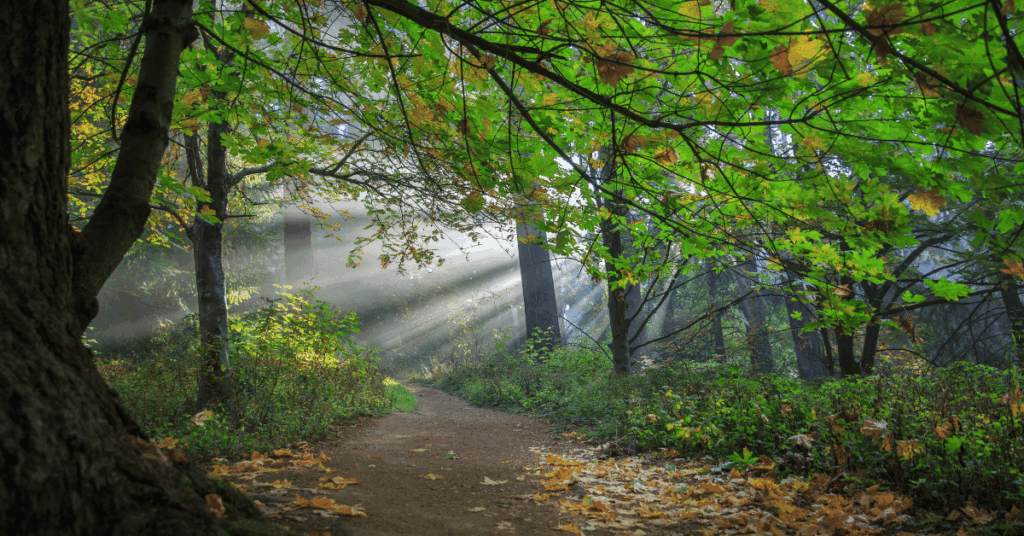
Why it’s special: It’s the first certified “Urban Quiet Park” in the United States—proof that pockets of stillness can exist even inside a city.
How quiet: Nestled on an extinct volcano and blanketed with mature Douglas firs, it blocks out much of Portland’s urban noise.
Don’t miss: Skyline views that make it a favorite for photographers, plus reservoirs and peaceful walking paths.
Best time to visit: Year-round, though spring and fall offer the most comfortable weather.
4. Niobrara National Scenic River, Nebraska
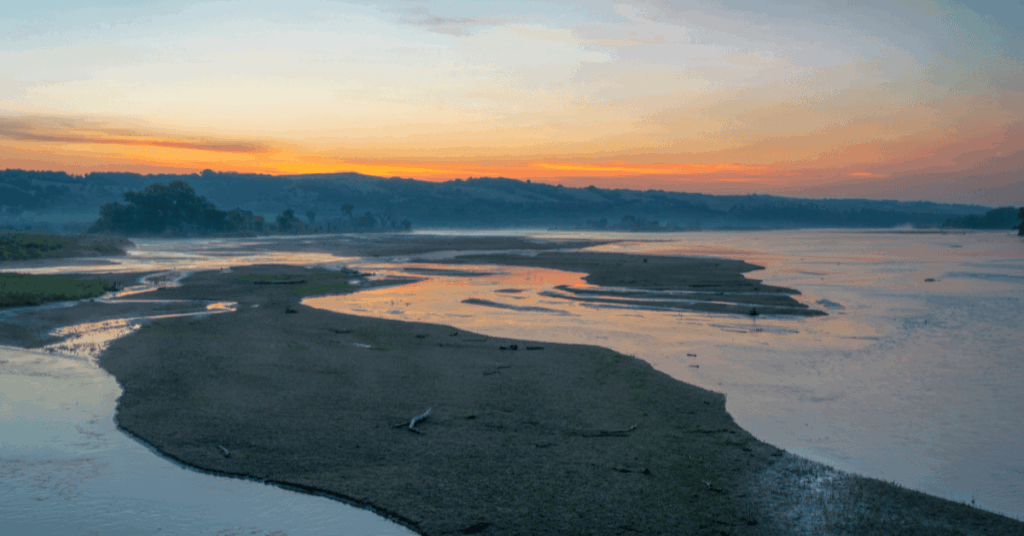
Why it’s special: This 76-mile stretch was the first designated “Quiet Trail” in the U.S., winding through six different ecosystems.
How quiet: No motorized watercraft allowed—visitors float downstream in canoes, kayaks, or tubes.
Don’t miss: The unusual convergence of ecosystems, where eastern woodlands meet western pine forests, sandhills, and more.
Best time to visit: Late spring through early fall for floating; the river can be too shallow in late summer during dry years.
Why Quiet Parks Matter
Research increasingly shows that noise pollution isn’t just annoying—it raises stress hormones, disrupts sleep, and contributes to cardiovascular issues.
These parks offer something that’s becoming genuinely rare: a chance to let your nervous system calm down.
You don’t have to meditate, journal, or do anything productive—just existing in the quiet is enough.