If You’ve Only Seen America From Cities, You’re Missing These 15 Wild Landscapes
New York has its skyline.
Los Angeles has its beaches.
Chicago has the architecture, San Francisco has the hills.
But America’s cities, as spectacular as they are, only show you one version of this country.
The real show is happening somewhere else entirely.
Out past the suburbs, beyond the interstates, in places where the landscape makes you question if you’re still on Earth…
1. Bisti Badlands — New Mexico
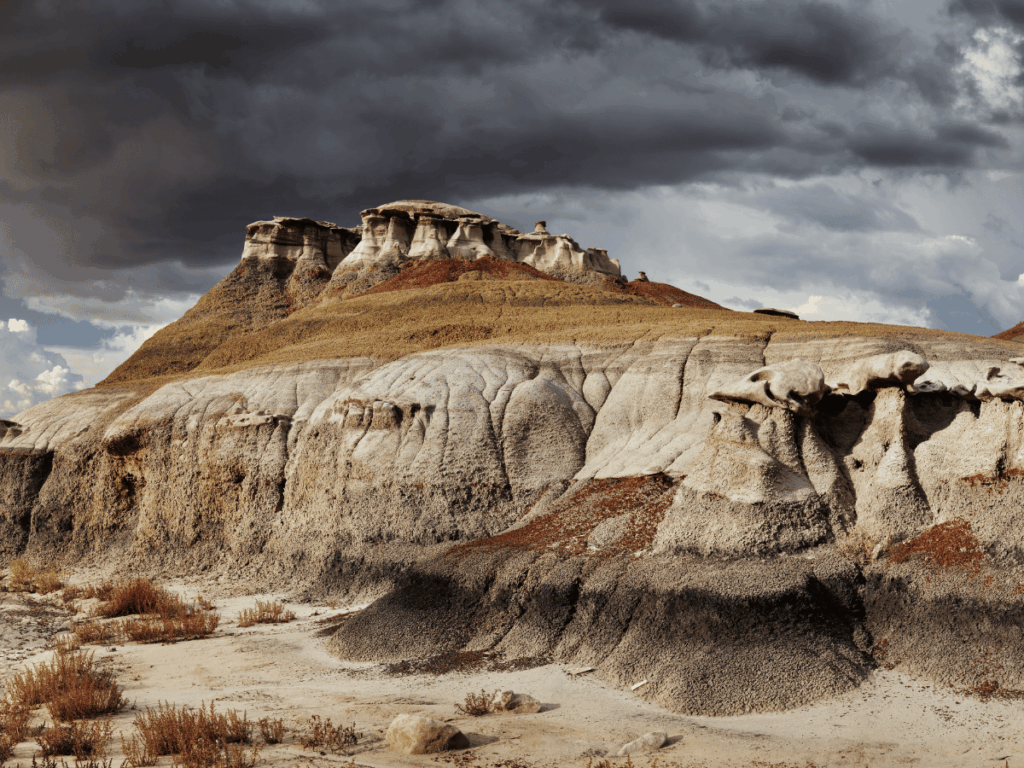
Bisti looks like the surface of Mars dropped into northwestern New Mexico.
There are no marked trails, no visitor centers, no gift shops, just 45,000 acres of wind-sculpted hoodoos, petrified wood, and fossilized dinosaur bones.
The “Cracked Eggs” formations look like giant spheres split open to reveal colorful insides.
Come at sunrise or sunset, and the whole landscape glows in shades of rust and gold.
2. The Wave — Arizona/Utah Border
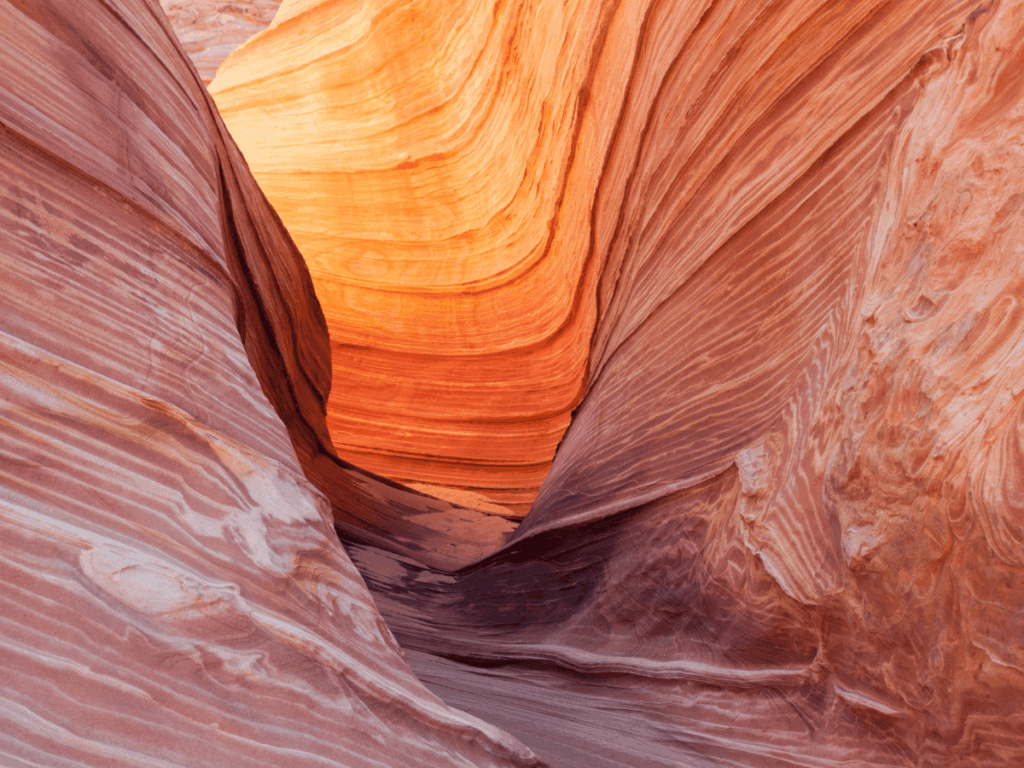
The Wave is a swirling sandstone formation in the Paria Canyon-Vermillion Cliffs Wilderness that looks like it was painted by water over millions of years.
Only 64 people per day can visit, and permits are awarded by lottery months in advance.
The six-mile round-trip hike has no marked trail, which adds to the sense of discovery.
If you win the lottery, you’ve won access to one of the most photographed landscapes in America.
3. Hoh Rainforest — Washington
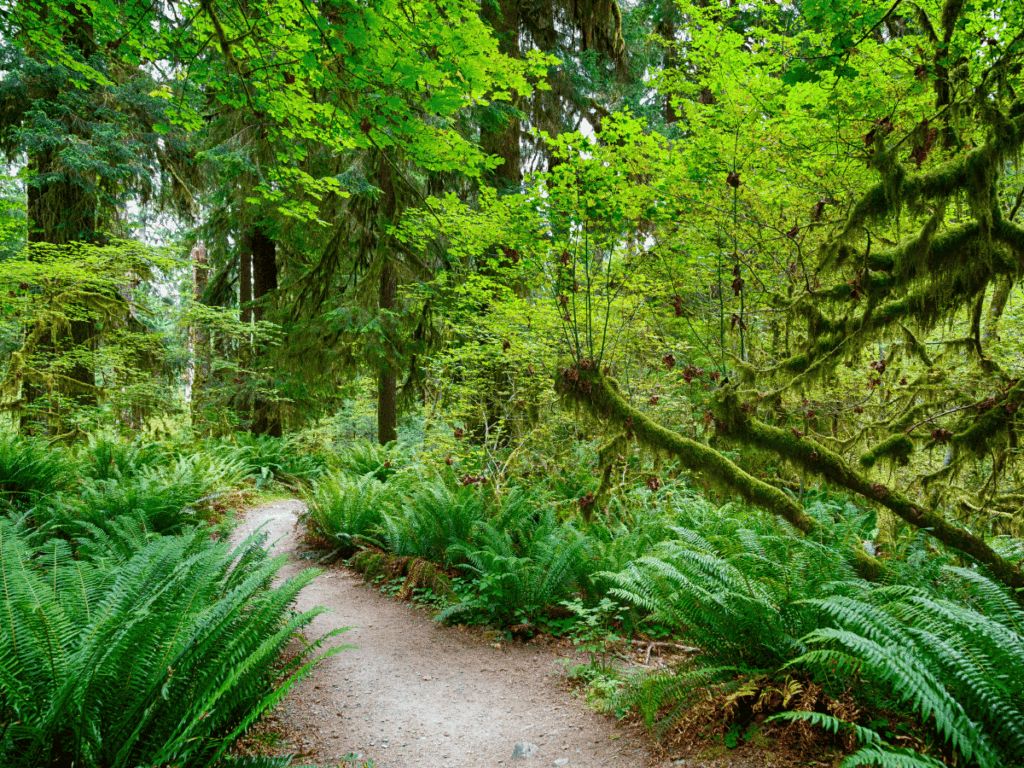
On the Olympic Peninsula, the Hoh Rainforest receives up to 14 feet of rain per year, creating a temperate jungle unlike anything else in the continental U.S.
Sitka spruce and western hemlock drip with moss, ferns carpet the forest floor, and filtered light creates an otherworldly glow.
The Hall of Mosses Trail is just under a mile and feels like walking through a fantasy novel.
This is what the Pacific Northwest looked like before humans arrived.
4. Badlands National Park — South Dakota
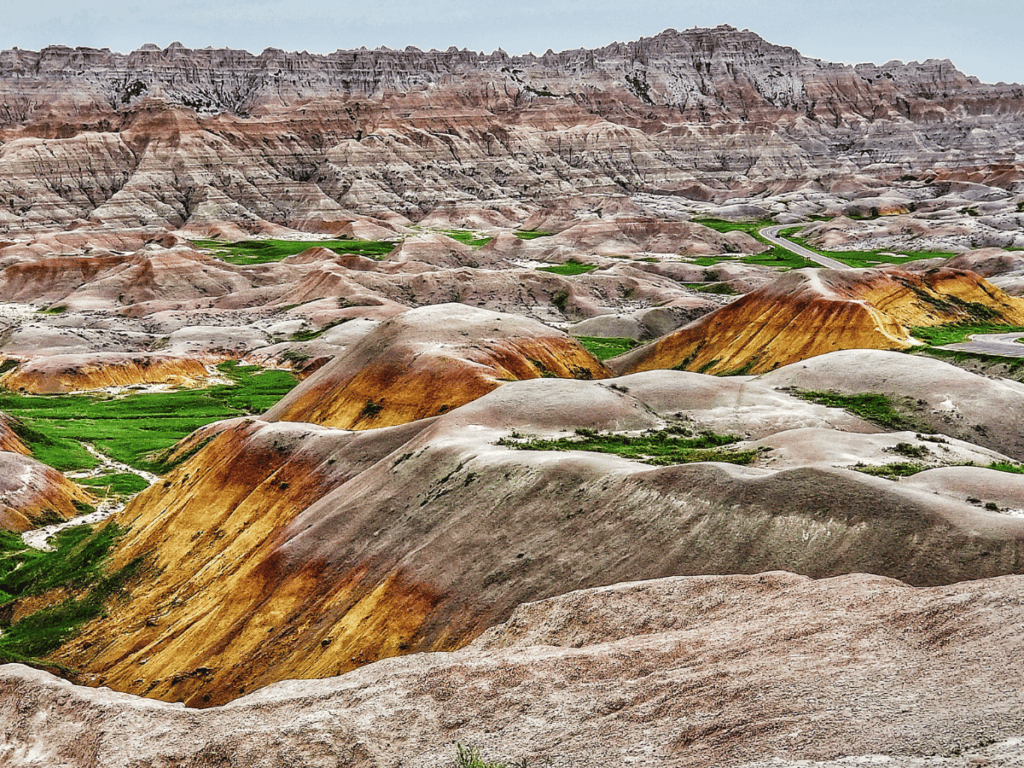
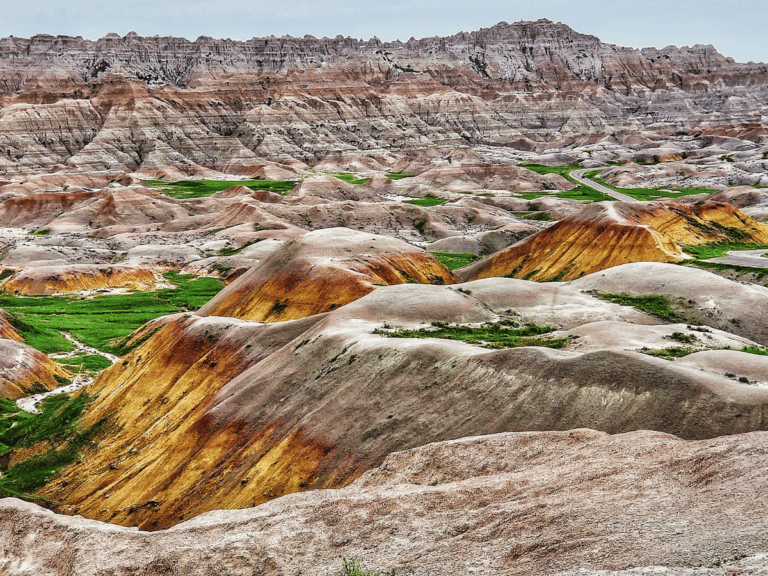
The Badlands stretch across 244,000 acres of striped buttes, rugged spires, and prairie grassland.
Bighorn sheep and bison roam freely, and the rock formations shift through a rainbow of colors depending on the time of day.
The Badlands Loop Road takes you past the most dramatic viewpoints, but the Door Trail boardwalk gets you into the heart of it.
Most people pass through in an afternoon, but this place deserves longer.
5. Canyonlands National Park — Utah
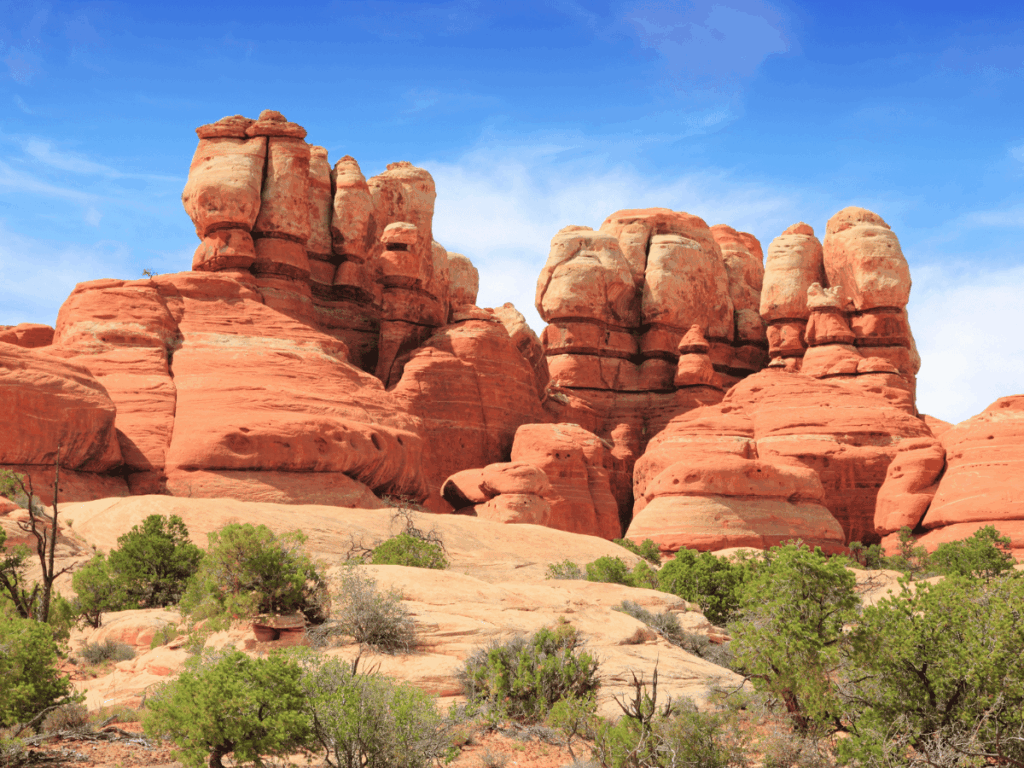
Canyonlands gets a fraction of the visitors that nearby Arches receives, which makes no sense.
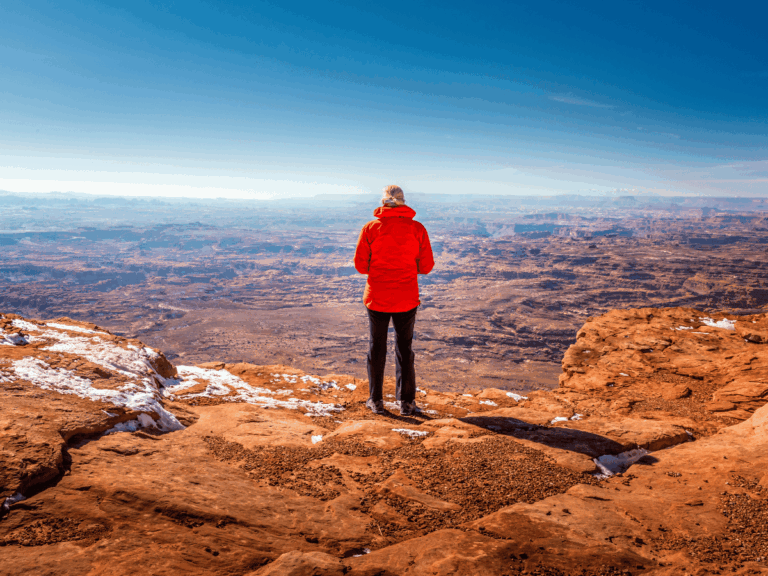
The Island in the Sky district offers overlooks that rival the Grand Canyon, with thousand-foot drops into carved canyons.
The Needles district feels like hiking through a sculpture garden of red rock spires.
If you only visit one Utah national park, make it this one.
6. White Sands National Park — New Mexico
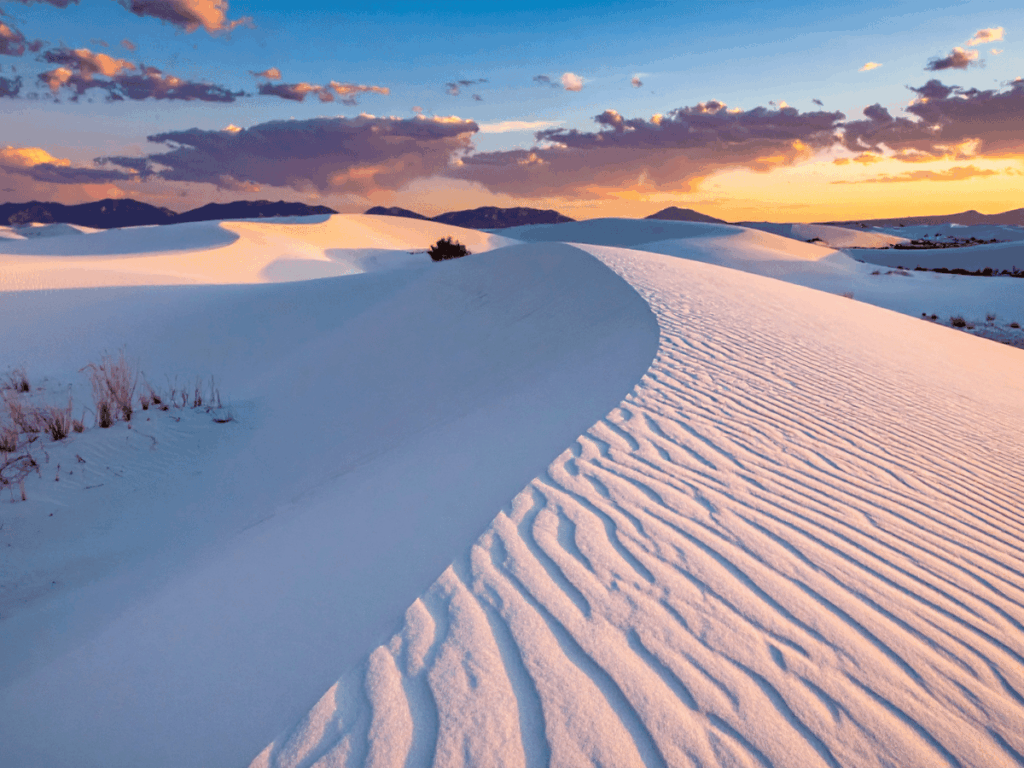
White Sands is 275 square miles of pure gypsum dunes, the largest gypsum dune field on Earth.
The sand is so white it looks like snow, and the dunes shift constantly in the desert wind.
Bring a sled and slide down the slopes, or time your visit for a full moon when the dunes glow silver.
It feels like landing on another planet, because essentially, you have.
7. Mendenhall Ice Caves — Alaska
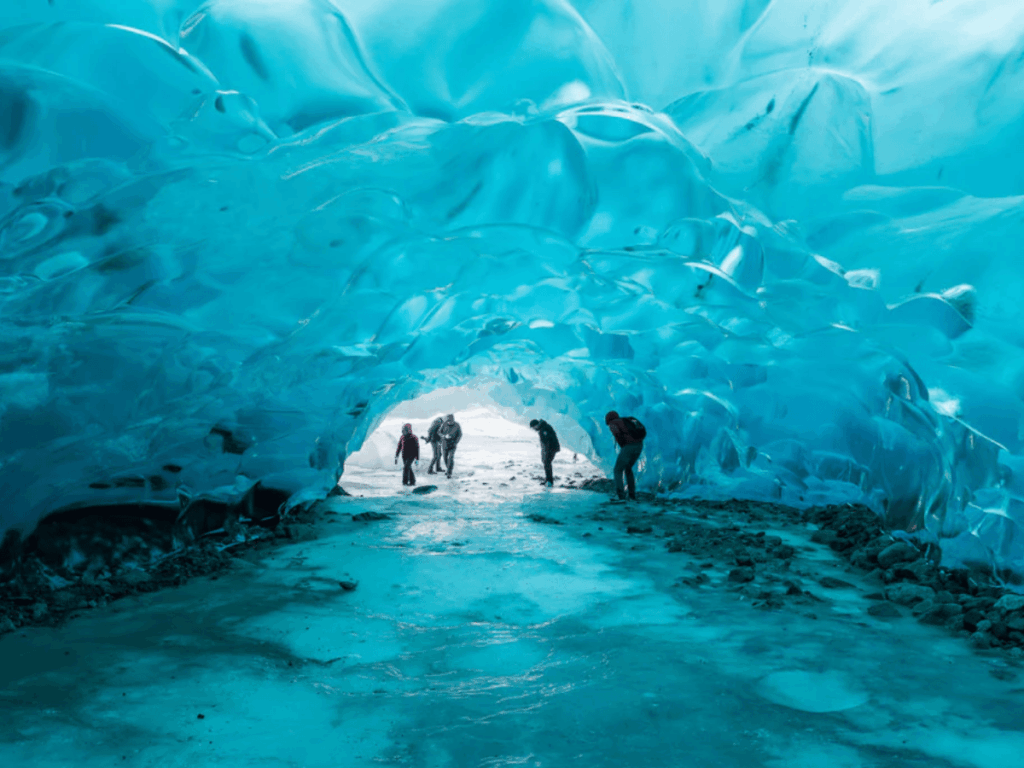
Inside the Mendenhall Glacier near Juneau, these blue ice caves look like something from a dream.
Getting there requires kayaking across the lake and hiking across the glacier, which keeps the crowds down.
The caves are receding fast due to climate change, so this landscape may not exist much longer.
See it now, while you still can.
8. Na Pali Coast — Hawaii
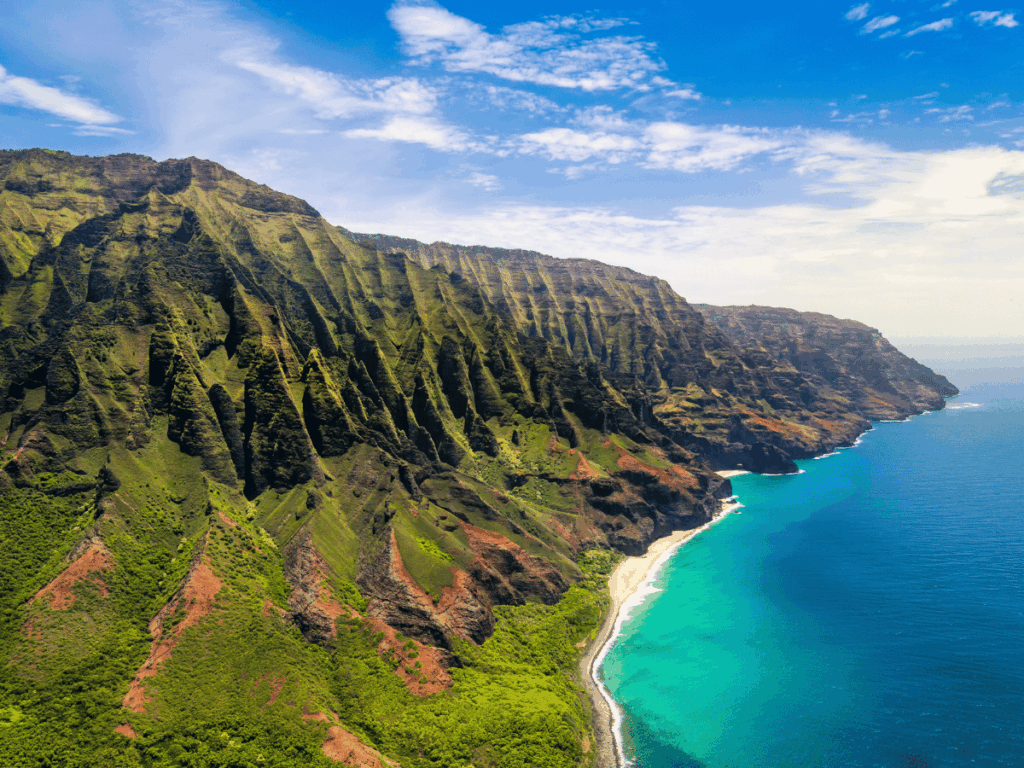
The sea cliffs of Kauai’s Na Pali Coast rise over 4,000 feet from the Pacific Ocean.
There are no roads here, only the 11-mile Kalalau Trail, which is considered one of the most dangerous hikes in America.
Most people see it from helicopter tours or boat cruises, but either way, the scale is almost impossible to comprehend.
Jurassic Park was filmed here, and it looks exactly that ancient.
9. Chiricahua National Monument — Arizona
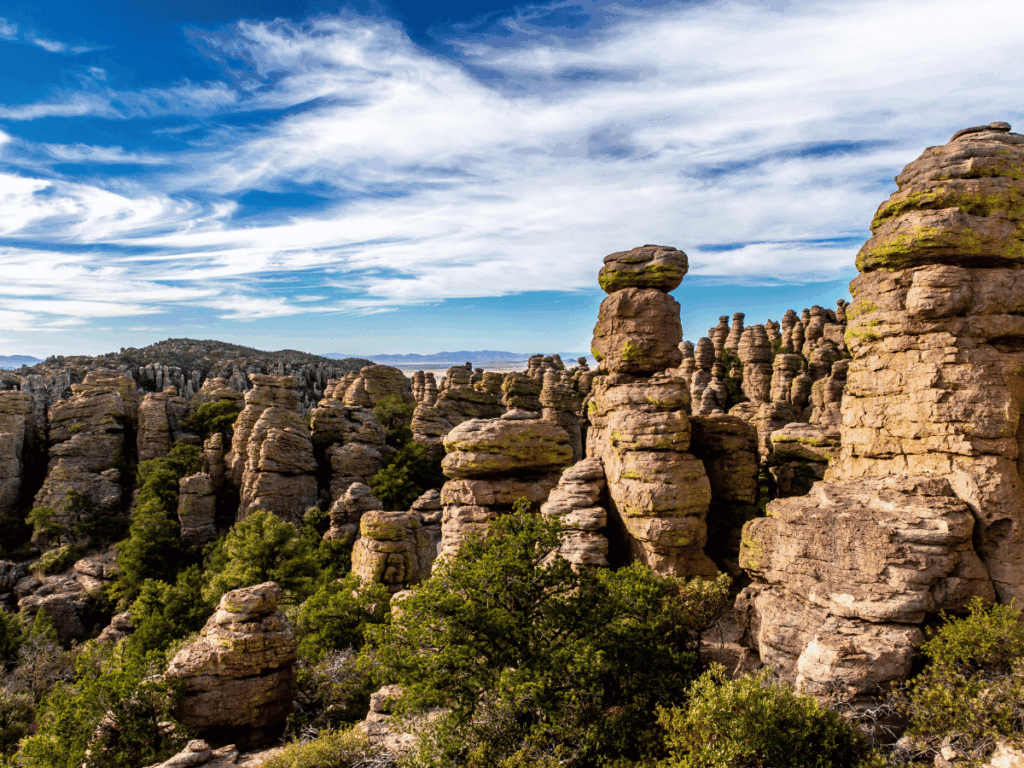
Chiricahua is a maze of towering rock pinnacles and balanced stones created by volcanic eruptions 27 million years ago.
The Apache called this place the “Land of Standing-Up Rocks,” and the name fits perfectly.
Hiking trails wind through the formations, offering close-up views of rock stacks that defy gravity.
It’s remote and rarely crowded, which is part of the magic.
10. Pictured Rocks National Lakeshore — Michigan
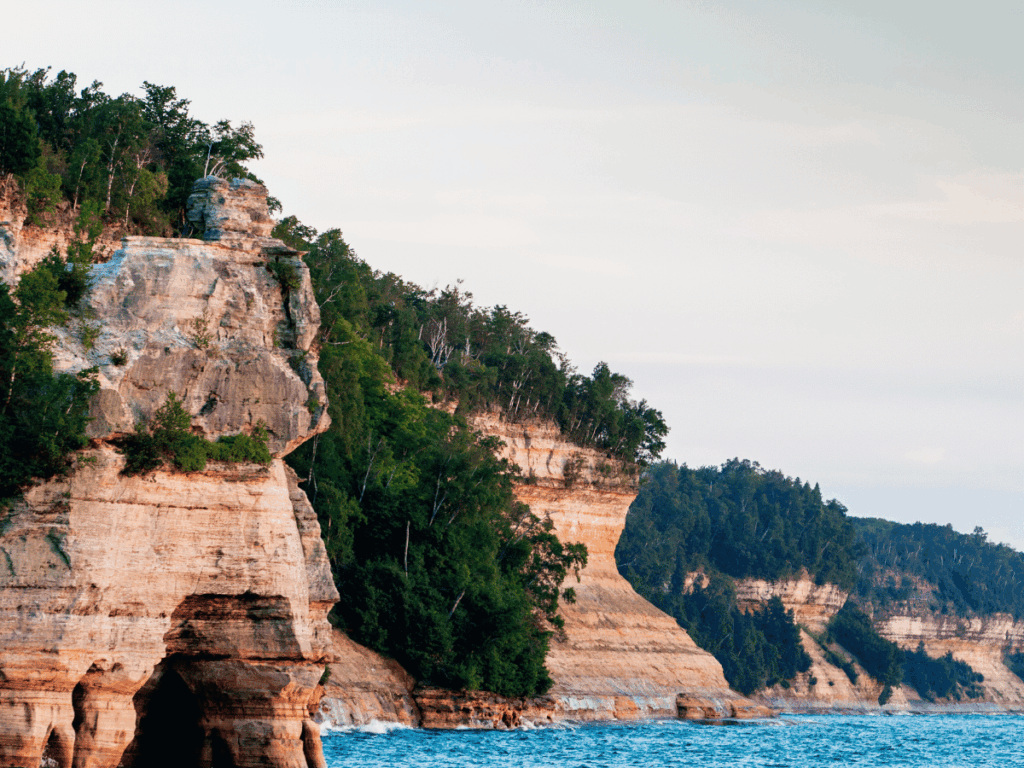
Along Lake Superior’s southern shore, 200-foot sandstone cliffs have been painted by mineral stains into bands of orange, red, and green.
You can hike above them on the Chapel Loop Trail or kayak beneath them for the full effect.
Waterfalls pour directly into the lake, and sea caves cut deep into the colorful rock.
This is Michigan you didn’t know existed.
11. Goblin Valley State Park — Utah
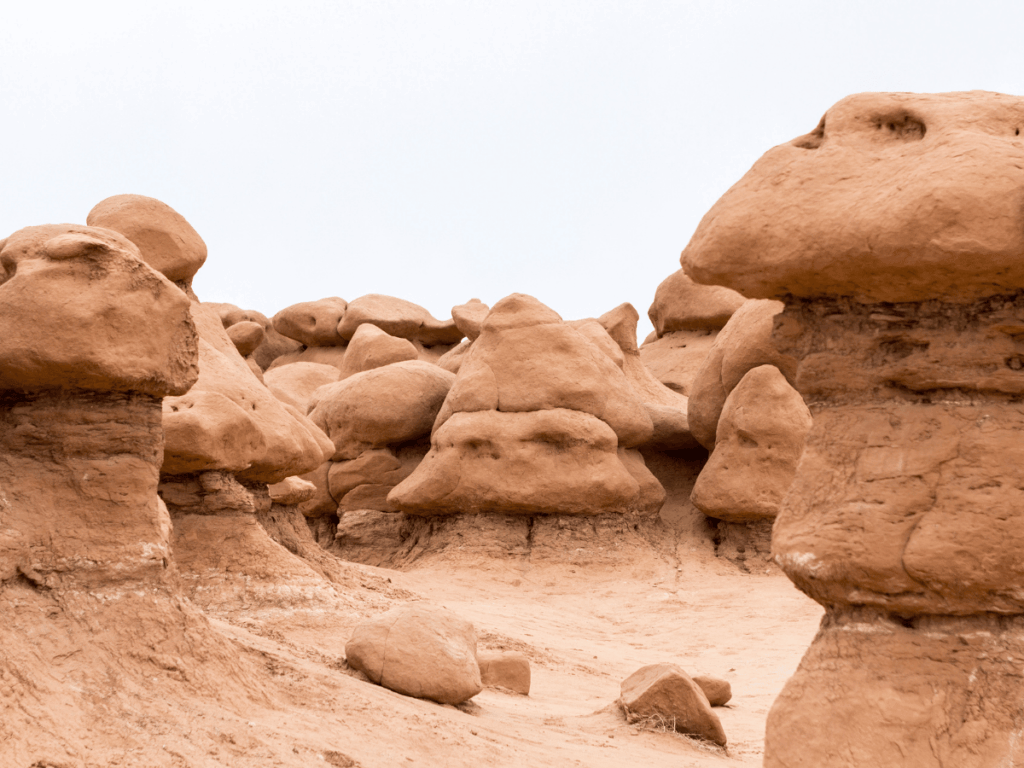
Goblin Valley is covered in thousands of mushroom-shaped rock formations that look like a colony of stone creatures.
Unlike most parks, you can climb on and around these “goblins” however you want.
The formations glow red at sunset, and the dark skies make it one of the best stargazing spots in Utah.
Multiple sci-fi films have been shot here, and you’ll understand why the minute you arrive.
12. Great Basin National Park — Nevada
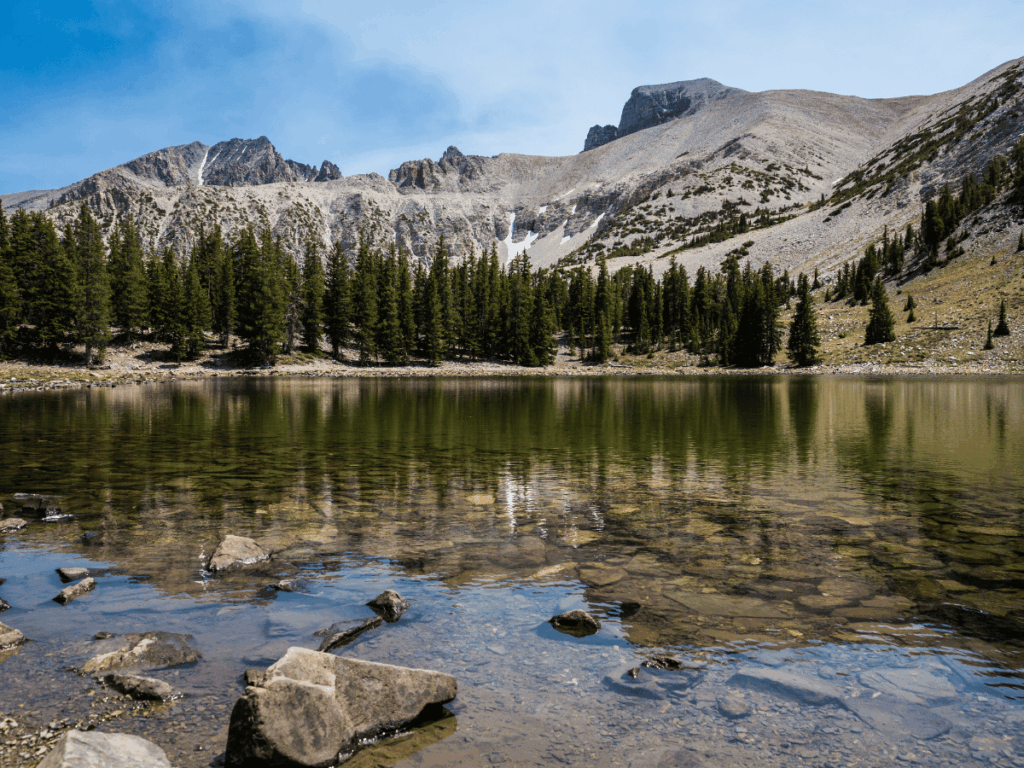
Great Basin is one of the most overlooked national parks in the system, and it shouldn’t be.
Wheeler Peak rises to 13,065 feet, ancient bristlecone pines grow for thousands of years, and the Lehman Caves hold delicate limestone formations.
The night sky here is among the darkest in America, with Milky Way views that stop you in your tracks.
Isolation is the point, and the reward.
13. Big Bend National Park — Texas
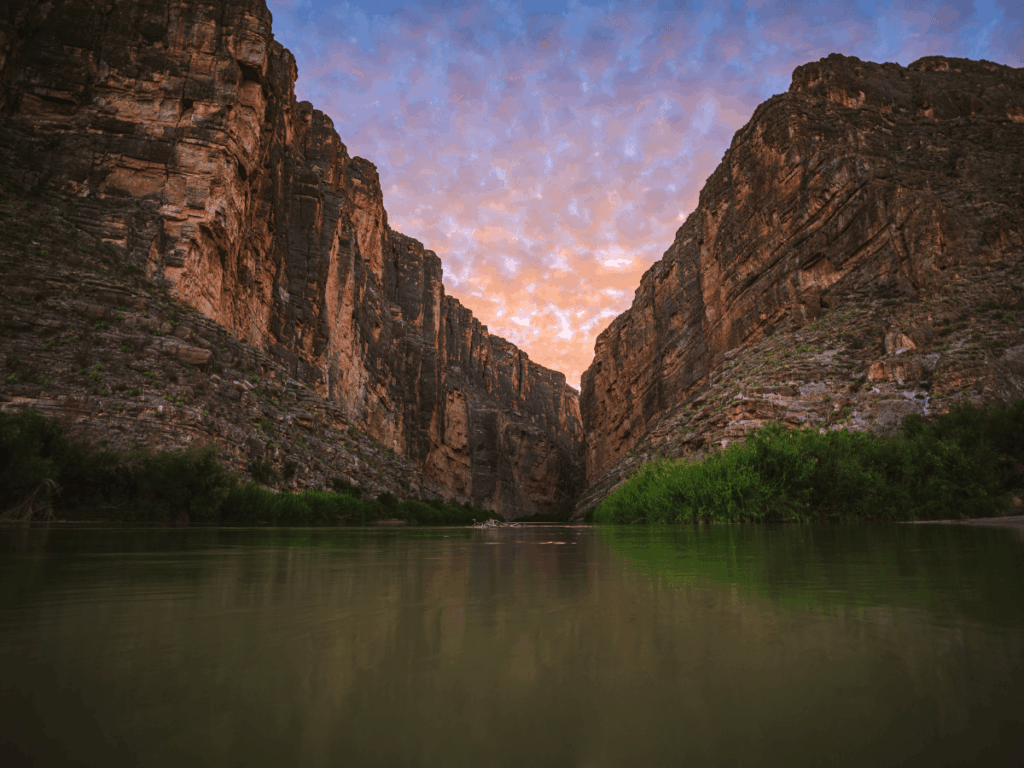
Big Bend occupies a remote corner of West Texas where the Rio Grande carves through desert canyons.
The Chisos Mountains rise from the desert floor, creating a sky island of cooler temperatures and different ecosystems.
Most Texans have never been here, even though it’s the size of Rhode Island.
That emptiness is exactly what makes it worth the long drive.
14. North Cascades National Park — Washington
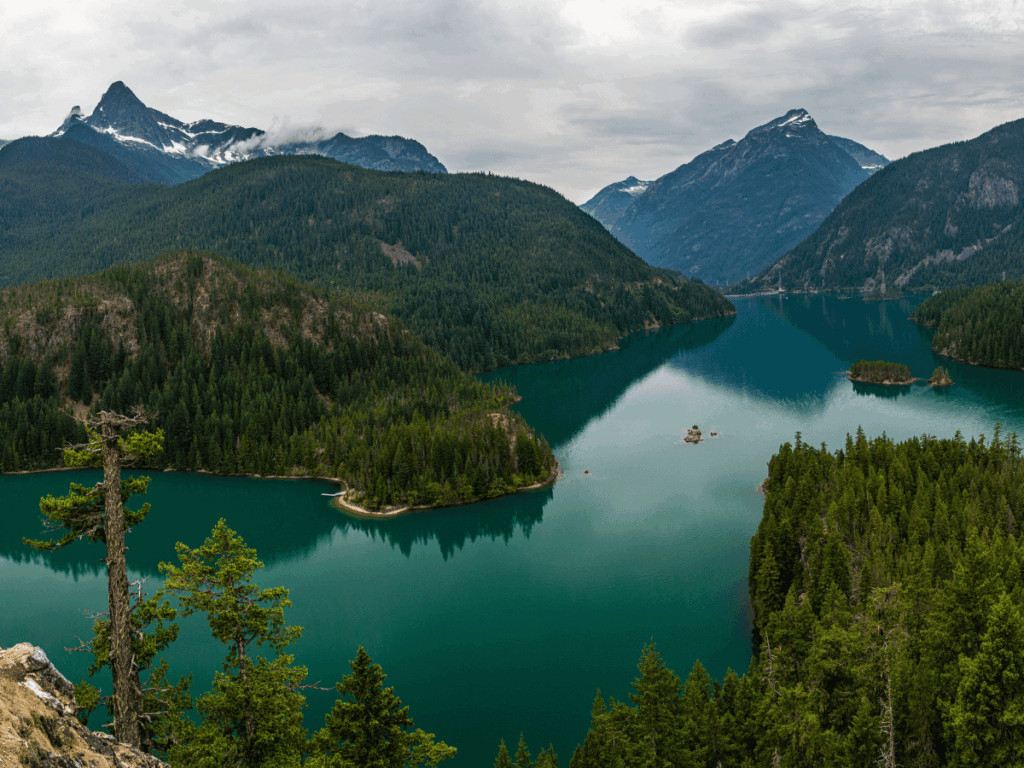
North Cascades is called the “American Alps” for good reason, with jagged peaks, glacier-fed lakes, and alpine meadows.
It’s also one of the least visited national parks in the lower 48, which means trails feel empty and wild.
The park contains more than 300 glaciers, the largest concentration in the contiguous United States.
Most visitors to Washington head to Rainier or Olympic, so North Cascades stays blissfully overlooked.
15. Theodore Roosevelt National Park — North Dakota
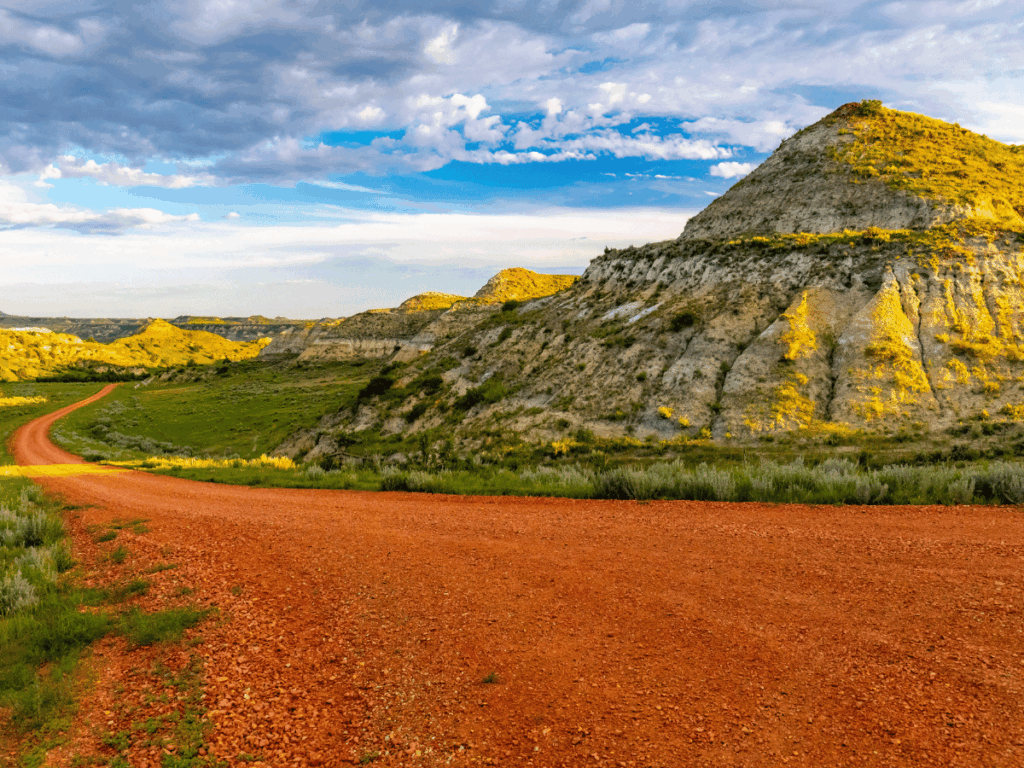
The North Dakota badlands are where Teddy Roosevelt came to heal after losing his wife and mother on the same day.
Today, free-roaming bison, wild horses, and prairie dogs share this rugged landscape with hikers and campers.
The painted canyons and rolling grasslands look like the American West before it was settled.
It’s one of the most underrated destinations in the entire national park system.
Cities are easy to love.
But the landscapes that made this country legendary exist far from the skylines and the crowds.
These 15 places prove that.