8 National Park Trails That Are Big on Solitude But Low on Crowds
America’s national parks are more popular than ever.
That’s great for conservation funding but terrible for anyone who came to hear silence.
The famous trails are packed, the parking lots are full by 8 AM, and half your photos have strangers in them.
But here’s the thing: every crowded park has trails that most people skip.
These 8 hikes deliver the solitude you came for…
1. Druid Arch Trail — Canyonlands National Park, Utah
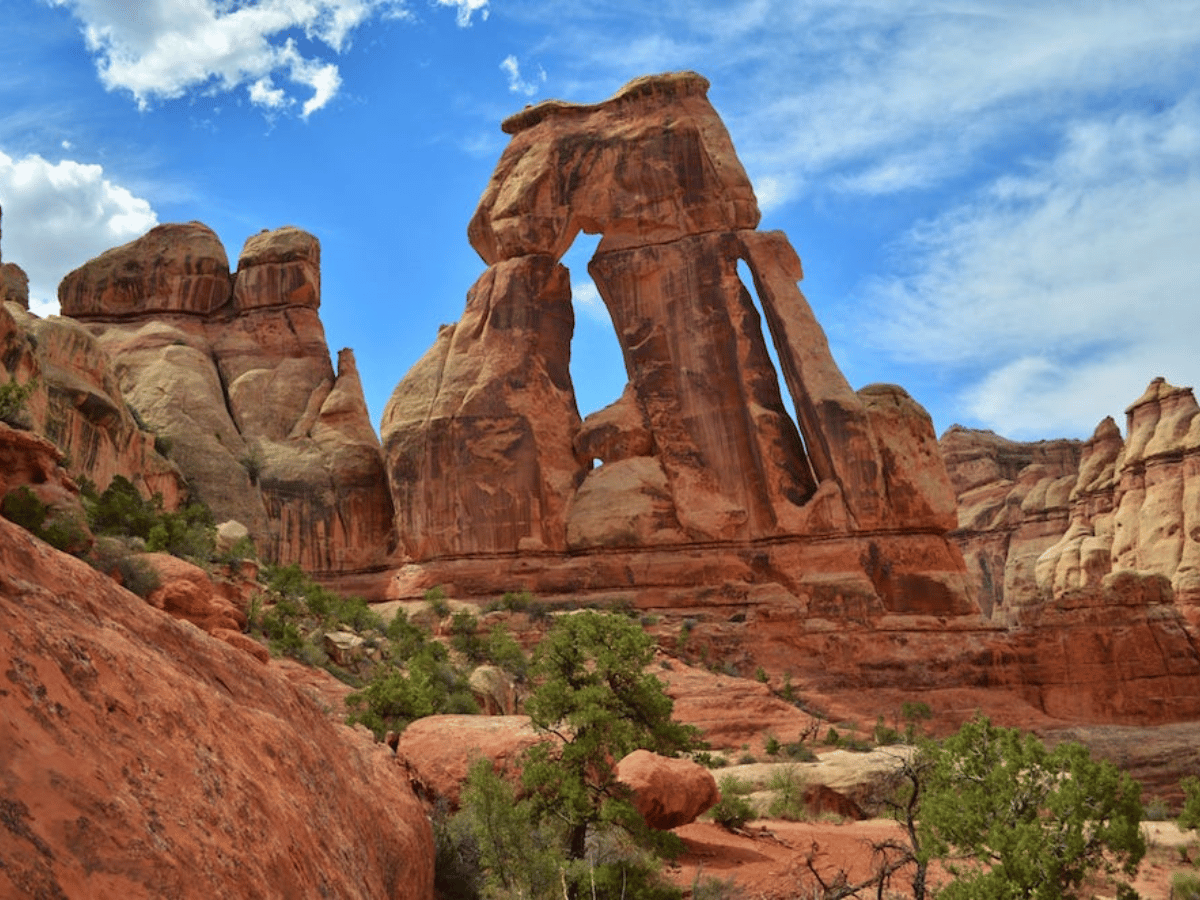
While Mesa Arch fills with photographers at sunrise, the 10.4-mile round-trip Druid Arch Trail in the Needles District stays quiet.
The trail starts at Elephant Hill and winds through Elephant Canyon, passing the district’s famous sandstone spires.
The final quarter-mile requires climbing a ladder and scrambling up a steep ravine.
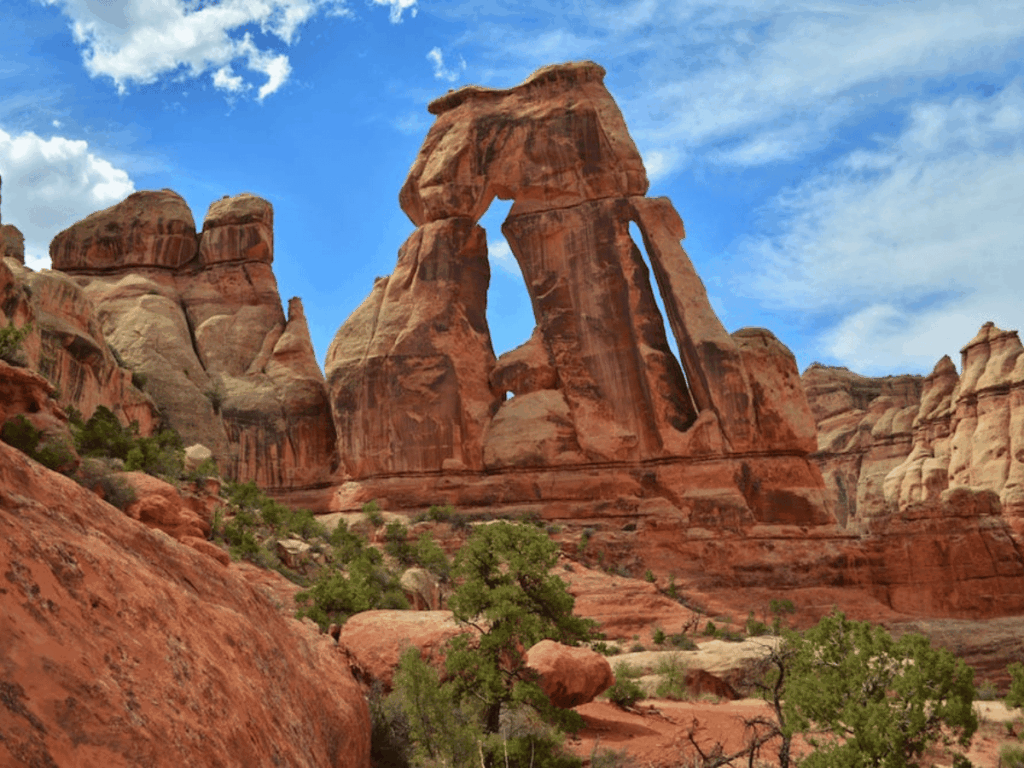
At the end, Druid Arch rises like a prehistoric monument, and you’ll likely have it to yourself.
2. Kolob Canyons — Zion National Park, Utah
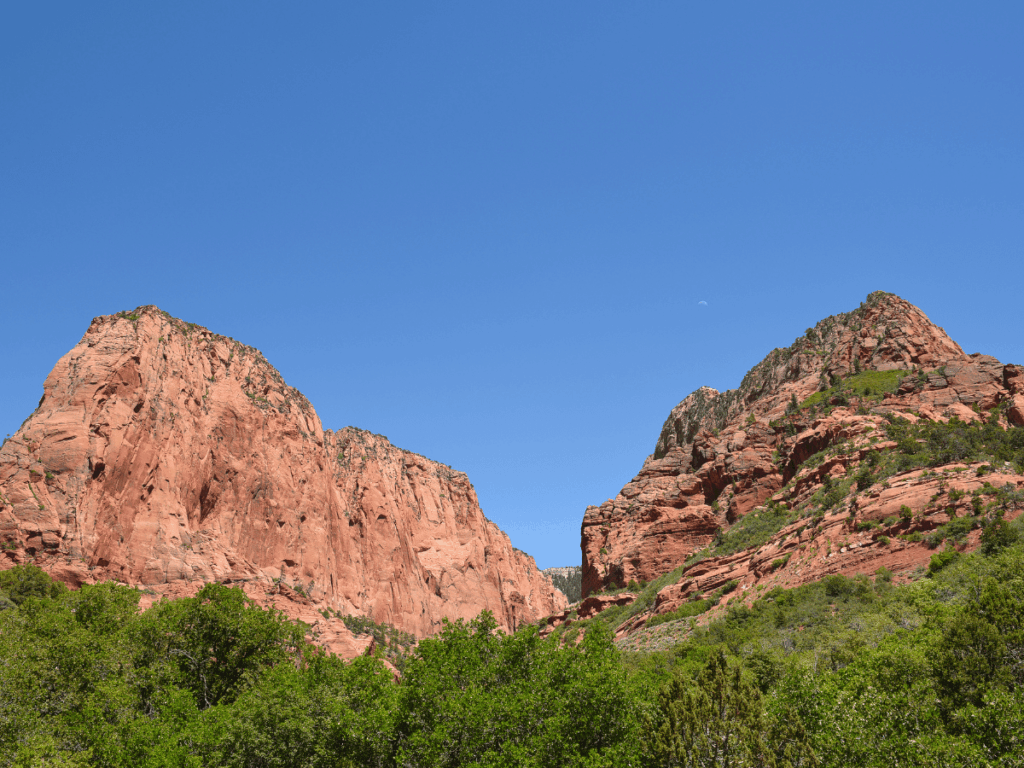
Most Zion visitors never leave the main canyon, which means Kolob Canyons in the northwest corner stays blissfully empty.
The Timber Creek Overlook Trail is just one mile round-trip with panoramic views of finger canyons.
For more solitude, hike the 14-mile round-trip La Verkin Creek Trail to Kolob Arch, one of the world’s largest freestanding arches.
Same park, completely different experience.
3. Bogachiel River Trail — Olympic National Park, Washington
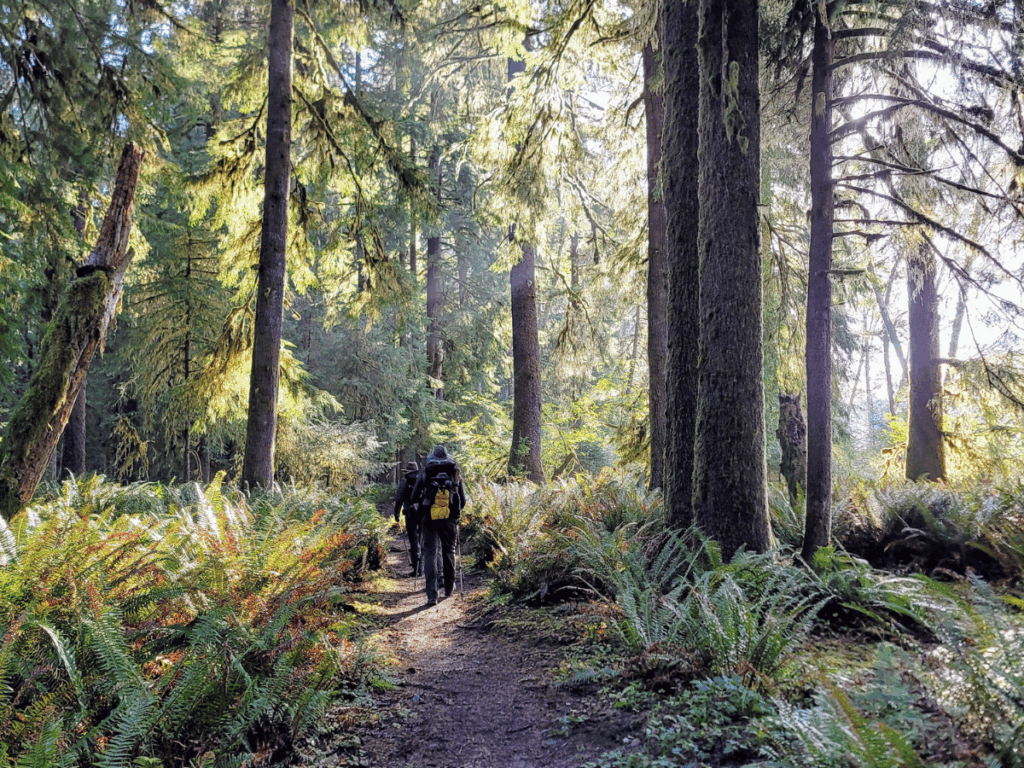
Everyone heads to the Hoh Rainforest, but the Bogachiel River Trail just to the south offers the same moss-draped temperate rainforest without the crowds.
The full trail runs nearly 30 miles, but shorter sections are accessible near the park boundary.
You’ll walk through ancient forest with hanging moss, ferns, and wetlands, all in near-total solitude.
The silence is almost unsettling.
4. Union Falls Trail — Yellowstone National Park, Wyoming
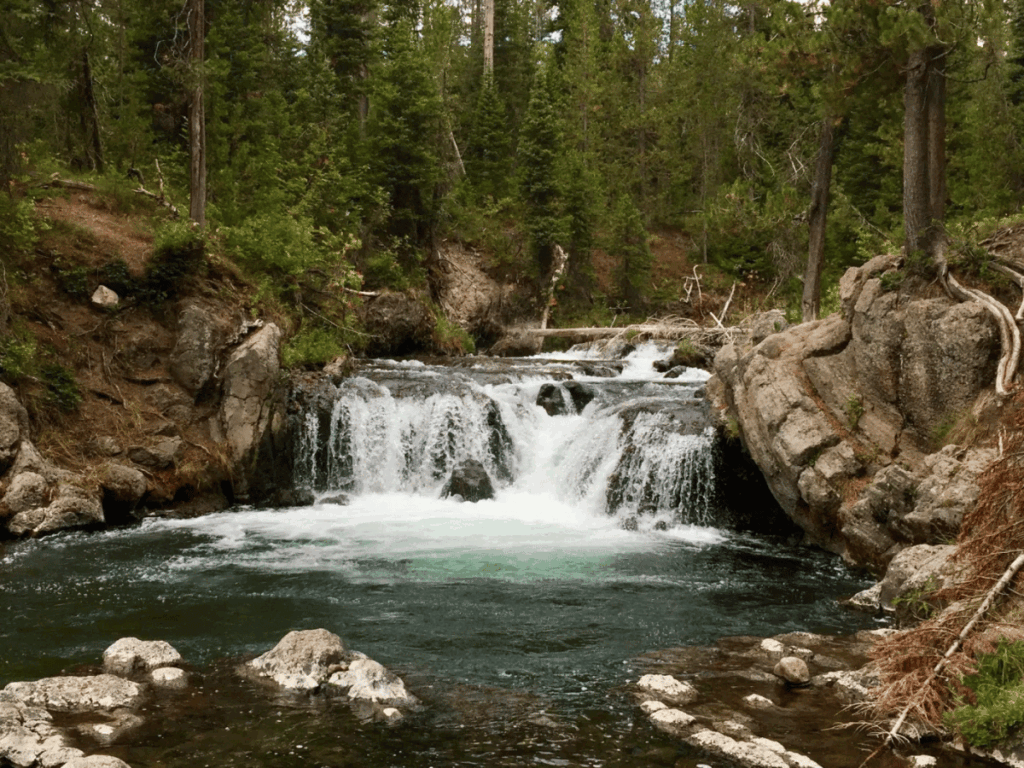
While everyone fights for parking at Old Faithful, the remote Bechler Region receives more rainfall and fewer visitors than anywhere else in Yellowstone.
The 16-mile round-trip Union Falls Trail leads to the park’s second-largest waterfall, a 250-foot cascade surrounded by lush forest.
It’s a full day of hiking, but you’ll see more wildlife and fewer people than anywhere near the geyser basins.
5. Logging Lake Trail — Glacier National Park, Montana
The Avalanche Lake Trail is gorgeous but packed.
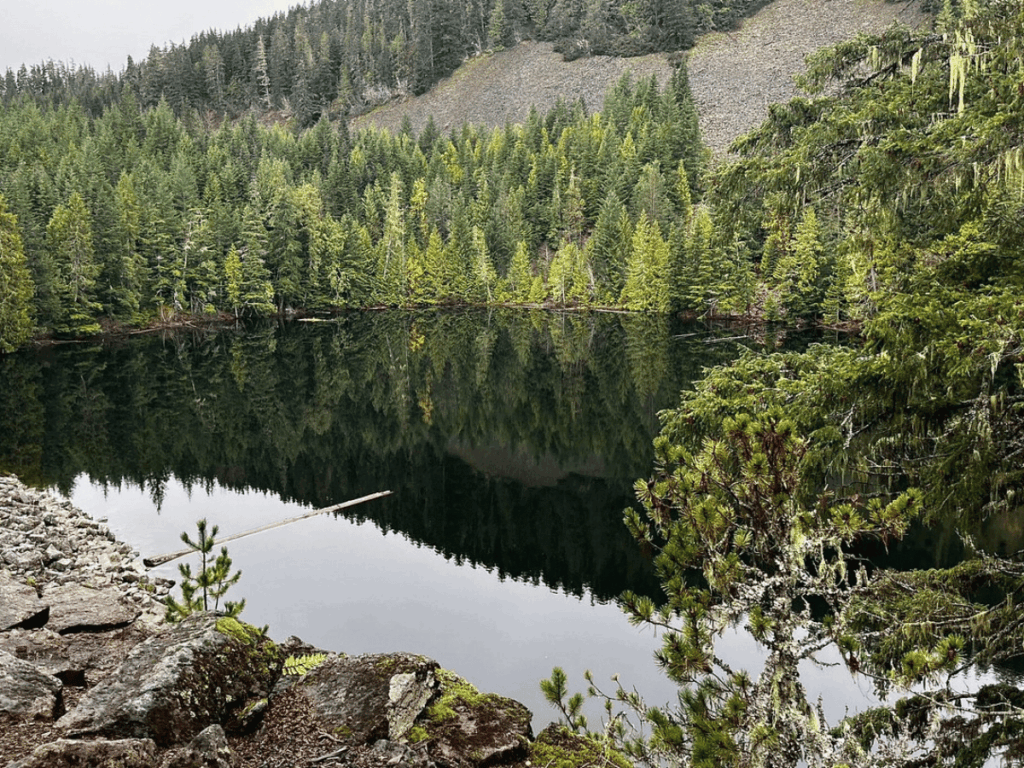
Logging Lake Trail offers similar scenery with a fraction of the foot traffic.
The 9-mile round-trip hike follows a forested path to a remote lake surrounded by mountains.
Moose sightings are common, crowds are not.
6. Wizard Island Summit Trail — Crater Lake National Park, Oregon
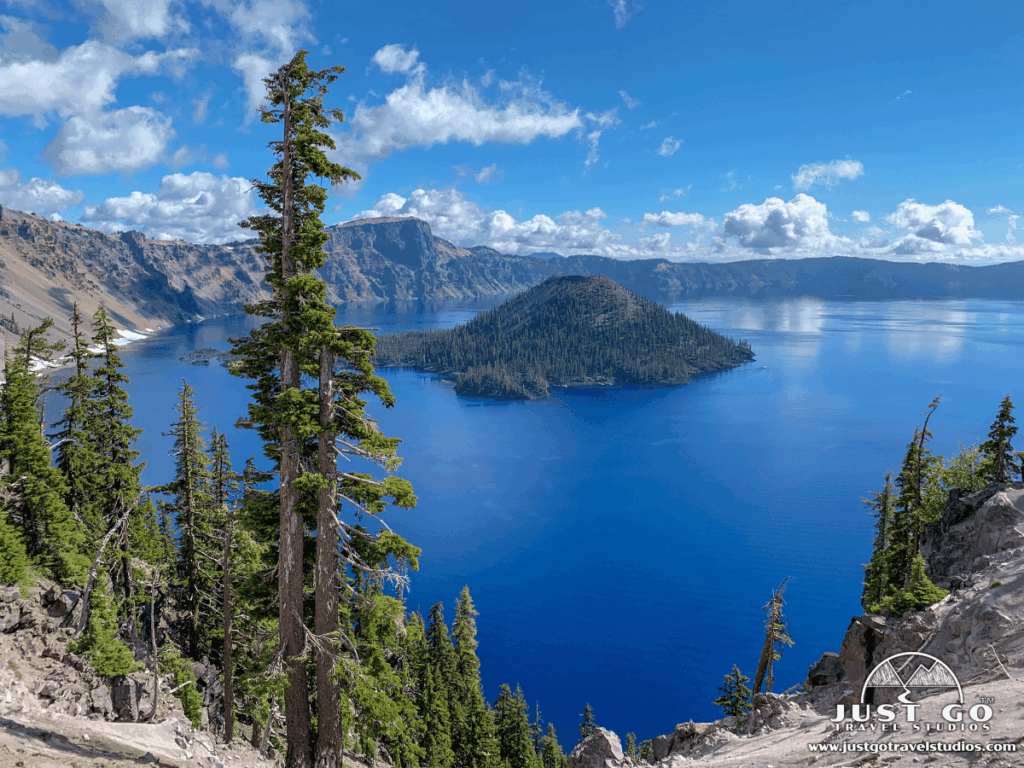
Getting to this trail takes effort: you have to hike the Cleetwood Cove Trail down to the lake, then take a boat to Wizard Island.
Once there, the 2.3-mile round-trip summit trail circles the crater of the cinder cone that formed the island.
Most visitors never make it this far, which means panoramic lake views without the usual Crater Lake crowds.
You can even climb down into the Witches’ Cauldron at the crater’s center.
7. North Kaibab Trail (First Few Miles) — Grand Canyon National Park, Arizona
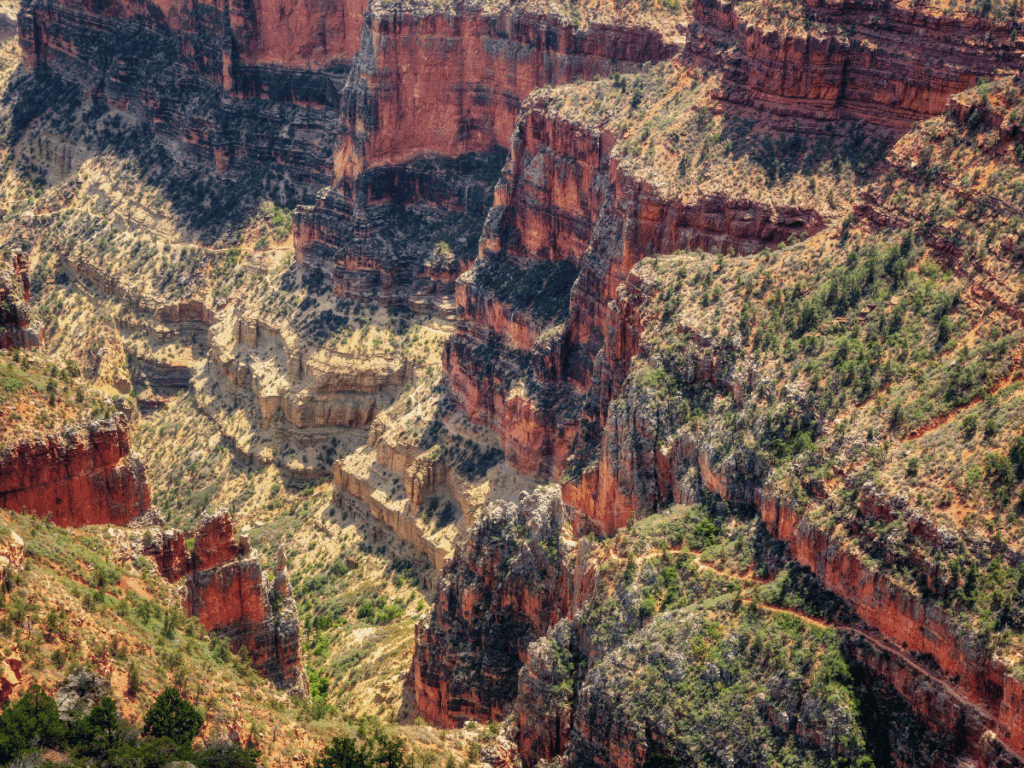
The South Rim gets five times more visitors than the North Rim, and that difference shows on the trails.
The North Kaibab Trail descends from the North Rim through five ecological zones, from ponderosa pine to desert scrub.
You don’t have to hike the full 14 miles to the river to get the experience.
Even the first few miles feel wilder and quieter than anything on the south side.
8. Baker Lake Trail — Great Basin National Park, Nevada
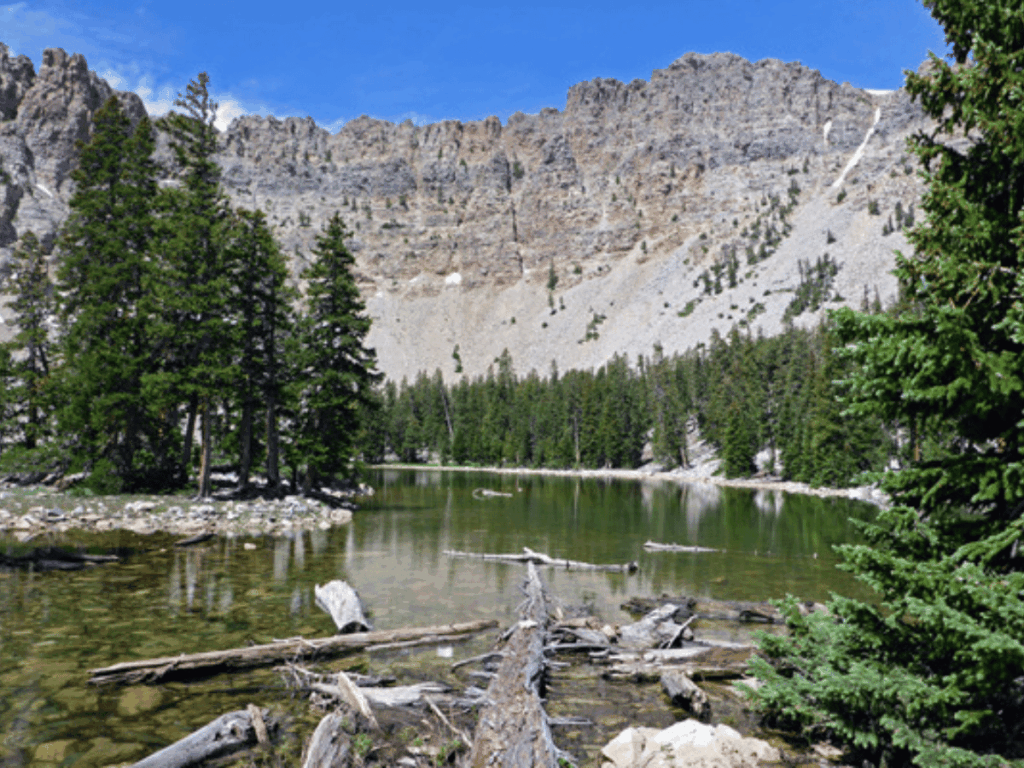
Great Basin is one of the least-visited national parks in the country, and Baker Lake Trail shows why that’s a shame.
The 12-mile round-trip hike climbs through bristlecone pine forest, some of the oldest living trees on Earth, to an alpine lake beneath Wheeler Peak.
The high desert landscape is stark and beautiful, and the night sky here is among the darkest in America.
You might not see another hiker all day.
Solitude isn’t gone from the national parks.
It’s just hiding in the places most visitors don’t look.
These 8 trails prove that wilderness still exists if you’re willing to walk a little farther to find it.