19 Unbelievable American Landscapes You Had No Idea Existed
You think you know America.
You’ve scrolled through the same Grand Canyon photos a thousand times.
You’ve bookmarked Yellowstone for “someday.”
But what if I told you the most mind-bending landscapes in this country aren’t the ones on postcards?
They’re hiding in plain sight, waiting for someone curious enough to find them…
1. Fly Geyser, Nevada
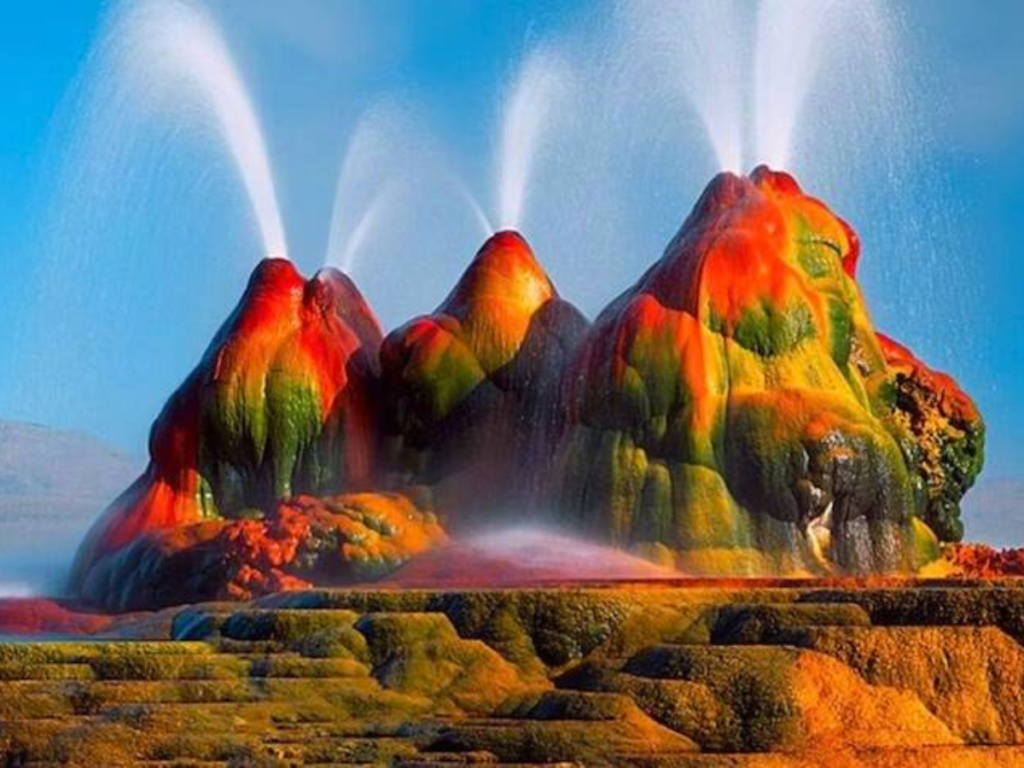
About two hours north of Reno sits a rainbow-colored alien tower that shouldn’t exist.
Fly Geyser was created by accident in 1964 when a geothermal energy company drilled a test well and failed to seal it properly.
Now boiling water shoots five feet into the air from multiple cones that grow several inches each year, painted in brilliant greens and reds by thermophilic algae.
The Burning Man Project owns the 3,800-acre property and offers guided nature walks from April to October.
2. Bonneville Salt Flats, Utah
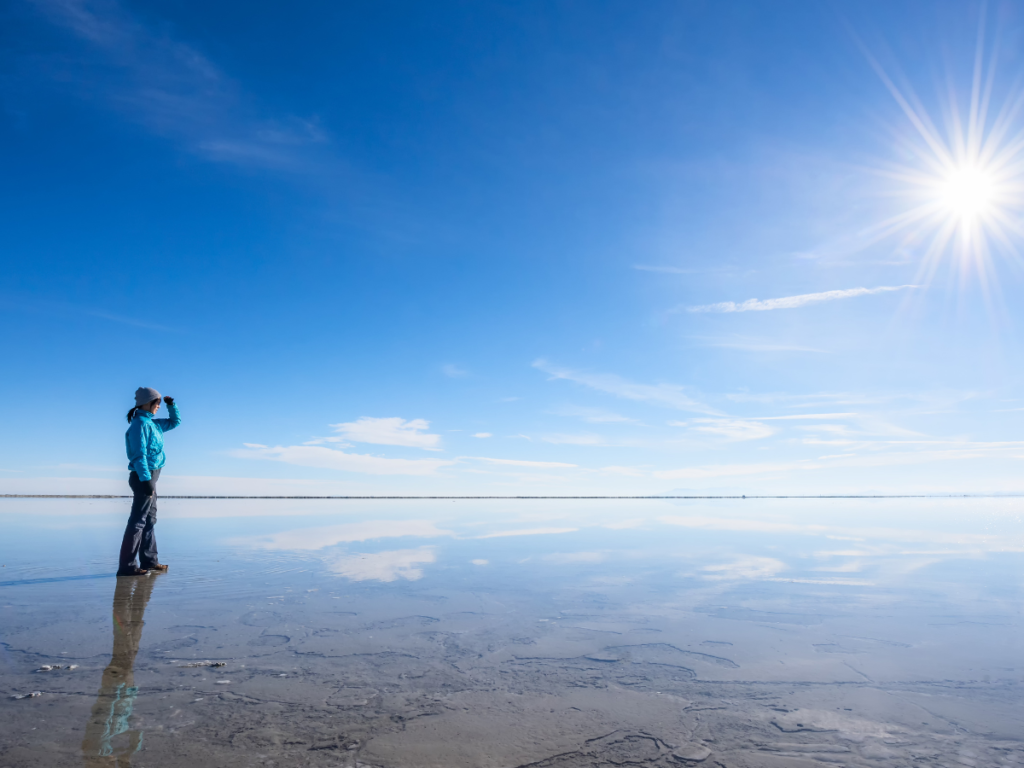
Imagine a frozen lake, except it’s made of the stuff you put on your fries.
The Bonneville Salt Flats stretch 12 miles long and 5 miles wide across northwestern Utah, covering 30,000 acres of blindingly white salt crust.
This remnant of ancient Lake Bonneville holds an estimated 147 million tons of salt, with a crust nearly five feet thick at the center.
When a thin layer of water covers the surface, the entire landscape becomes a perfect mirror of the sky.
3. White Sands National Park, New Mexico
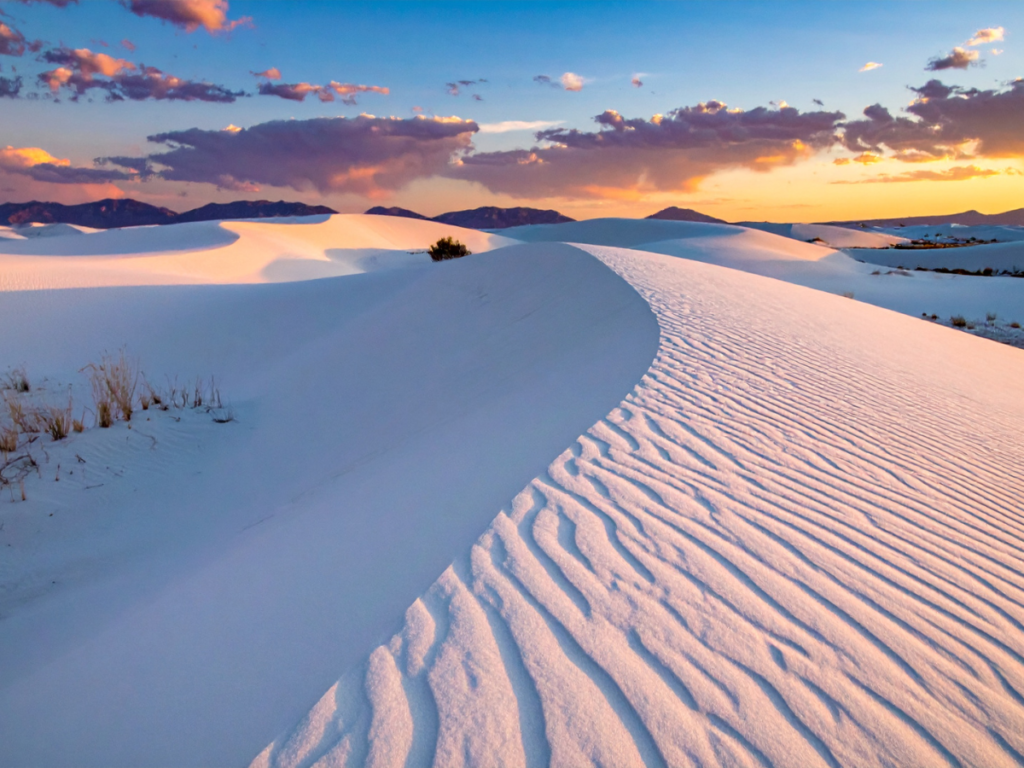
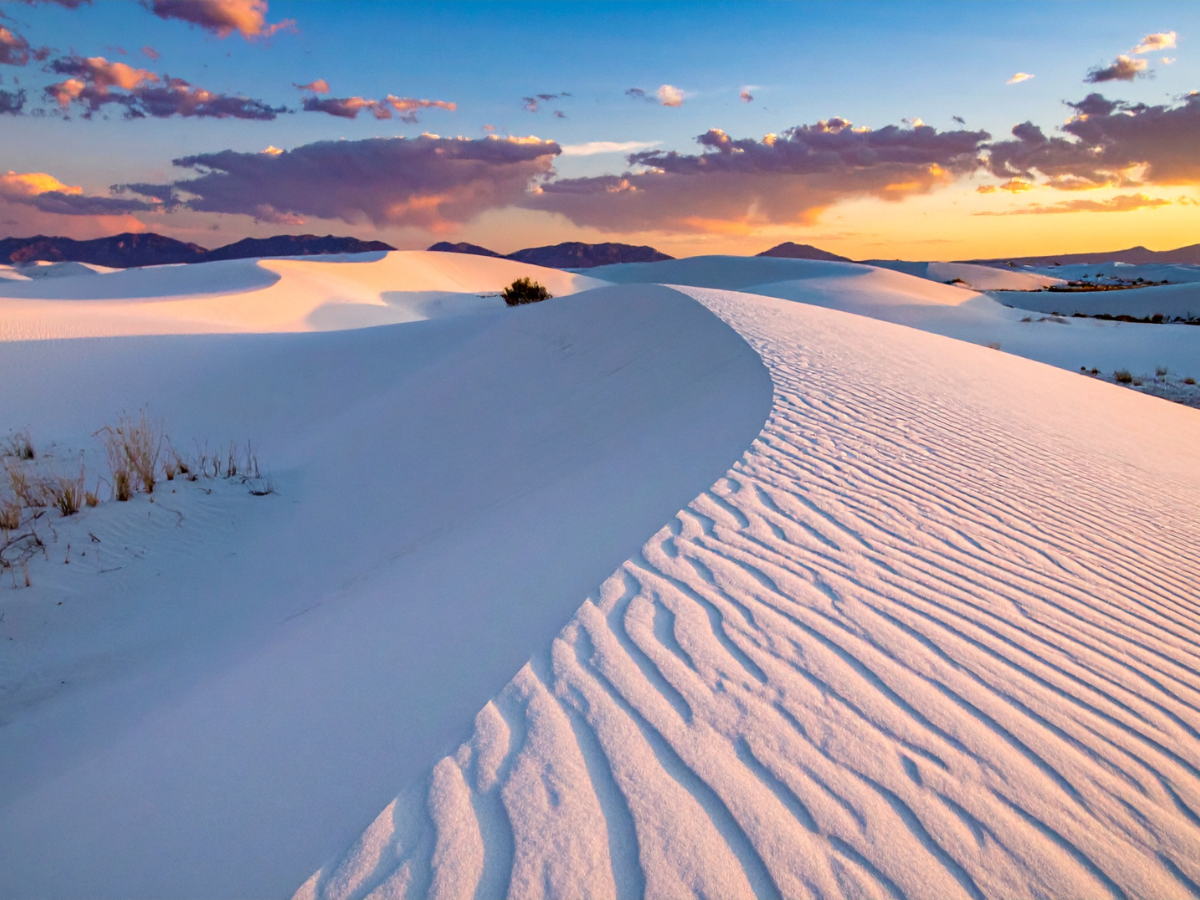
Most sand dunes are tan or brown.
These are snow-white, and they cover 275 square miles of the Chihuahuan Desert.
White Sands is the largest gypsum dunefield on Earth, with dunes reaching 60 feet tall that feel cool to the touch even in blazing summer heat.
The gypsum grains constantly rub against each other, creating tiny scratches that reflect sunlight and give the dunes their brilliant white glow.
4. Craters of the Moon, Idaho
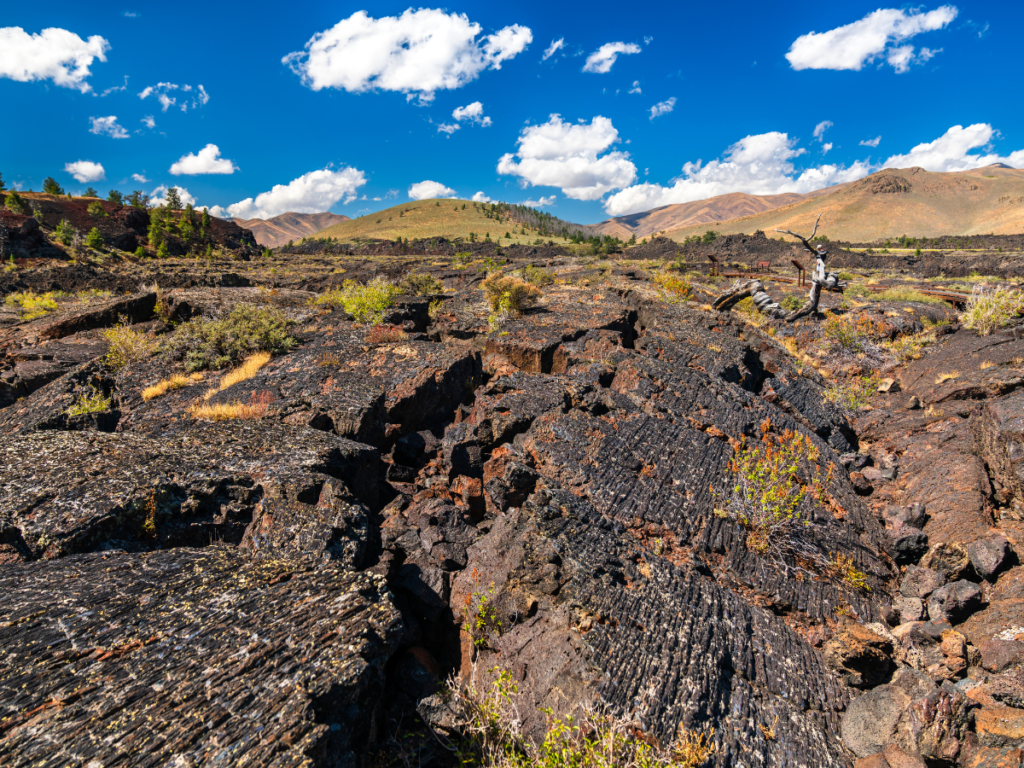
NASA used to send astronauts here to train for lunar missions.
Craters of the Moon is a 750,000-acre volcanic wonderland in central Idaho, featuring over 60 lava flows that erupted between 15,000 and 2,100 years ago.
The landscape includes 25 cinder cones, lava tubes you can walk through, and the deepest known open rift cracks on Earth at 800 feet.
Scientists say it will almost certainly erupt again within the next thousand years.
5. Painted Hills, Oregon
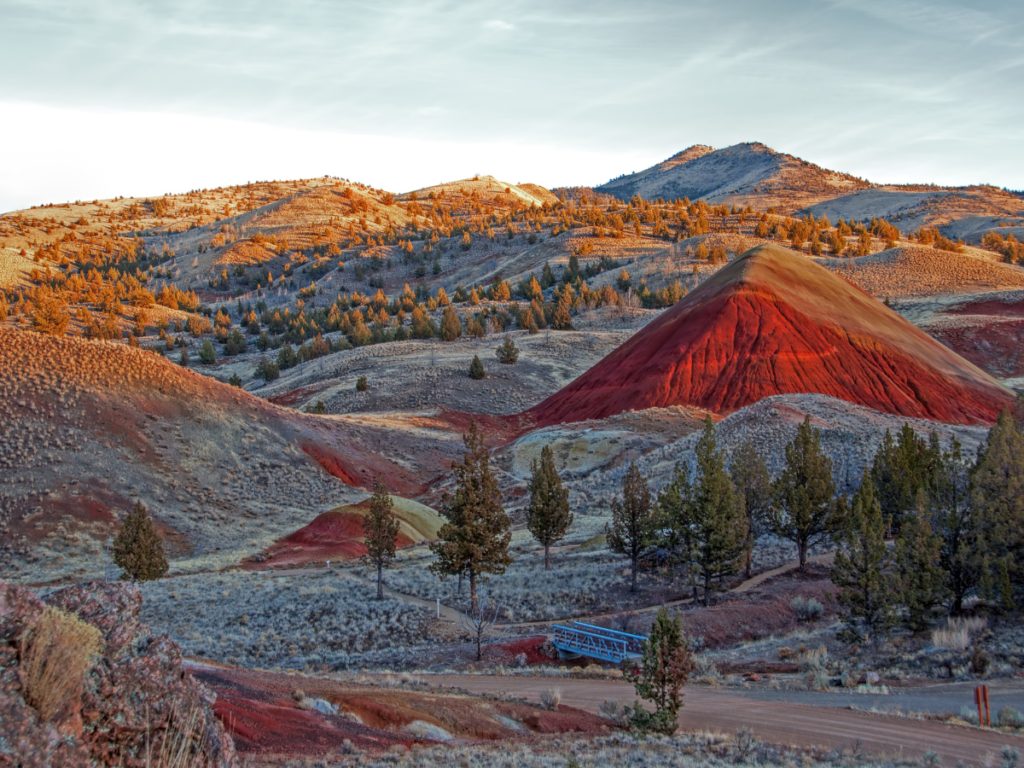
Imagine someone took red, yellow, gold, and black paint and brushed it across rolling hills.
The Painted Hills in central Oregon started forming 35 million years ago when volcanic ash from the Cascade Mountains traveled 100 miles east and settled over the area.
Different mineral combinations create the colorful bands, and the colors become most vibrant just after rainfall.
It’s listed as one of the Seven Wonders of Oregon for good reason.
6. Goblin Valley State Park, Utah
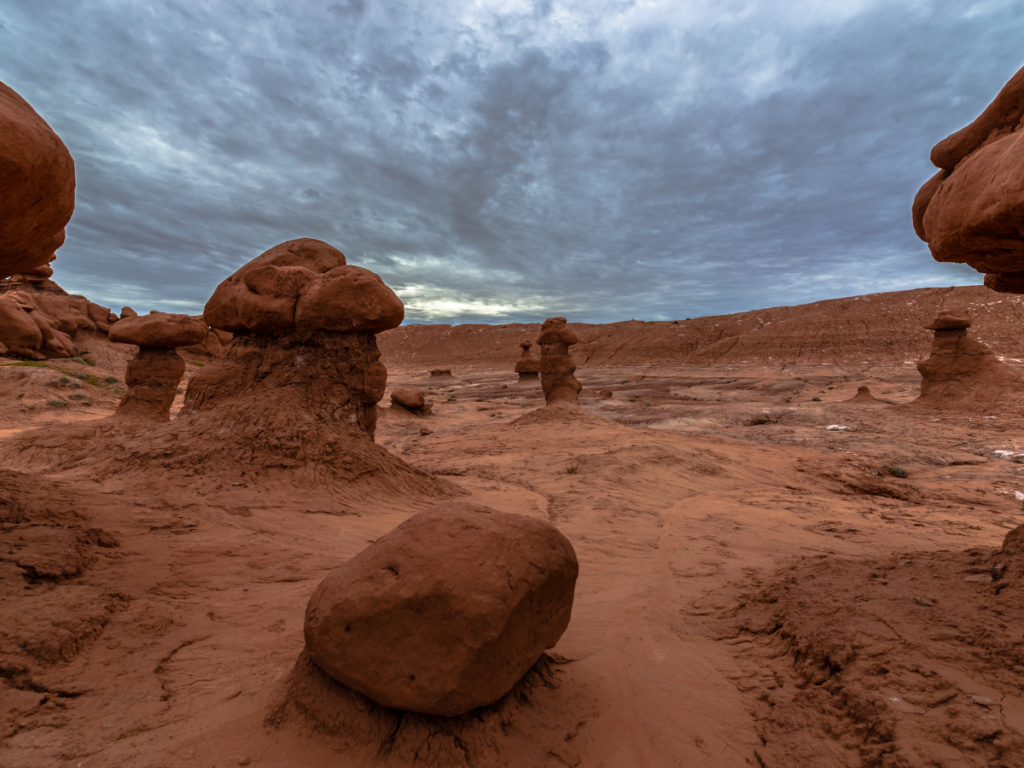
Thousands of mushroom-shaped rock formations called hoodoos cover this valley like an army of stone goblins.
The Entrada sandstone that forms these shapes was deposited during the Jurassic period, about 170 million years ago.
Unlike most parks, you’re actually encouraged to wander freely among the formations, hopping from goblin-top to goblin-top.
The park was used as an alien planet in the movie Galaxy Quest, which tells you everything you need to know.
7. Hamilton Pool Preserve, Texas
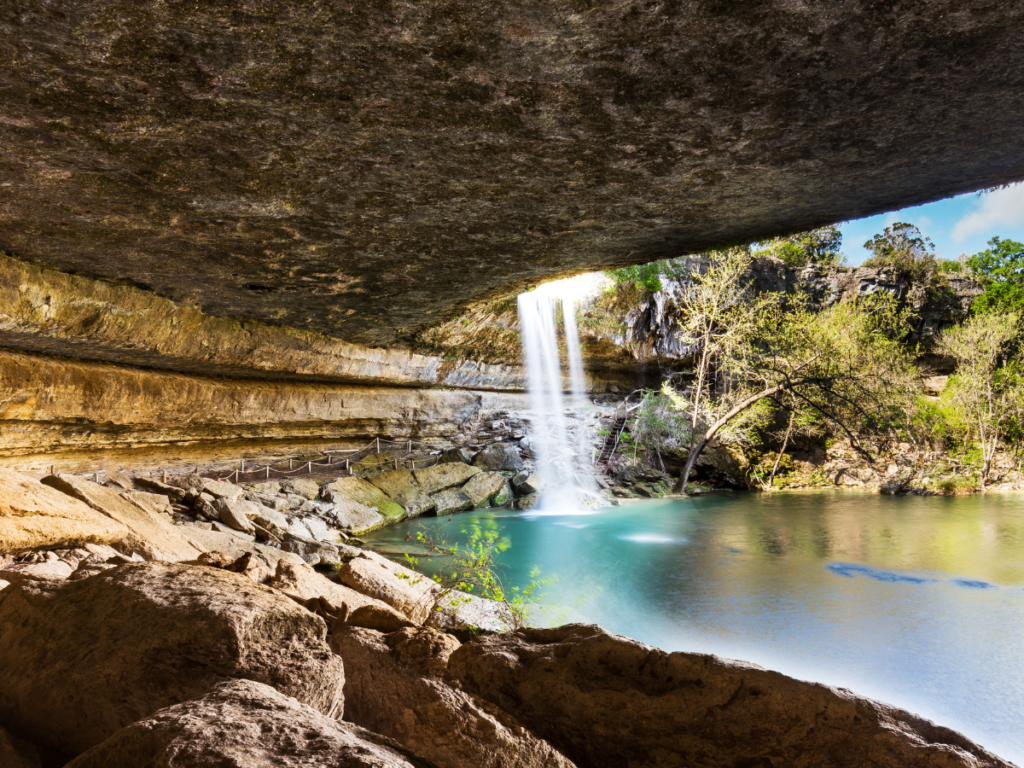
Twenty-three miles west of Austin hides an emerald grotto that looks like it belongs in Mexico.
Hamilton Pool formed when the dome of an underground river collapsed thousands of years ago, creating a jade-green pool fed by a 50-foot waterfall.
Stalactites hang from the limestone overhang, and the water stays cool year-round.
Reservations are required, and they fill up fast for good reason.
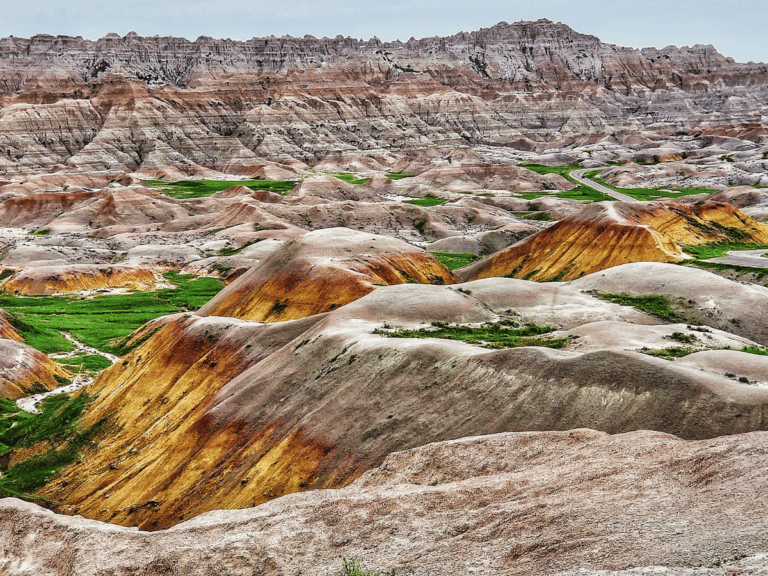
8. Bisti Badlands, New Mexico
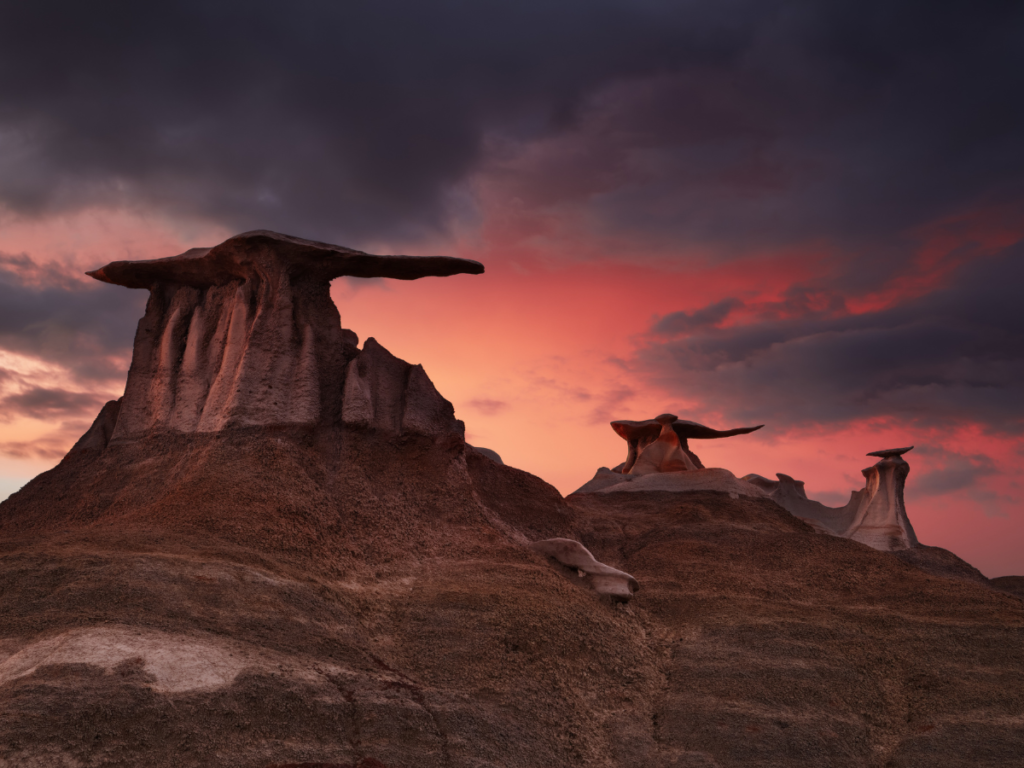
The Bisti Badlands look like Mars dropped into northern New Mexico.
Stretching across 41,170 acres, this otherworldly landscape features strange spires, hoodoos, and rock formations called “Cracked Eggs” that look exactly like they sound.
The area was once a sea, and the 1,400-foot-thick layer of mudstone, shale, and coal has been untouched for more than 50 million years.
There are no trails, so you simply wander through the maze and hope you can find your way back.
9. Mono Lake, California
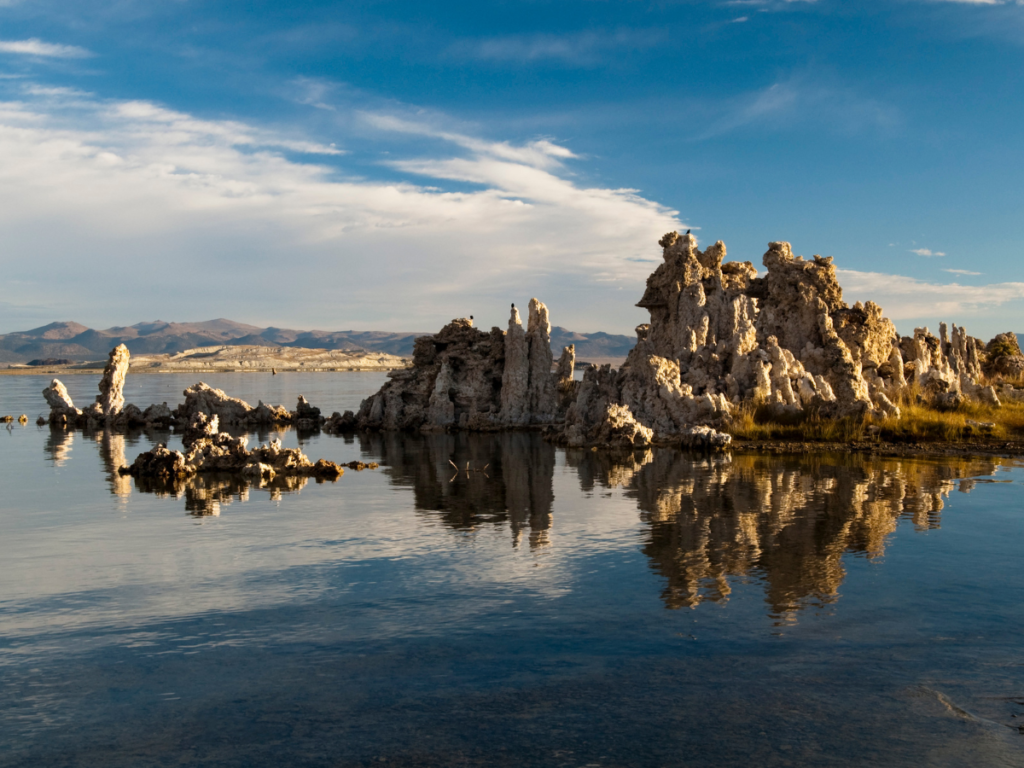
Strange limestone towers called tufa rise from the water like the ruins of an ancient alien city.
Mono Lake is an ancient saline lake in California’s Eastern Sierra, at least 760,000 years old and three times saltier than the ocean.
The tufa formed underwater when calcium-rich freshwater springs mixed with the lake’s carbonate-heavy water, creating towers that were exposed when water levels dropped.
The eerie landscape becomes especially otherworldly at sunrise and sunset.
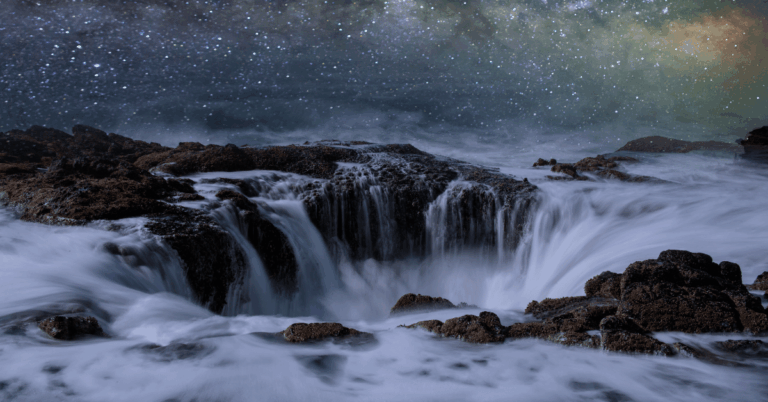
10. Thor’s Well, Oregon
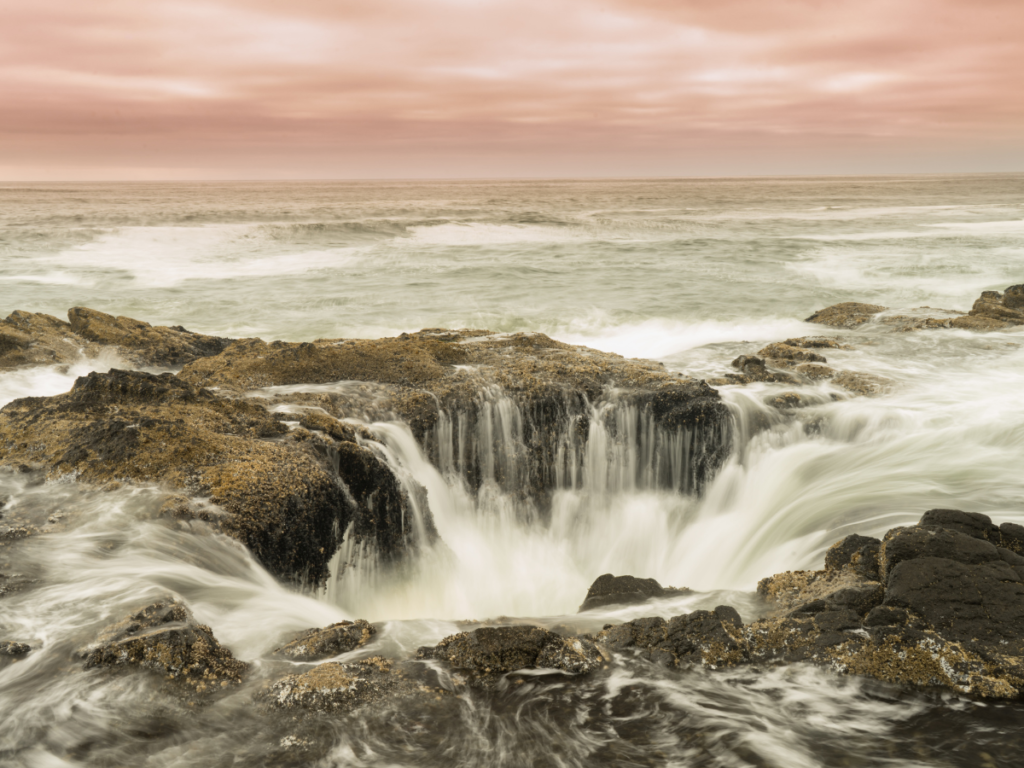
Along the Oregon coast sits a natural sinkhole that appears to drain the entire Pacific Ocean.
Thor’s Well is about 20 feet deep and fills dramatically at high tide before shooting water skyward as waves crash in.
The illusion makes it look like a bottomless pit sucking the ocean into the earth.
It’s most active around high tide and can be dangerous, so keep your distance.
11. Great Sand Dunes National Park, Colorado
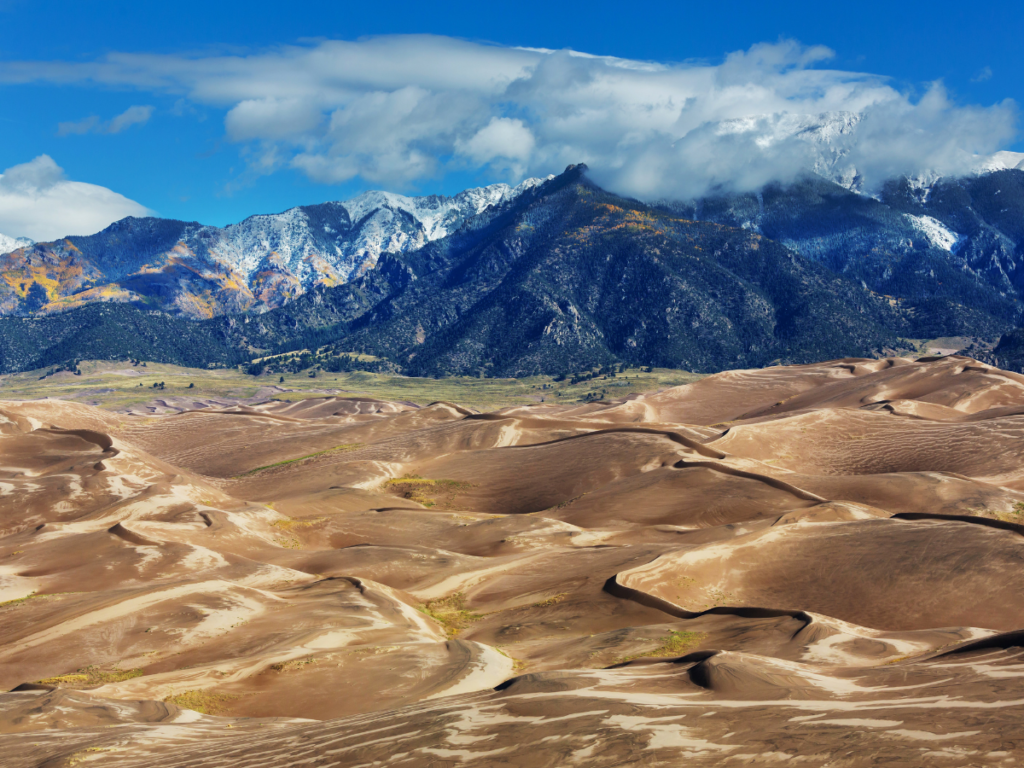
The tallest sand dunes in North America aren’t in the desert.
They’re in southern Colorado, nestled against the Sangre de Cristo Mountains, with peaks reaching 750 feet.
The dunes formed when sand from ancient lakes was blown against the mountain range and trapped in the San Luis Valley.
You can sled down them, hike to the top, or splash in Medano Creek when it flows in late spring.
12. Watkins Glen State Park, New York
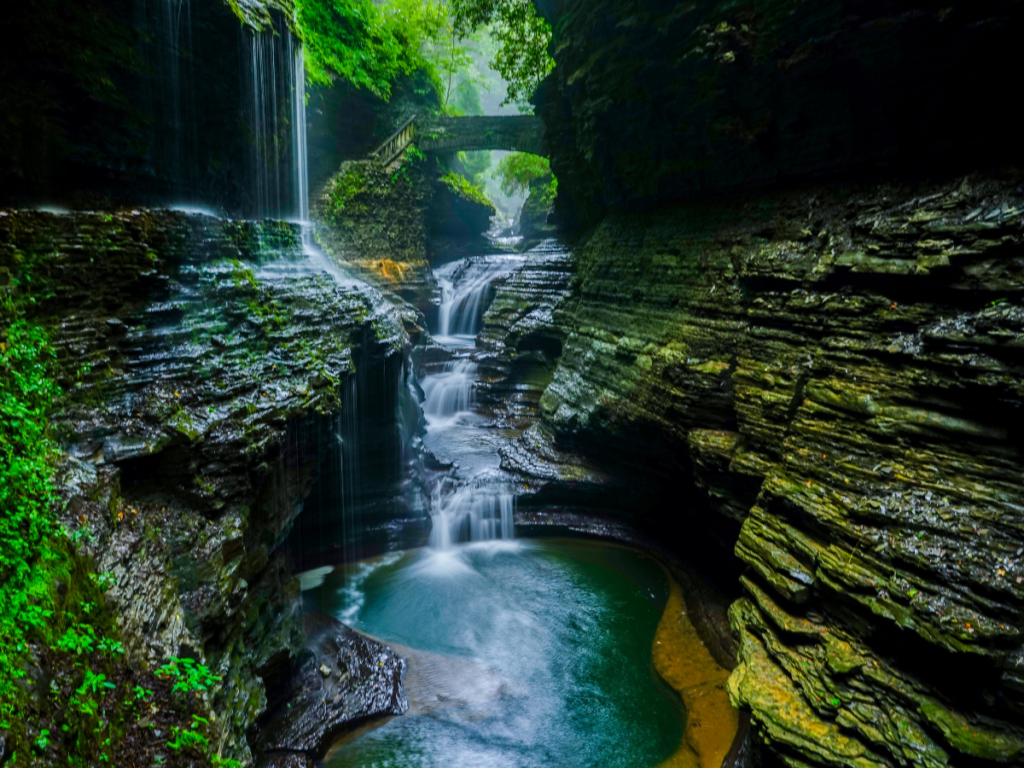
A two-mile gorge in upstate New York contains 19 waterfalls and feels more like a fairy tale than reality.
The glen was carved over 12,000 years since the last ice age, with walls rising 200 feet and a stone path winding behind cascading water.
The filtered light through the narrow canyon creates an almost supernatural atmosphere.
It’s easily one of the most beautiful state parks in the country.
13. Devil’s Tower, Wyoming
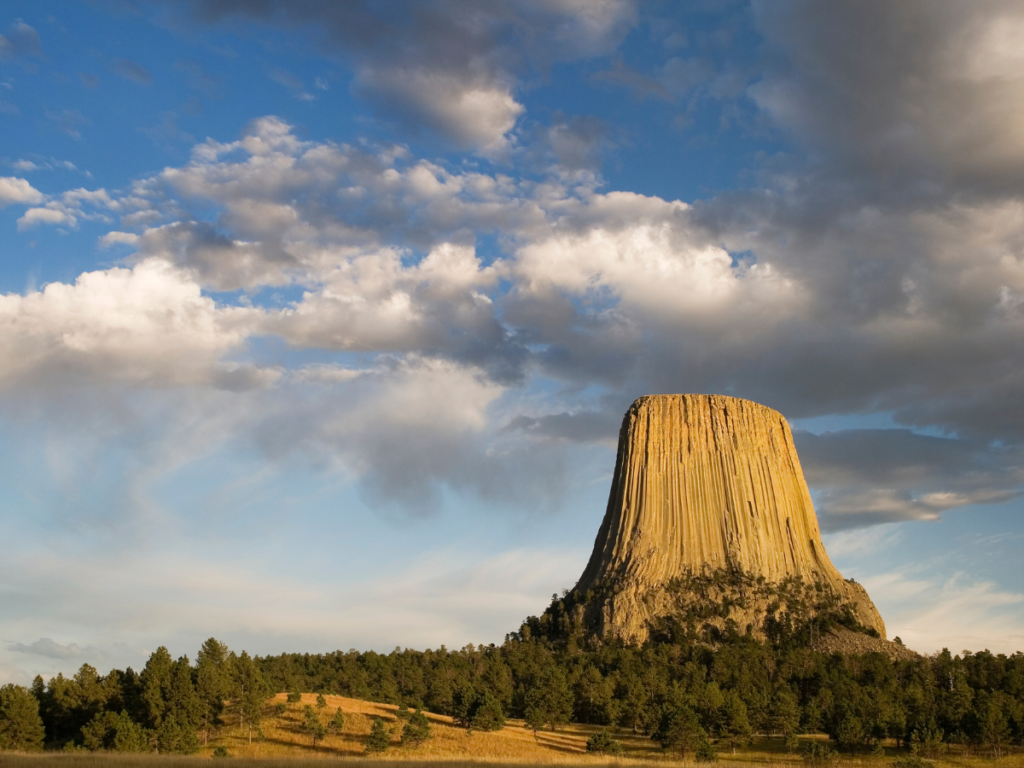
This 867-foot volcanic monolith shoots straight up from the Wyoming prairie like something from another planet.
Devil’s Tower was formed when magma cooled underground and the surrounding softer rock eroded away over millions of years.
The distinctive vertical columns make it a world-class rock climbing destination, but even from the 1.3-mile trail around its base, the scale is overwhelming.
It was America’s first national monument, designated in 1906.
14. Badwater Basin, Death Valley
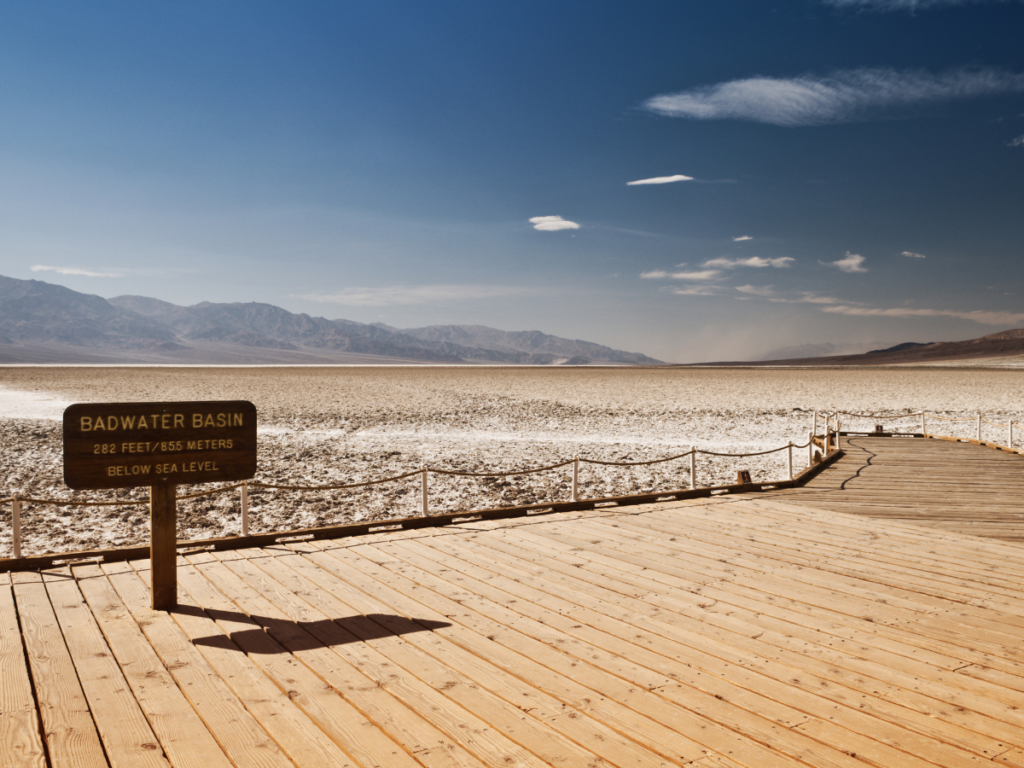
At 282 feet below sea level, Badwater Basin is the lowest point in North America.
Billions of salt crystals form surreal polygonal patterns across the valley floor, stretching toward the Black Mountains.
The salt pans look like cracked ceramic tiles or the surface of another planet.
Summer temperatures regularly exceed 120 degrees, so visit in winter or early spring.
15. Zabriskie Point, Death Valley
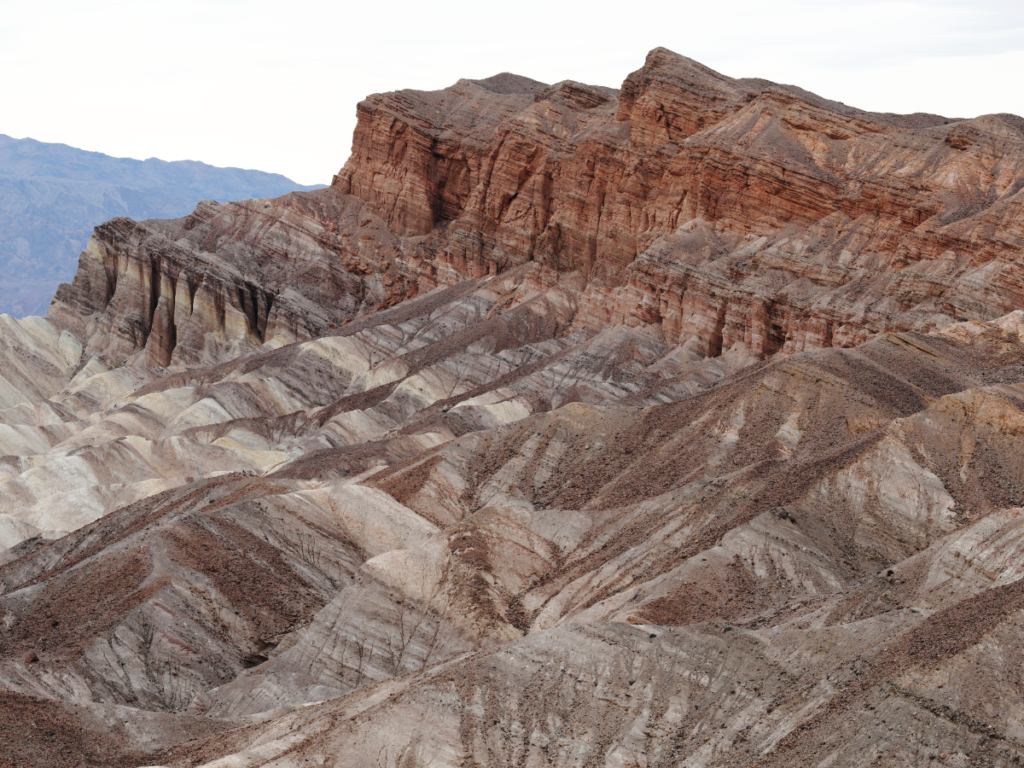
The colorful badlands at Zabriskie Point look like a painted canvas that’s been crumpled and set in the sun.
Layers of gold, pink, brown, and cream create intricate patterns across eroded hills.
The best time to visit is sunrise, when the colors become most dramatic and the shadows reveal every ridge and valley.
It’s a short walk from the parking area to the overlook, but the view belongs in a museum.
16. The Palouse, Washington
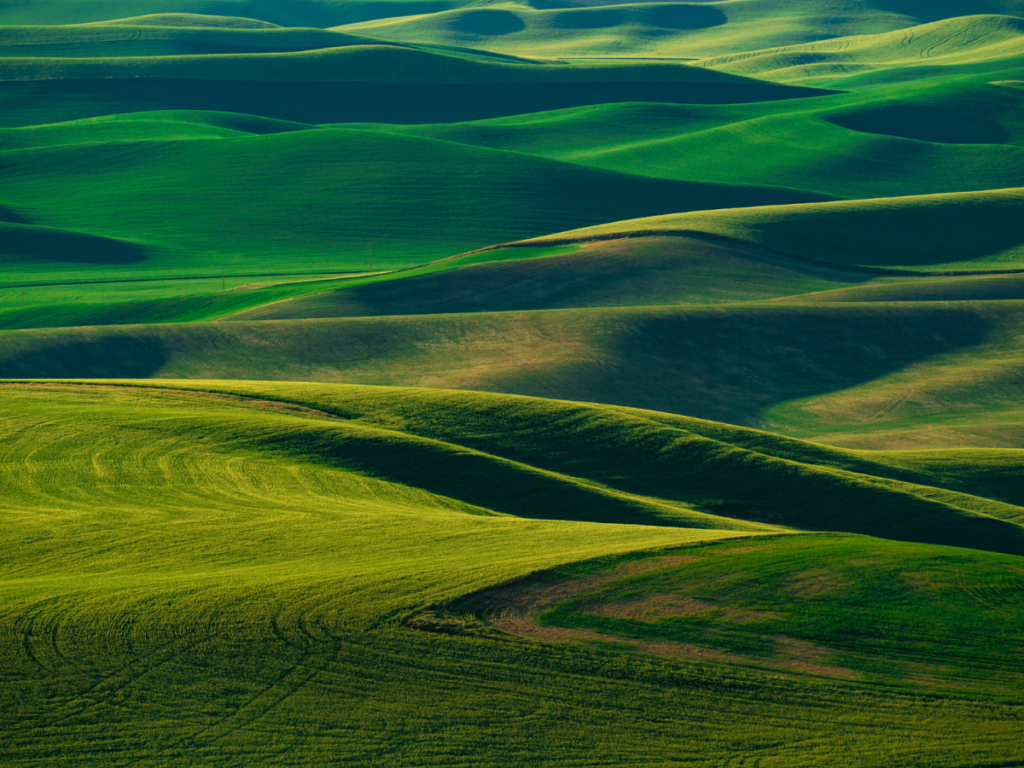
Rolling hills of wheat and farmland create patterns that look like skin stretched over a sleeping giant.
The Palouse region in eastern Washington was formed over thousands of years by wind-blown silt, creating irregular mounds that ripple across the landscape.
From elevated viewpoints like Steptoe Butte, the hills look like frozen waves in shades of green and gold.
It’s one of the most photographed agricultural landscapes in America.
17. Grand Prismatic Spring, Yellowstone
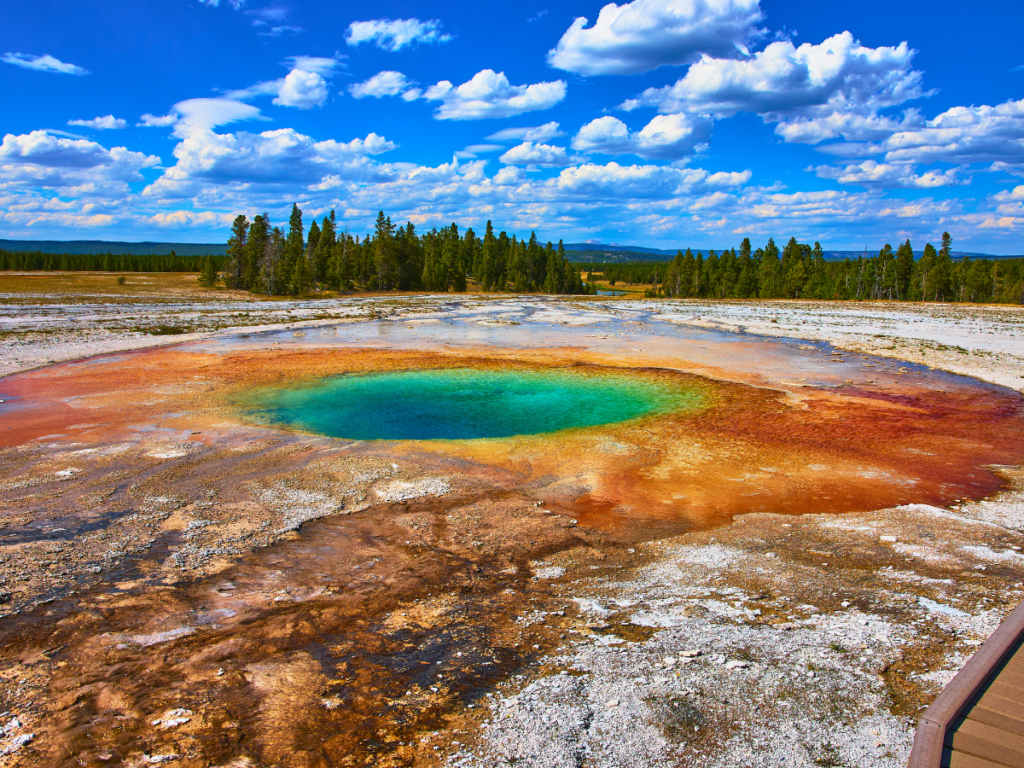
The largest hot spring in the United States looks like a giant eye staring up from the earth.
Grand Prismatic Spring measures 370 feet in diameter and 160 feet deep, with vivid bands of orange, yellow, and green radiating from a deep blue center.
The colors come from heat-loving bacteria that thrive at different temperatures around the spring’s edges.
The overlook trail provides the best view of the full rainbow effect.
18. Mendenhall Ice Cave, Alaska
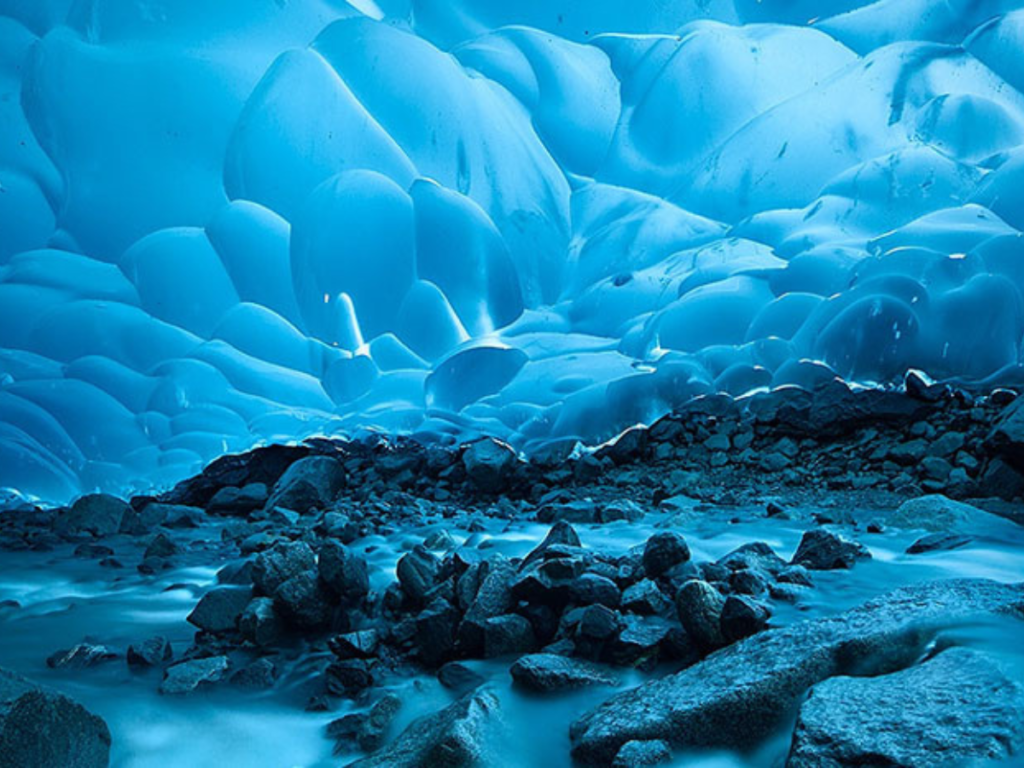
Beneath the Mendenhall Glacier near Juneau, a hollow cave glows with ethereal blue light.
The ice filters sunlight and creates an otherworldly blue glow that shifts throughout the day.
Reaching the cave requires kayaking through difficult conditions and a challenging hike, but those who make it describe the sight as life-changing.
The cave is constantly changing and may not exist in the same form for much longer as the glacier retreats.
19. The Wave, Arizona
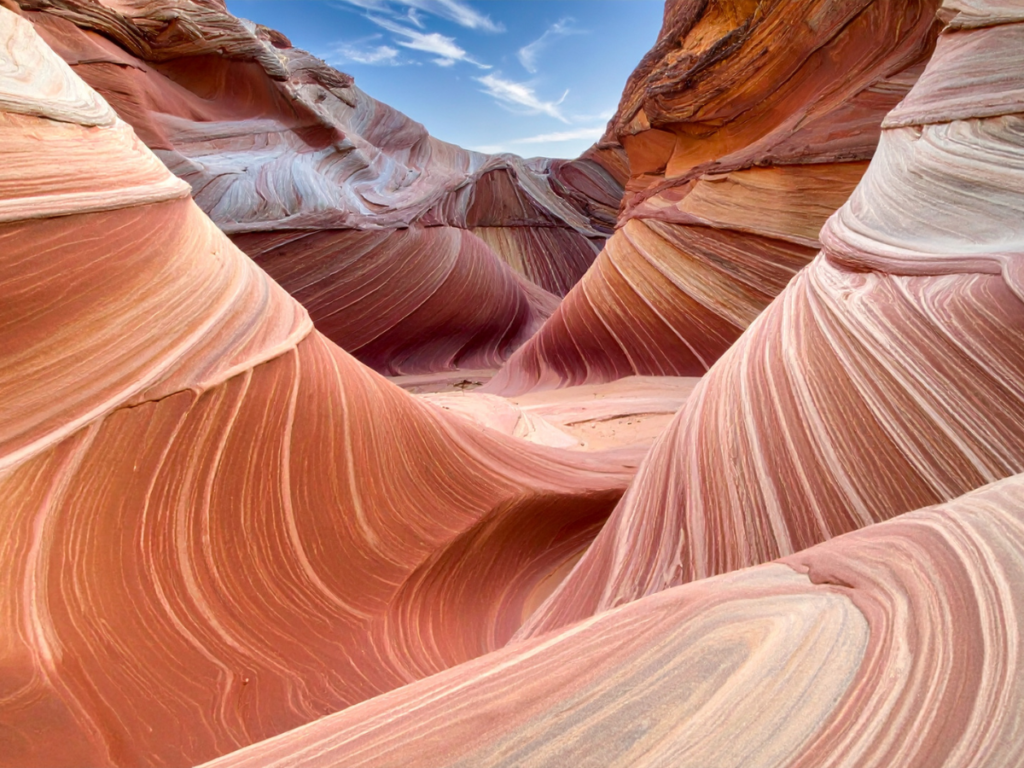
Swirling sandstone layers in reds, oranges, and yellows flow across the landscape like frozen liquid.
The Wave is located in the Coyote Buttes area of the Vermilion Cliffs Wilderness, and only 64 people per day are allowed to visit via permit lottery.
The formations were created about 190 million years ago when sand dunes turned to stone, preserving the curves and swirls of ancient windblown sand.
It’s considered the holy grail of American landscape photography.
America is weirder than you thought.
And honestly, that’s the best thing about it.
Now get out there and find something that makes you question reality.