Essential Tips for First-Time Sahara Travelers
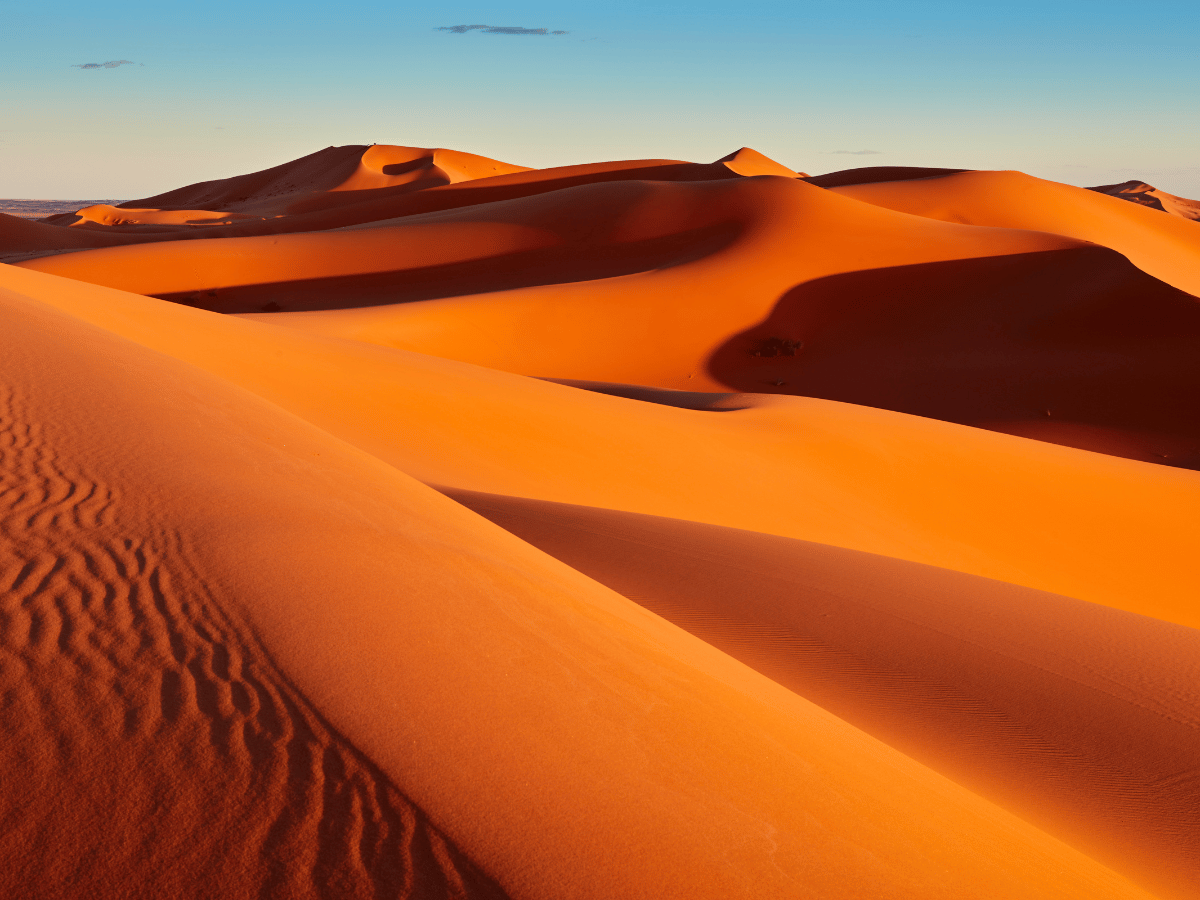
For many travelers, the Sahara Desert feels like a distant dream with golden dunes, endless skies, quiet nights, and stars that seem close enough to touch. If you are planning your first desert journey in Morocco, you’re in for something truly special. However, the Sahara is unlike any other destination. It requires a little preparation, the right mindset, and good planning to enjoy it fully.
Most first-time visitors choose a Marrakech to Merzouga tour because it offers the perfect balance of adventure, comfort, and cultural discovery. From crossing the Atlas Mountains to spending a night in the dunes, this route introduces you to Morocco’s most dramatic landscapes.
If you’re getting ready for your first Sahara experience, these essential tips will help you travel smarter, safer, and with more confidence.
Understand What the Sahara Experience Really Is
Before packing your bags, it’s important to set realistic expectations. The Sahara is breathtaking, but it is also remote, vast, and quiet. Days can be warm or hot, while nights often get surprisingly cold, especially in winter.
A desert trip is not about luxury in the usual sense. It’s about simple beauty: walking on sand dunes, riding camels at sunset, listening to Berber music by a campfire, and waking up to silence. Choosing a guided Marrakech to Merzouga tour helps first-time travelers experience this safely without worrying about routes, fuel stops, or accommodation logistics.
Choose the Right Time to Visit the Sahara
Timing matters a lot in the desert. The best months to visit the Sahara are March to May and September to November. During these periods, temperatures are more comfortable, and days are ideal for travel.
- Summer (June–August): Extremely hot, not ideal for first-time travelers
- Winter (December–February): Cooler days, very cold nights, but beautiful skies
If you’re not used to extreme climates, avoid peak summer months. A well-planned Marrakech to Merzouga tour during spring or autumn gives you the best overall experience.
2 Days vs 3 Days: Why Pace Matters More Than Price
One of the most common mistakes first-time travelers make is choosing the shortest itinerary possible.
A 2-day desert trip often means:
- 8–10 hours of driving each day
- Very limited stops
- Rushed desert time
A 3-day itinerary allows:
- Shorter daily drives
- More rest breaks
- Time to enjoy landscapes, not just pass through them
Desert travel is tiring, even when you’re excited. For most first-timers, a slower pace leads to a far better experience and less physical fatigue.
Pack Smart: What You Really Need in the Desert
You don’t need to overpack, but you do need the right items. Desert travel is about comfort and protection.
Essentials to Pack:
- Loose, breathable clothing
- A warm layer for nights
- Closed-toe shoes (sandals fill with sand quickly)
- Sunglasses and a scarf or buff for wind
- Sunscreen and lip balm
- Small flashlight or headlamp
- Personal medications (bring extra)
Often Forgotten but Important:
- Wet wipes or tissues (bathrooms are basic)
- Hand sanitizer
- Cash (ATMs are rare outside cities)
- Motion sickness tablets (mountain roads can be winding)
Avoid overpacking. Desert camps and vehicles have limited space, and you won’t need outfit changes the way you might in cities.
Know What the Journey Involves
Many first-time travelers focus only on the dunes, but the journey itself is part of the adventure. Traveling from Marrakech to Merzouga typically takes two days, with scenic stops along the way.
You’ll pass:
- The High Atlas Mountains
- Traditional Berber villages
- Ancient kasbahs like Aït Ben Haddou
- Valleys filled with palm trees and rock formations
A guided tour turns long drives into meaningful experiences, with stops for photos, meals, and short walks to stretch your legs.
Bathrooms, Showers, and Cleanliness: What to Expect
This is one of the biggest surprises for first-time Sahara travelers.
Bathrooms along the route are basic, especially in rural areas. You may encounter squat toilets or shared facilities. Toilet paper is not always provided, so carrying tissues or wipes is essential.
Desert camps vary. Some have private bathrooms, while others offer shared ones. Showers may use limited water or only be available at certain times.
Lower expectations here, and you’ll be much more comfortable mentally.
Camel Trekking: What to Expect
Camel rides are often short but memorable. For most people, the ride lasts between 45 minutes and 1.5 hours.
Camels move slowly but unevenly. Sitting can feel awkward at first, and mounting or dismounting requires balance. Long pants help prevent chafing.
If you have back, knee, or balance issues, communicate this clearly before your trip. Walking or vehicle alternatives are sometimes available.
Also, pay attention to how animals are treated. Ethical operators prioritize camel welfare, limit ride duration, and avoid overloading animals.
Desert Camps: Comfort in the Middle of Nowhere
Many travelers worry about accommodation in the desert, but modern desert camps are surprisingly comfortable. Depending on your choice, camps may offer:
- Private tents
- Real beds with blankets
- Shared or private bathrooms
- Traditional Moroccan meals
- Campfire music under the stars
Don’t expect hotel-style luxury, but expect warmth, hospitality, and unforgettable atmosphere. Nights in the Sahara are often the most memorable part of the tour.
Wind, Sand, and Weather: What No One Warns You About
Desert wind can be strong, especially in open dune areas. Sand can irritate eyes, skin, and electronics.
Helpful tips:
- Carry a scarf to cover your face
- Protect cameras and phones with zip bags
- Use eye drops if you have sensitive eyes
These small preparations can make a big difference in comfort.
Food, Water, and Staying Healthy
Meals are usually simple but filling—tagines, bread, vegetables, and tea. Let your guide know about dietary needs in advance.
Hydration is critical, even when it doesn’t feel hot. Sip water regularly instead of waiting until you’re thirsty.
Bring basic medications:
- Motion sickness tablets (mountain roads can be rough)
- Pain relievers
- Personal prescriptions
- Electrolyte packets
Small health issues feel bigger in remote places, so preparation matters.
Respect Local Culture and Traditions
The Sahara is home to Berber communities with deep traditions. Respect goes a long way and enhances your experience.
Simple tips:
- Dress modestly
- Ask before taking photos of people
- Learn a few basic greetings
- Be polite and patient
Many guides enjoy sharing stories about desert life, music, and history. Listening and engaging respectfully make your journey more meaningful.
Don’t Rely on Internet or Mobile Signals
Connectivity in the Sahara is limited. In many areas, there is no signal at all, and that’s part of the magic.
Download maps, travel documents, and important contacts in advance. Let friends or family know you’ll be offline for a while. Most travelers find the digital break refreshing during their Morocco tour.
Photography Tips for the Sahara
The desert is a photographer’s dream, but lighting changes quickly.
Best times for photos:
- Early morning
- Golden hour before sunset
- Blue hour after sunset
Protect your camera or phone from sand using a small pouch or cover. And remember, sometimes it’s better to put the camera down and just enjoy the moment.
Choose a Trusted Tour Operator
For first-time travelers, this is one of the most important decisions. A reliable operator ensures safety, comfort, and a smooth experience from start to finish.
Look for tours that include:
- Experienced local guides
- Clear itineraries
- Good reviews
- Transparent pricing
A well-organized Morocco tour operator like Morocco Tours Agency removes stress and allows you to focus on enjoying the journey instead of worrying about logistics.
Your First Sahara Trip Will Stay With You Forever
Traveling to the Sahara for the first time is more than a trip; it’s a personal experience. The silence, the space, and the simplicity leave a lasting impression that photos can’t fully capture.
With the right preparation, an open mind, and a thoughtfully planned Marrakech to Merzouga tour, even first-time desert travelers can feel confident and comfortable. Take your time, stay curious, and let the desert teach you something new.
The Sahara doesn’t rush, and neither should you. Just get lost in the vastness of the Sahara.


