What Every Climber Needs to Know Before Attempting K2
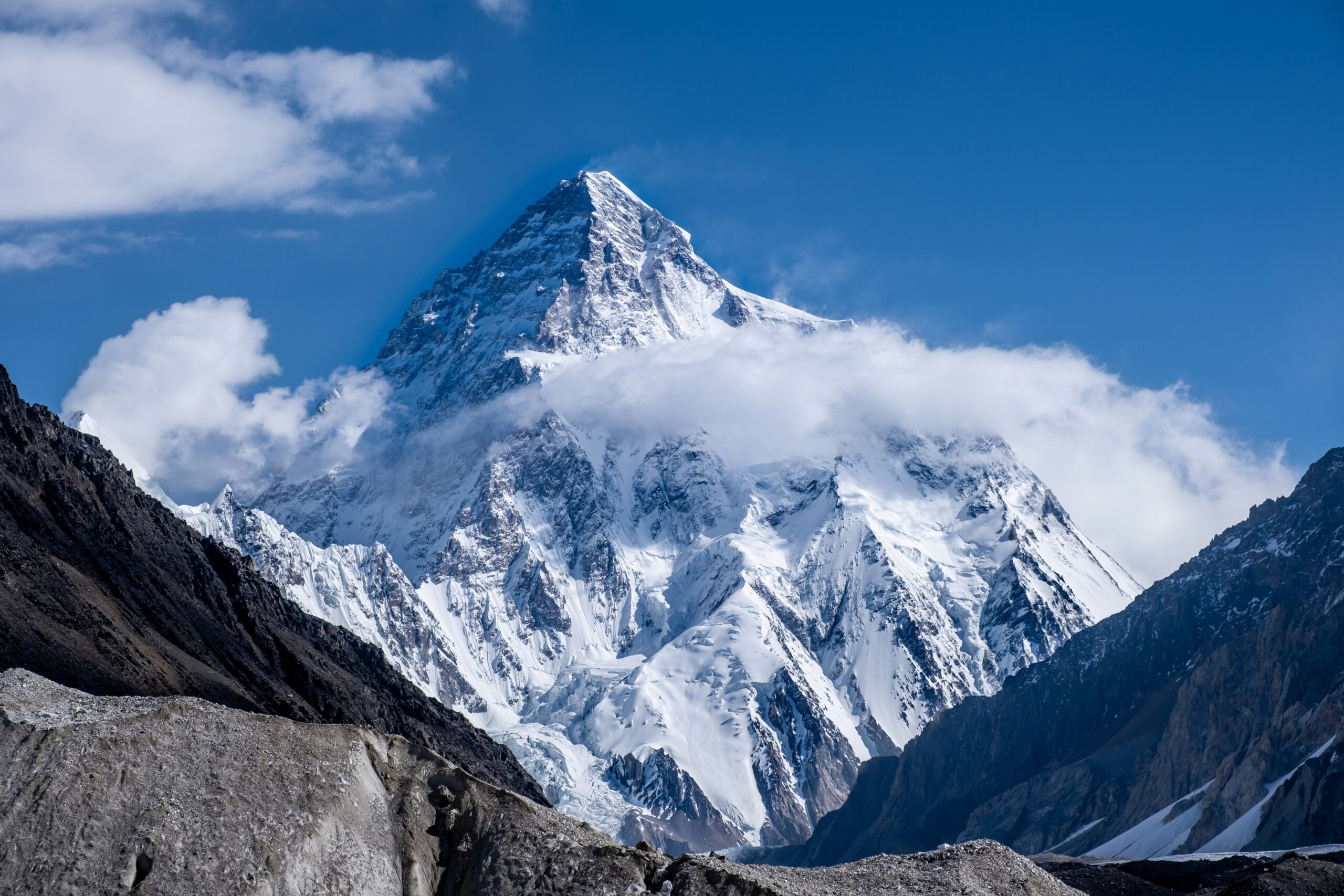
K2 is the second highest mountain on Earth at 8,611 meters, but by many measures it is the most demanding peak in the world.
Located on the border of Pakistan and China in the Karakoram range, K2 has a summit success rate of roughly 25 percent and has claimed the life of approximately one climber for every four who have reached the top.
Before setting foot on its slopes, every aspiring climber must understand precisely what they are committing to.
Anyone planning a serious attempt should study a detailed K2 climb guide before making any logistical commitments.
The Technical Demand
Unlike many high-altitude objectives, K2 offers no straightforward route to the summit. The standard line, the Abruzzi Spur, involves sustained technical climbing on rock, ice, and mixed terrain from the very first day above base camp. The infamous Bottleneck, a narrow couloir at approximately 8,200 meters situated directly beneath a massive hanging serac, is the most dangerous section of the climb. A collapse of this ice feature in August 2008 killed eleven climbers in a single event. The hazard cannot be eliminated, only managed with speed and sound judgment during the summit push.
Prerequisites and Experience
No reputable expedition operator or permit authority will work with a climber who lacks a serious high-altitude track record. At a minimum, prospective K2 climbers should have summited at least two or three 8,000-meter peaks, with demonstrated experience on technical mixed routes, proficiency with fixed ropes and ascenders, and the ability to navigate in full whiteout conditions. These are not recommendations but practical requirements for survival at this level of alpinism.
Permits and Access
K2 climbing permits are issued by the Pakistan Alpine Club for the southern approach, which is by far the more popular and well-documented route. Permit costs vary and must be secured well in advance of the primary climbing season, which runs from June through August. The approach trek from Askole to base camp at 5,000 meters takes approximately eight days on foot and is itself a demanding undertaking that requires proper planning and physical conditioning before arrival.
Acclimatization and Camp Structure
A typical K2 expedition lasts between 60 and 70 days. The opening weeks are devoted to establishing and stocking camps at progressively higher elevations while completing multiple acclimatization rotations between base camp and the upper mountain. Rushing this phase dramatically increases the risk of acute mountain sickness, high-altitude pulmonary edema, or high-altitude cerebral edema, any of which can be fatal if not recognized and treated without delay.
Weather and Summit Windows
K2 receives far fewer stable weather windows than peaks in the central Himalaya. Expeditions routinely wait at base camp for multiple weeks before conditions align sufficiently for a summit attempt. The usable window is typically 24 to 48 hours, and conditions can deteriorate with very little advance warning. Teams depend on specialist meteorologists for precise daily forecasts during the critical summit period, and must be willing to abandon a bid even when the summit feels close.
Decision-Making at Extreme Altitude
Above 8,000 meters, cognitive function degrades significantly due to oxygen deprivation. Decisions that would be routine at sea level become genuinely difficult under hypoxia, which is exactly why pre-agreed turnaround times and clear team protocols must be established well before the summit bid begins. The mountain will always be there the following season. Pre-set boundaries and a culture of honest communication within your team are among the most important safety factors on any 8,000-meter expedition.
K2 demands the highest standards of preparation, experience, and judgment. Approach it with humility, build your experience systematically across multiple seasons, and commit to an attempt only when your track record genuinely justifies the risk.