Everyone Talks About Big Sur — But This California Coastline Is Just as Stunning
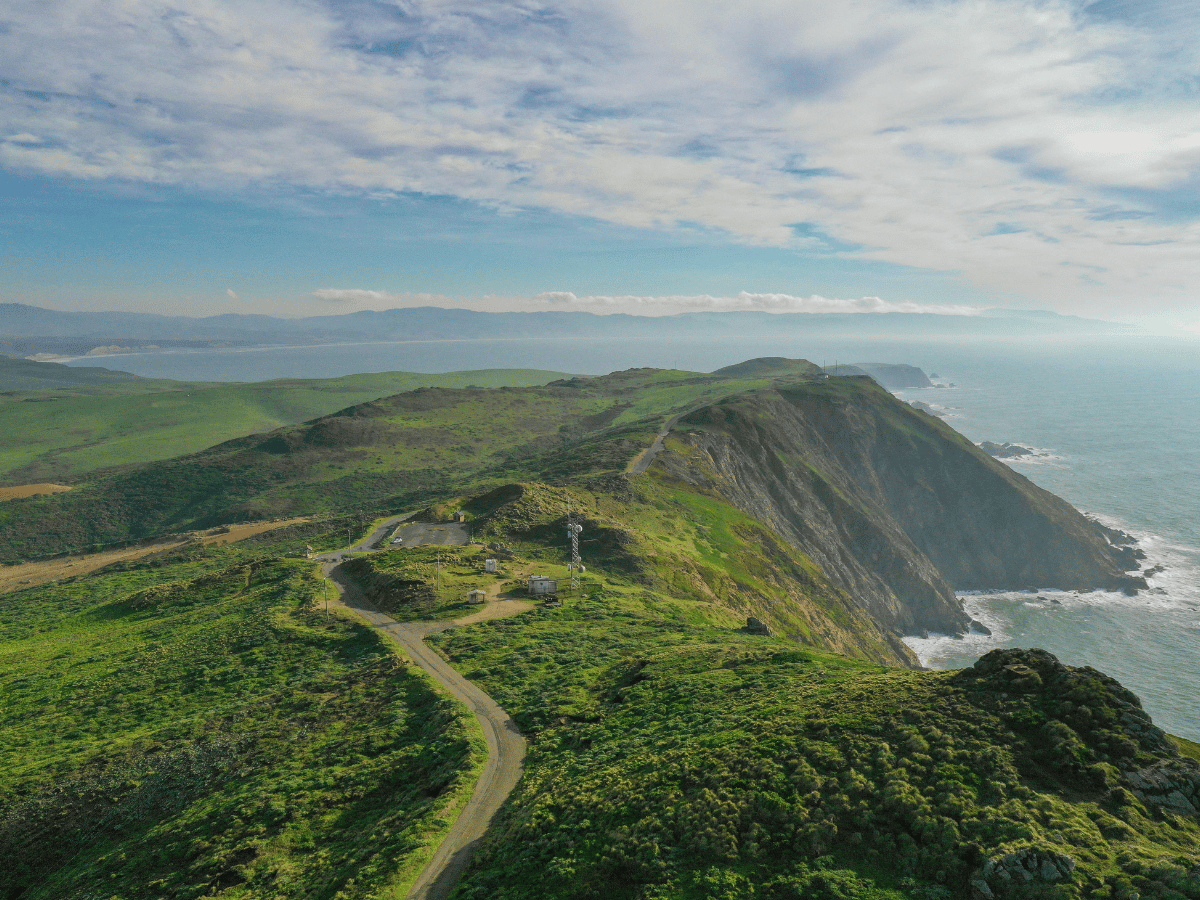
You’ve heard about Big Sur.
The iconic Bixby Bridge photos, the cliffside views, the Pacific crashing against impossibly rugged terrain.
It’s earned every bit of its fame.
But California has over 800 miles of coastline.
And some of the most breathtaking stretches are places most travelers have never even heard of…
1. The Mendocino Coast
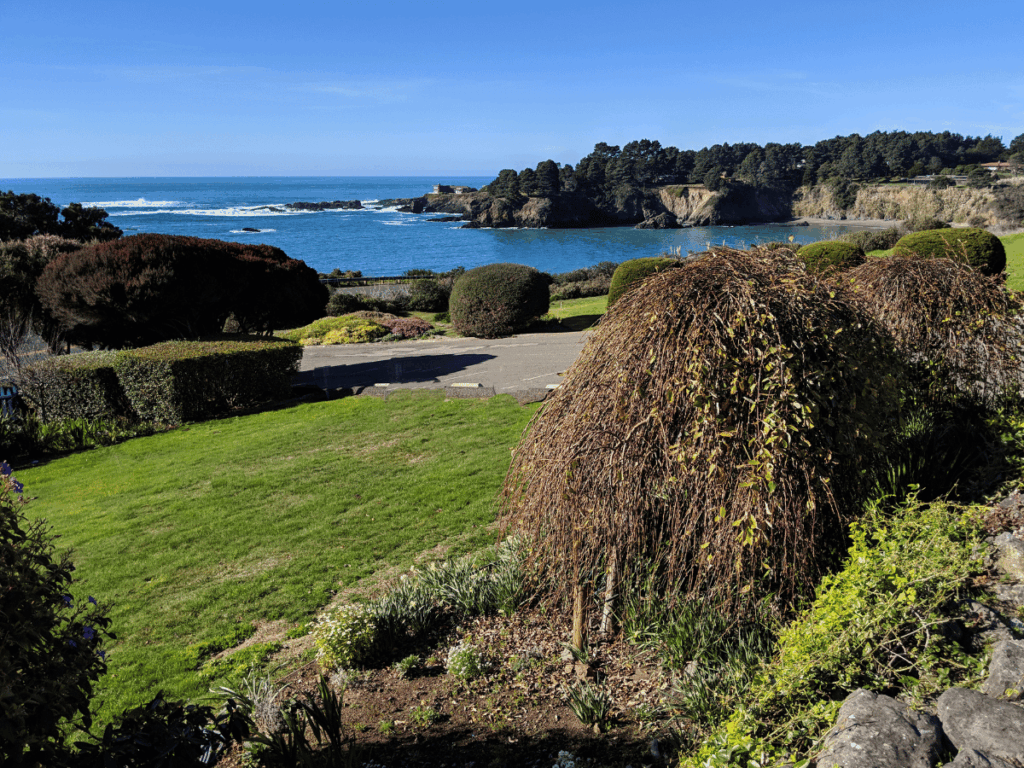
Three hours north of San Francisco, the coastline transforms into something wilder and more remote than anything in the central part of the state.
The village of Mendocino itself looks like it was transplanted from New England, with Victorian buildings perched on headlands above dramatic sea caves and natural arches.
Mendocino Headlands State Park offers miles of blufftop trails with views that rival Point Lobos, Big Sur’s famous neighbor.
Russian Gulch State Park even has its own Bixby-style bridge, plus a 36-foot waterfall hidden in a fern-draped canyon just a short hike from the road.
2. The Lost Coast
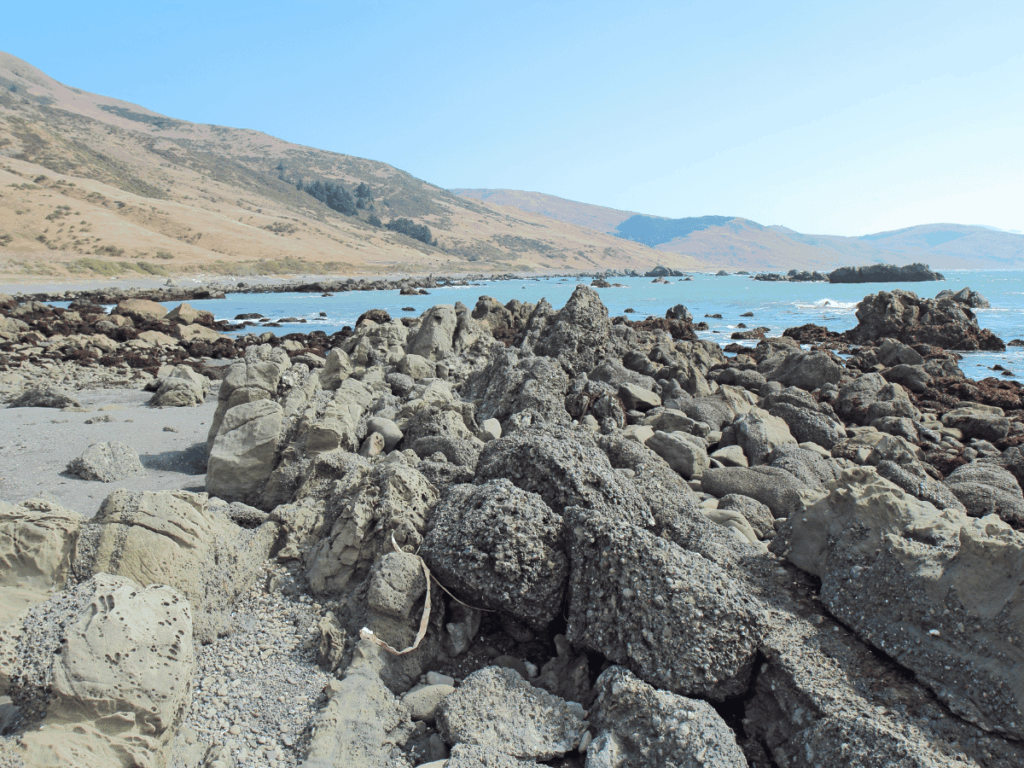
California’s most remote coastline exists because the terrain was too rugged to run Highway 1 through it.
The Lost Coast stretches for nearly 80 miles along the King Range in Humboldt County, where the mountains plunge directly into the Pacific.
The 28-mile Mattole Road from Ferndale is known locally as “The Wildcat” and features sweeping cliffside views that rival anything Big Sur offers.
Black sand beaches, lighthouse ruins, and the feeling that you’ve reached the actual edge of the world await anyone willing to make the detour.
3. Sonoma Coast State Park
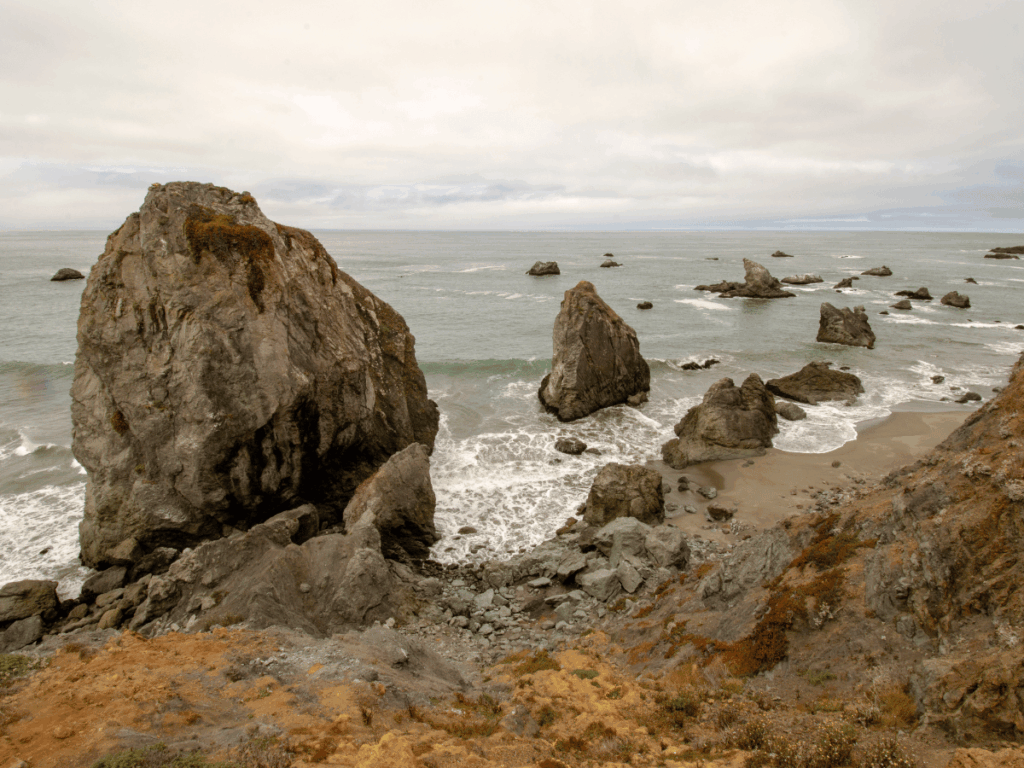
This 17-mile stretch of coastline between Bodega Bay and Jenner is one of California’s most underrated coastal gems.
Rocky headlands alternate with sandy coves, creating a constantly changing landscape as you drive Highway 1 north from the bay.
Goat Rock Beach sits at the mouth of the Russian River, where harbor seals haul out on the sand and waves crash through natural arches in the cliffs.
From December through April, Bodega Head becomes one of the best whale-watching spots on the entire West Coast.
4. Point Reyes National Seashore
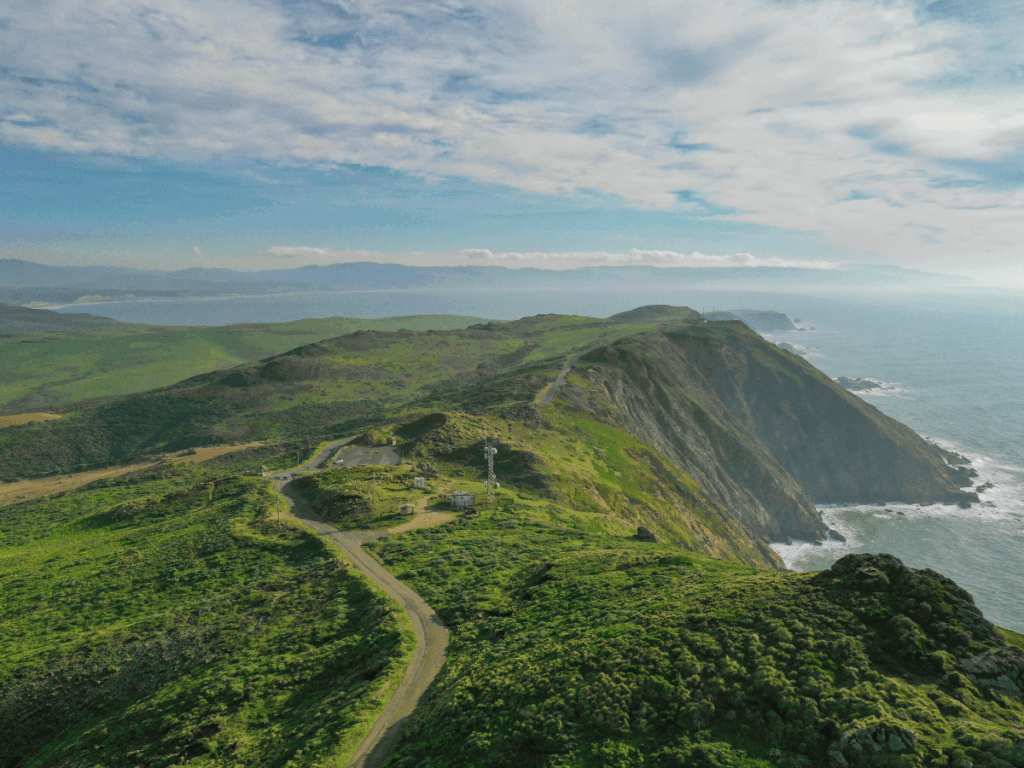
An hour north of San Francisco, an entire peninsula exists that feels like it belongs in another country.
Point Reyes sits on the Pacific Plate, separated from the rest of California by the San Andreas Fault, which is why the landscape here feels so different.
The historic Point Reyes Lighthouse perches on dramatic cliffs where you can watch gray whales during migration season.
Tule elk roam the grasslands, elephant seals crowd the beaches, and fog rolls through in ways that make every photo look like a painting.
5. The Sonoma and Mendocino Wine Coast
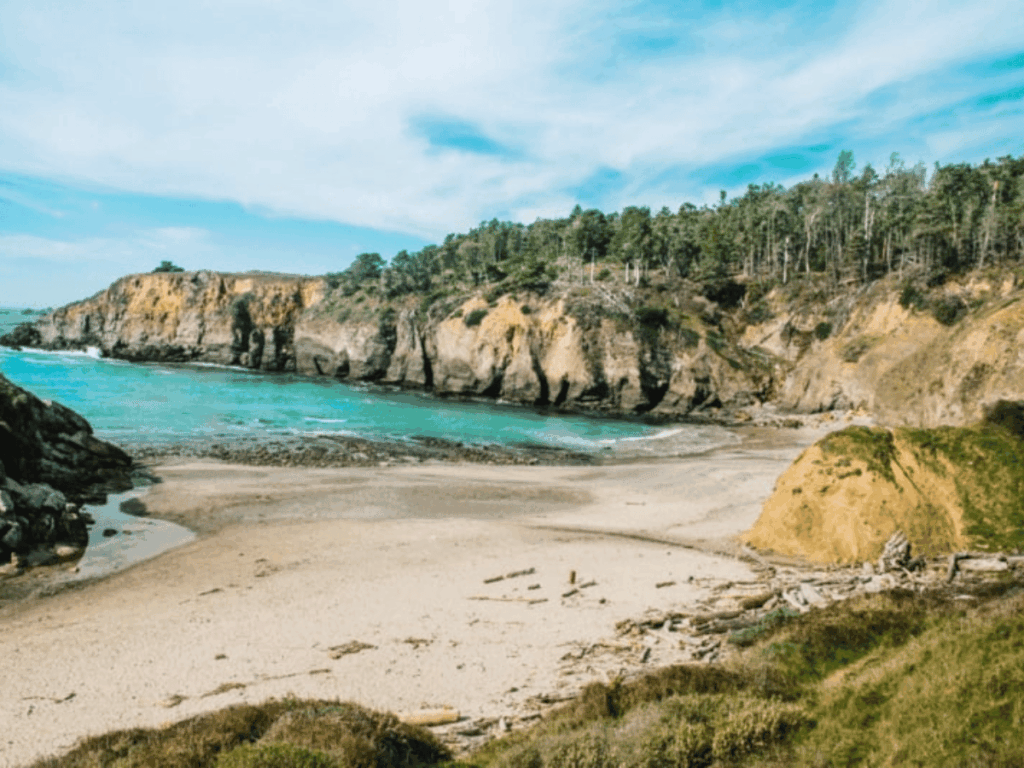
Highway 1 between Jenner and Fort Bragg winds through some of the most scenic coastal driving in America.
Sea stacks rise from the surf, hidden coves appear around every bend, and tiny towns like Gualala and Anchor Bay offer places to stay that feel worlds away from the busier stretches down south.
Point Arena Lighthouse stands 150 years old on a rugged headland, one of the few lighthouses in California you can actually climb.
Just south of it, Bowling Ball Beach reveals rows of spherical boulders at low tide that look like some ancient giant’s marble collection.
6. Shelter Cove and the King Range
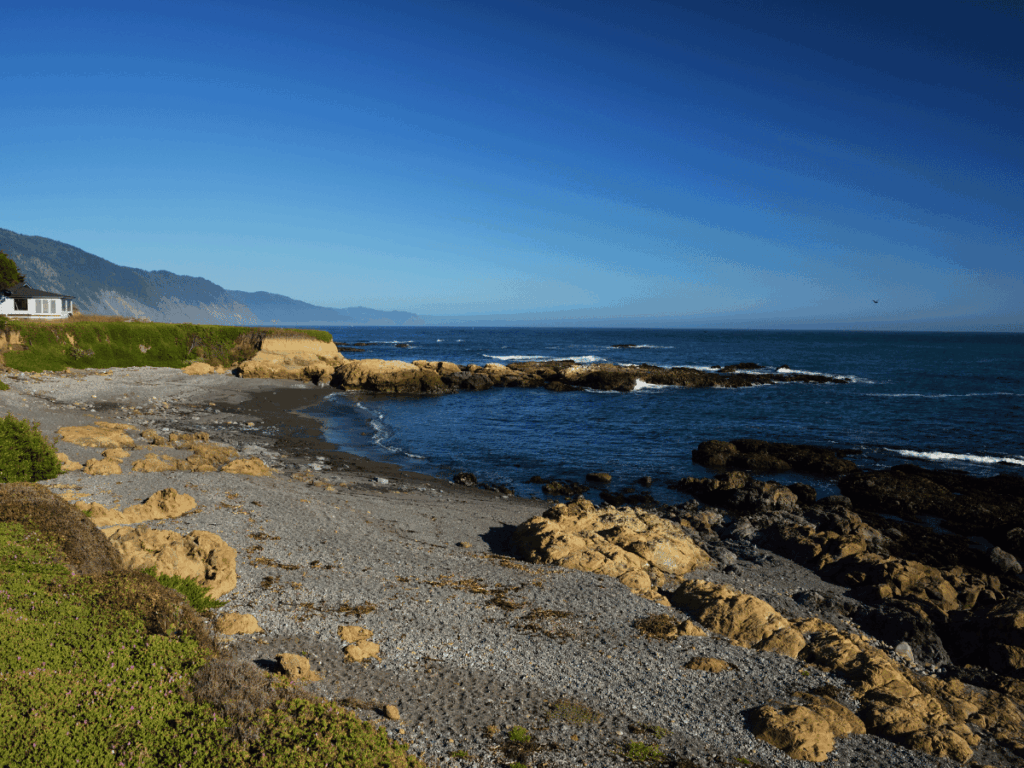
This might be the most remote town on the California coast that you can actually drive to.
Shelter Cove sits at the southern edge of the Lost Coast, accessible only by winding mountain roads that drop 4,000 feet to sea level.
Black sand beaches stretch in both directions, the Cape Mendocino Lighthouse stands relocated nearby, and a single brewery claims the title of most remote in California.
The 24-mile Lost Coast Trail begins here, but even a short walk on the beach delivers views you’ll never forget.
7. The Redwood Coast
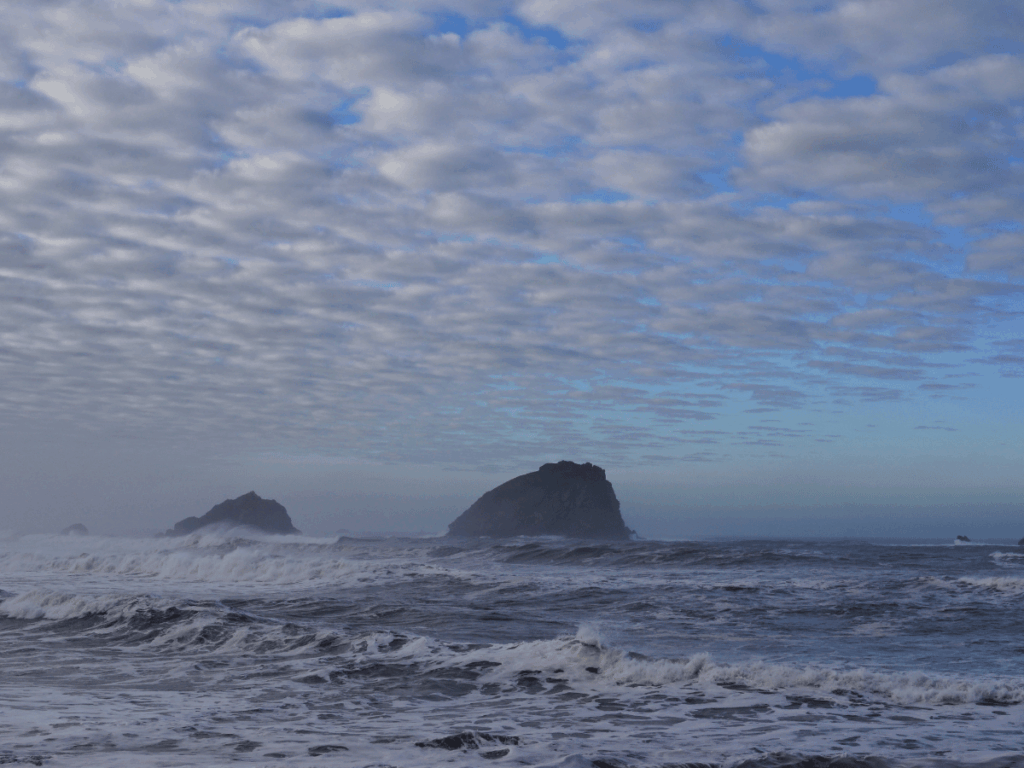
Where the redwoods meet the sea in Del Norte and Humboldt Counties, the coastline takes on a misty, primeval quality.
Fern Canyon, made famous by Jurassic Park 2, sits just inland from Gold Bluffs Beach, where Roosevelt elk graze on the sand.
The Newton B. Drury Scenic Parkway winds through old-growth redwoods before the forest gives way to rugged coastal bluffs.
This is where California feels the most ancient, where fog and forest and ocean blend into something almost mystical.
8. Glass Beach at Fort Bragg
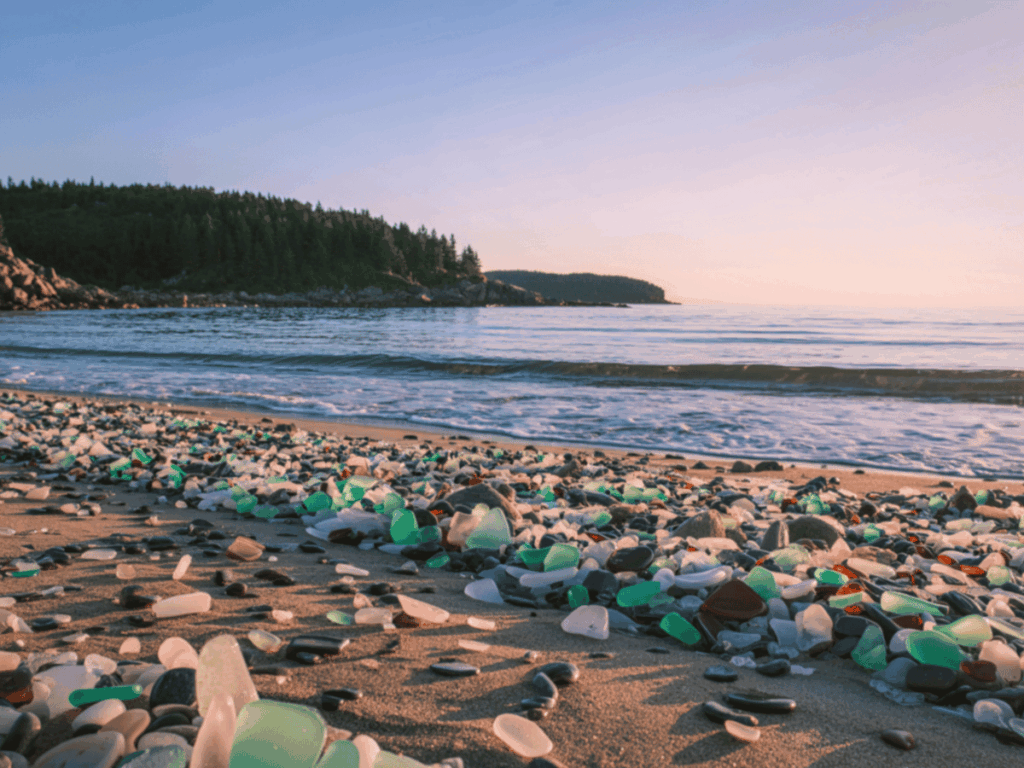
Sometimes the most memorable places come from unusual origins.
Glass Beach sits on a former dump site where decades of wave action transformed discarded bottles into smooth, colorful sea glass.
Today the beach sparkles with green, brown, and blue glass mixed with the sand and pebbles, creating a shoreline unlike anywhere else on the coast.
It’s a strange kind of beauty, but beauty nonetheless, and it draws visitors from around the world to this working-class town.
Big Sur will always be iconic.
But the California coast holds enough beauty for a dozen lifetimes of exploration.
The stretches north of San Francisco are waiting for everyone willing to keep driving.