5 Tips For Finding The Best Hiking Boots For You
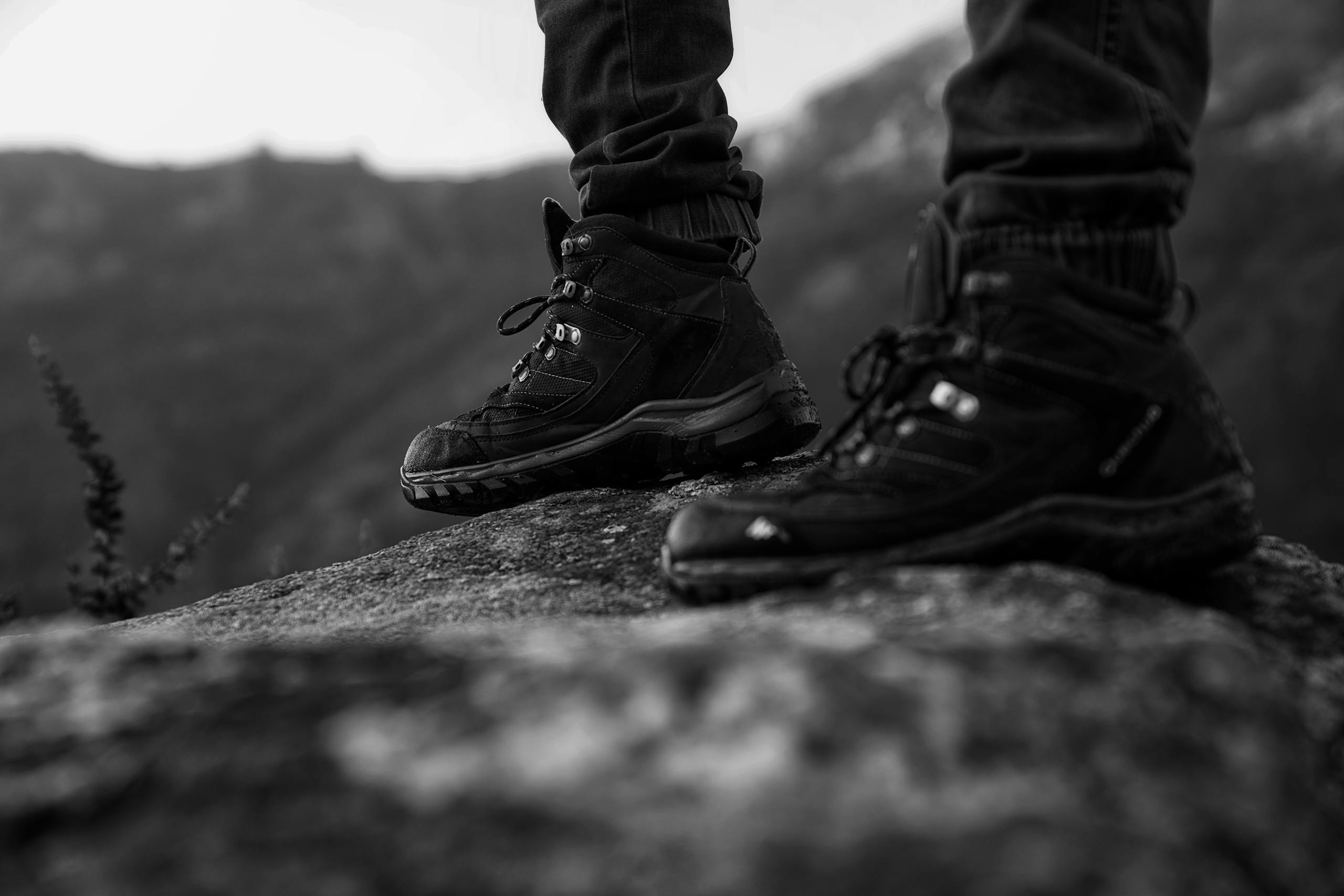
If you’re heading into the wild beauty of Big Sur and beyond, your hiking work boots matter just as much as your trail map. This region throws everything at hikers: dramatic cliffs, misty redwood forests, coastal ridgelines, and terrain that changes without warning. Whether you’re tackling the steep switchbacks of the Pine Ridge Trail or navigating river crossings in the Ventana Wilderness, your boots are what keep you moving safely.
Key Considerations When Purchasing Hiking Boots
A good boot does more than cushion your feet. It protects your entire body. Solid ankle support and traction prevent rolled ankles on rocky descents. Good cushioning and arch support take pressure off your knees and lower back. In wet conditions, waterproofing and slip-resistant soles can be the difference between a confident step and a dangerous fall. Over time, quality boots help you avoid chronic problems like plantar fasciitis, shin splints, and joint pain.
On the other hand, wearing the wrong boots can ruin your hike or worse. Blisters, pinched toes, and soaked socks can turn a beautiful day hike into a miserable experience. Poor traction or weak ankle support can lead to slips and twisted ankles, especially when you’re miles from the nearest trailhead. That’s why choosing boots built for both endurance and terrain-specific protection matters. You’re not just buying footwear. You’re investing in your ability to finish the hike comfortably and safely.
1. Choose Boots Based on Terrain
When hiking at the best places to visit in the USA, your trail should determine your boot type. For maintained, dry trails like the Bluffs Trail at Andrew Molera State Park, lightweight hiking shoes work fine. But steeper or rockier routes like Cone Peak Trail demand more ankle support, aggressive tread, and midsoles that absorb impact.
Here’s a quick guide:
- Flat, groomed trails: Trail runners or light-cut hiking shoes
- Rocky, muddy, or wet conditions: Mid to high-cut hiking boots with solid ankle support
- Backpacking with a heavy pack: Full boots with reinforced soles
According to the National Park Service, thousands of hiking injuries each year come from falls or sprains. Proper footwear prevents many of them.
2. Focus on Fit First
A boot that doesn’t fit right causes blisters, foot pain, and even long-term joint damage.
Look for these three things:
- Locked-in heel: Prevents slipping and blisters
- Snug midfoot: Keeps your foot stable while moving
- Roomy toe box: Stops your toes from jamming on downhill stretches
The American Orthopaedic Foot & Ankle Society reports that poorly-fitting shoes contribute to conditions such as plantar fasciitis, bunions, and nerve issues. Trying multiple sizes or widths often makes the difference between comfort and misery.
If you’re buying online, measure both feet and check the brand’s sizing guide carefully. Some brands run narrow. Others offer wide versions. Most adults have feet that differ slightly in size, so fit to your larger foot and adjust the other with thicker socks or insoles if needed.
3. Understand Boot Construction
How a boot is built determines how long it lasts and how well it performs.
- Upper materials
- Full-grain leather: Tough and naturally water-resistant. Best for rugged, wet conditions.
- Synthetic mesh or nylon: Lighter and more breathable. Better for warm, dry hikes.
- Midsoles
- EVA (Ethylene Vinyl Acetate): Softer and flexible. Good for day hikes where weight matters.
- Polyurethane (PU): Firmer and more durable. Better for multi-day trips or heavy packs.
- Outsoles
- Look for deep, multidirectional lugs made from grippy rubber. This gives you traction on loose dirt, wet rocks, and steep slopes.
According to Consumer Reports, boots with stitched soles outlast glued ones, especially in wet and rough conditions.
4. Break in Your Boots Before the Trail
Even great boots feel uncomfortable if you wear them straight to the trailhead. Breaking them in lets the boots mold to your foot and reduces the risk of blisters.
Start by wearing them around the house for 30 to 60 minutes a day. Walk on different surfaces and gradually increase how long you wear them. Take short hikes with a loaded pack to see how they feel under real conditions.
You should track at least 10 miles of use before tackling serious hikes. This matters even more with stiff leather models or firm midsoles. For longer treks, start breaking them in a few weeks ahead. Test your socks, lacing methods, and different terrains to catch pressure points early.
5. Consider Waterproofing and Foot Support Features
Your environment and feet determine which features you need most.
Waterproofing
- Waterproof membranes (like Gore-Tex or eVent): Breathable and water-resistant. Essential for foggy or rainy trails in Big Sur.
- Mesh uppers without waterproofing: Better airflow in hot, dry climates, but they soak through quickly in mesh conditions.
Support Features
- Reinforced midsoles and shanks: Improve stability on uneven ground.
- Removable insoles: Let you swap in custom orthotics or better footbeds.
Good arch and heel support helps if you overpronate or have flat feet. If you hike year-round, look for boots rated for snow traction and cold weather. Many hybrid hiking work boots include a steel shank and slip-resistant outsole, making them suitable for winter conditions.
When to Replace Hiking Boots
Even the best boots wear out. Most last between 500 to 1,000 trail miles, depending on materials and how hard you use them. Sweat, friction, and rough terrain gradually break down the cushioning and tread.
Replace your boots when:
- The tread is worn smooth or nearly flat
- The midsole feels compressed with no cushioning left
- The upper shows cracks, splits or deep creases
- You start getting foot pain that you didn’t have before
According to Backpacker Magazine, worn boots are a leading cause of chronic foot strain and trail injuries, even among experienced hikers.
Final Thoughts
Choosing hiking boots isn’t about trends. It’s about understanding your feet, your terrain, and what you actually need. The best places in California and beyond deserve to be explored comfortably, not painfully. Take the time to research your options and test your boots before you hit the trail. The right pair will carry you farther and with more confidence.


