Top Hiking Trails in Asia Every Adventurer Should Experience
Asia probably comes to mind when considering the most difficult places to hike, and that won’t stop most in the world from trying because Asia has the most difficult mountains to hike, the most difficult snow-covered peaks, and most difficult volcanic cliffs. Preparation and planning ahead is a must when trying to hike the challenging trails in Asia.
Before anything else, and because Asia is a challenger in traveling for safety, planning is making sure you have reliable travel insurance to Asia that covers: altitude sickness, medical emergencies, ruined trips, and evacuation, if that becomes a necessity.
Many hikes here are stunning, but most of Asia remains remote, and getting rescued from remote hikes is nothing less than exorbitantly expensive. Nature and the wilderness won’t be kind, so it’s important to have insurance and know that it’ll be there for you in case you have to face a serious situation in the wild.
Everest Base Camp, Nepal
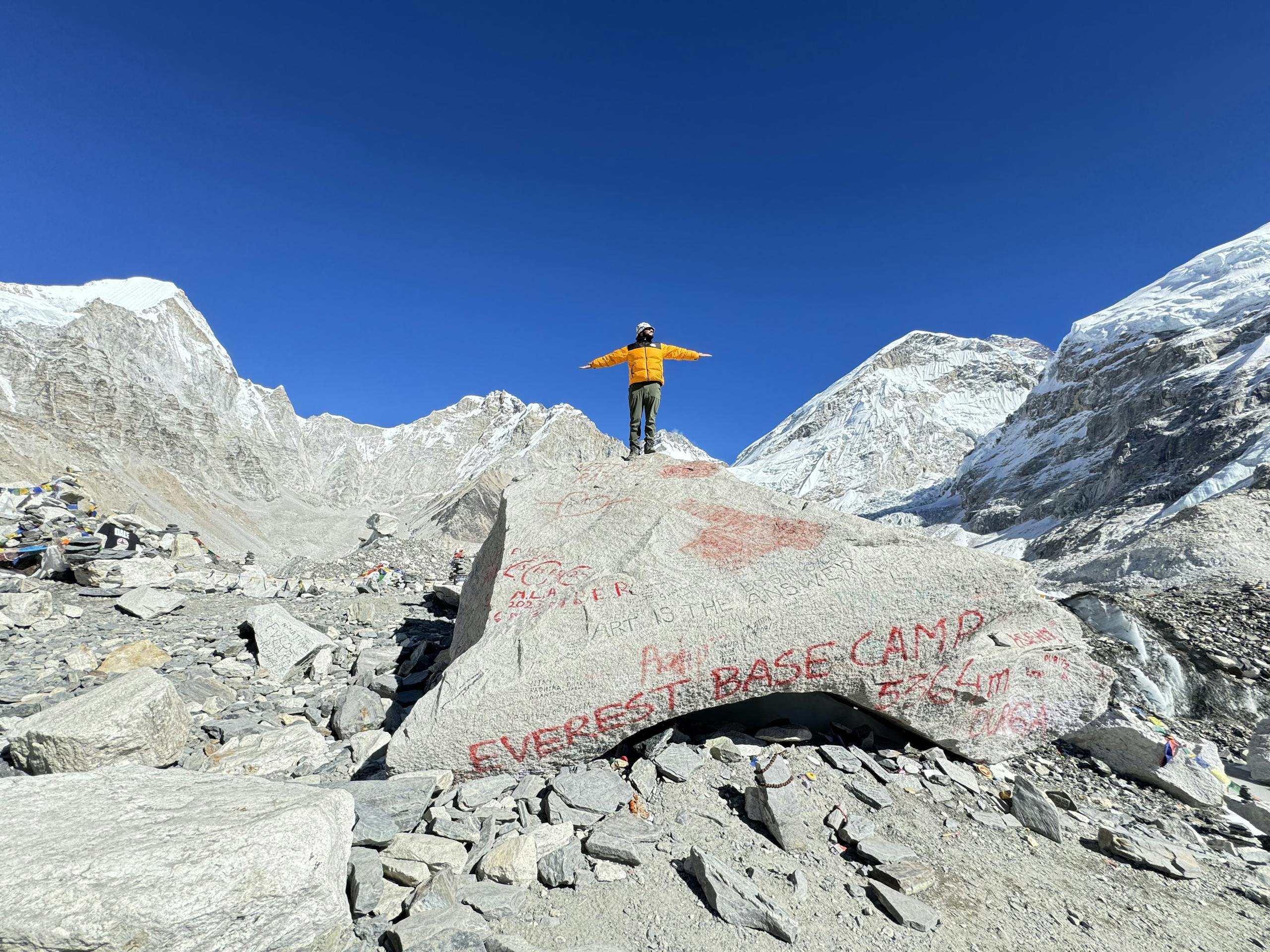
For every serious hiker, Everest Base Camp is a must on every serious hiker’s bucket list. For Everest Base Camp, most serious hikers spend 2 weeks. They spend that time climbing to an elevation of 5,364 meters and getting further and further acclimated to the elevation and the culture of the sherpas. This is most definitely a hike but in all honesty, it’s so, so much more for the trekkers that go on this deep cultural expedition.
The trail goes through Namche Bazaar and crosses multiple suspension bridges and trails covered in prayer flags. You get amazing views of Everest every morning and it’s even more pretty at sunrise. When you reach base camp, you don’t feel like you just completed another trek, but like you joined the community of globetrotters who have really achieved something special.
Preparation tips:
- Endurance over speed: think about long hikes with elevation gain.
- Slow climbs and rest days are really important.
- Be prepared for freezing nights and hot days.
- Altitude sickness is a real thing, get insurance that covers helicopter evacuation.
Mount Fuji, Japan
Mount Fuji is a national icon and is considered a spiritual mountain. You can climb it in Summer (July-September) when the weather is nice. The most popular thing is the night hike for sunrise, called “Goraiko,” and it’s very pretty. The rising sun above the clouds is a really nice sight.
Anyone with an intermediate hiking skill level can try hiking Mount Fuji, but don’t go in fully confident. Fuji has volcanic terrain that can be very slick, especially when going downhill. There are many food stalls, rest stations, and mini shelters on the mountain.
Once you are done hiking Fuji, I recommend that you go relax in one of the nearby onsen (hot springs). There isn’t anything like looking back on a conquered mountain and appreciating geothermal activity as you soak sore muscles in hot springs.
Tiger Leaping Gorge, China
This gorge is located in the Yunnan province of China. It goes in between the Jade Dragon Snow Mountain and the Haba Snow Mountain. The fast moving Yangtze River lies beneath the gorge. The trip on the trail takes about two days and has very narrow cliff paths that provide incredible views. There are also small guest houses and inns located in some areas of the gorge.
There is a legend that this gorge is called the Tiger Leaping Gorge because a tiger once escaped from a hunter by jumping across the gorge. Once you get to the gorge, you will understand why this tiger has a very high fitness level.
Info The Tiger Leaping Gorge Trail:
- The trail is open and safe to go from March-May and September-October and all other times of the year are not safe.
- The trail has some areas that are very well marked but can be a bit slick if it has rained leading up to your hike.
- Make sure you are carrying a safe amount of water and please don’t try any risky shortcuts.
Mount Kinabalu, Malaysia
Standing at 4,095 meters, Mount Kinabalu is Southeast Asia’s highest peak. The trail ascends over steep inclines with over 4,000 stairs – your legs will hate you, but the summit sunrise will make it worth it.
The peak is situated within Kinabalu National Park, a UNESCO World Heritage Site. This park contains diverse ecosystems, ranging from lowland forests to alpine meadows, with over 3000 species of flora. Be prepared to see spectacular orchids, tropical pitcher plants, and even a rare cloud forest.
Important logistics:
- Over the years, Mount Kinabalu has grown to be one of the most popular trekking destinations in Southeast Asia. As a result, it’s best to book your permits well in advance to ensure your spot.
- The hike is done in 2 days, with a rest at the Laban Rata hut.
- The weather is extreme, so make sure to bring a lot of different clothes and layers!
- Mount Kinabalu is a dangerous peak. Always get trekking insurance to ensure you will be assisted to safety in the event of an emergency and for high altitude rescues.
Annapurna Circuit, Nepal
This 15-20 day trail is for the bold and the adventurous! This is one of the most diverse and exciting hikes in the world, ranging from beautiful rice terraces, subtropical forests, and the harsh landscape of Thorong La Pass, the highest trekking pass in the world at over 5,400m!
Unlike Everest Base Camp, which focuses more on altitude, Annapurna offers cultural immersion, especially in small villages with traditional tea houses. There’s a growing network of accommodations, which makes it a bit more comfortable than ancient style camping based treks.
Planning essentials:
- Best trekking months: March-April and October-November.
- Expect huge temperature changes: hot days and freezing nights at higher altitudes.
- Insurance that includes high-altitude access and emergency evacuation is crucial.
Jeju Olle Trails, South Korea
A complete is a complete change of scenery compared to the high altitude treks above. Located on Jeju Island, these trails are part of a system of over 26 interconnected walking routes spanning more than 400 km. You’ll walk past volcanic rock formations, waterfalls and lush countrysides as well as coastal cliffs, with sea breeze, and zero concern about altitude sickness.
Ideal if you like relaxed hiking with cultural surprises, frequent snack breaks and the ability to choose a route that corresponds to your fitness level.
Trail tips:
- Sections range from easy to challenging: check difficulty levels before you choose.
- Best seasons: spring (April-June) and autumn (September-November).
- Hydration, sun protection, and comfortable shoes are must haves, even on easy paths.
Hiking and Trekking in Asia
Have you ever hiked in Asia? If you have not, get ready to enjoy the rewarding experiences hiking offers across Asia. Whether it be high altitude hiking in the Himalayas or hiking a volcano in Korea, or waiting to hike for a sunrise in Japan, Asia has something for you. Asia has a hiking trail for each and every level of hiker, even to the beginner and the pros.
However, beware of the remote reviews. More remote and off the grid trails mean fewer rescue and other emergency resources. Proper training or higher expectations and comprehensive travel insurance to Asia are key. Medical insurance that covers emergencies, evacuation, and trip insurance and hiking and holiday insurance within the covers for Asia.
With a trail suitable for your hiking skill level, enjoy the cultural and thrill diversity of Asia. Every trail has a unique story.