The Most Overlooked Camping & Backpacking Gear
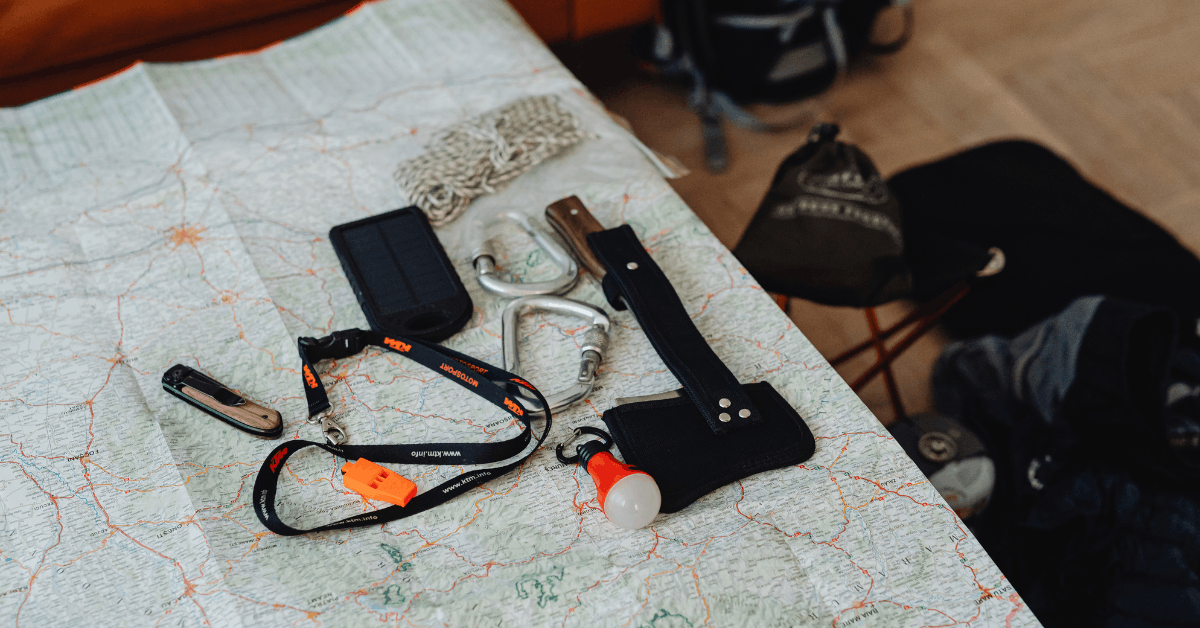
Day hikers account for 42% of search-and-rescue cases in national parks, four times the next-largest group, and roughly 1 in 5 of those calls trace back to plain lack of preparation. The gear that prevents most of them is cheap and light. It is the small stuff that gets left on the kitchen table because no one writes it on the list. A tent and a sleeping bag are hard to forget. A spare headlamp battery, a strip of tape, and a way to treat a blister are easy to skip, and any one of them can turn a good trip into a long night.
For many hikers and campers, the most overlooked backpacking essentials are often the smallest items in the pack.
Repair and Field Fixes
Gear breaks miles from the trailhead, and a snapped tent pole or a split pack strap can end a trip early when there is no way to fix it. A few feet of duct tape wrapped around a water bottle weighs almost nothing and patches torn fabric, a leaking sleeping pad, or a cracked pole until you get home. Fabric repair tape handles bigger tears in a jacket or tent, and a short length of cordage replaces a snapped lace or guy-line. A sewing needle and a couple of safety pins take up no room and fix a blown seam in minutes. None of it is heavy, and all of it has saved a weekend that would otherwise have been cut short.
Spare Light and Power
A headlamp is on most packing lists. The spare batteries are the part people forget. A dead light at dusk turns an easy descent into a slow, hands-out shuffle, and cold air drains alkaline cells faster than most hikers expect. A spare set of batteries weighs a few grams and keeps the light working through a second night if a wrong turn costs you daylight. A small backup light, even a keychain one, covers the case where the headlamp itself quits. Test the batteries at home, because a set that has sat in a drawer for a year may already be half dead.
Reliable lighting is one of the most important pieces of camping gear once the sun goes down in the backcountry.
Water Treatment and Extra Food
Water runs out faster than planned on a hot climb, and not every backcountry source is safe to drink straight. A few water purification tablets weigh almost nothing and work as a backup when a pump clogs or a squeeze filter freezes overnight. Extra food matters for the same reason, since a missed turn or a slow group can stretch a day hike into dinner. A couple of bars beyond what the day needs cost little and keep energy and judgment from falling apart when the trip runs long. Both items are easy to overlook until the moment they are missing.
The Compact Cutting Tool
Most checklists name a knife, yet plenty of packs reach the trailhead without a working blade, or with one too flimsy for real work. A compact fixed blade handles food prep, cordage, and gear repair, and a folding tactical knife fits in a pocket for the small cuts. A blade earns its weight several times a day, from opening a food pouch to shaving dry tinder when the ground outside is wet. Dull blades cause more injuries than sharp ones because they slip, so a quick touch-up before the trip is worth the minute. Choose a blade you trust and size it to the trip.
Foot Care and Blister Prevention
Feet take the whole trip’s punishment, and a hot spot ignored for an hour becomes a blister that changes your gait for days. Miles of downhill in a boot that does not fit turn small friction into blisters and calluses by the second day. A few strips of medical tape or moleskin, applied the moment a hot spot shows up, stop most of it. Spare socks matter as much as the tape, because dry feet blister far less than wet ones, and a merino or synthetic pair pulls sweat away better than cotton. Lacing the heel down on a steep descent keeps the foot from sliding and rubbing.
The Paper Map and Compass
A phone is the only map most hikers carry now, and a phone dies. Cold weather drains the battery fast, and one drop on a rock can crack the screen at the worst moment. A paper map and a basic compass weigh almost nothing and never lose signal, and 10 minutes of practice before the trip is enough to read them. Most cases of getting lost in the wilderness start with a dead battery and no paper backup. Mark the trailhead and the main junctions before you leave, and pick a backstop feature such as a road or river so a wrong turn has a known limit.
Even with modern GPS apps and downloaded trail maps, traditional navigation tools remain essential for wilderness safety.
Cold, Bugs, and Bare Skin
Weather turns without asking, and a mild afternoon can drop 30 degrees after dark in the mountains. An extra insulating layer and a foil emergency blanket weigh little and matter most on the night you did not plan to spend out. Once the sun is down, the body battles the cold by shivering and pulling blood toward the core, and a dry layer is what keeps that fight from being lost.
Bugs are the other overlooked threat. Long grass and brush hold ticks, and tickborne diseases like Lyme follow a bite that often goes unnoticed for hours. A small bottle of repellent and permethrin-treated socks handle most of the risk, along with a skin check at the end of each day. Sunscreen and an SPF lip balm round out the kit, since a high-altitude burn can ruin a trip as fast as a sprain.
The Stakes of a Light Pack
Preparedness matters most when small problems start stacking together in the outdoors.
None of these items weighs much or costs much, and that is exactly why they get left behind. The price of forgetting them is paid later, in the dark, with cold feet and a dead phone, sometimes with a call to the search-and-rescue teams that already run thousands of trips a year. The fix is 5 minutes with the pack open and a hard look at the small stuff most lists skip. That habit, more than any expensive upgrade, is what separates a good story from a rescue.
Careful preparation and attention to forgotten camping gear often matter more than expensive equipment in the outdoors.


