Where to Stay in Big Sur for a Hiking Trip: Unique & Scenic Options by Area

For the dedicated hiker, Big Sur is an unparalleled paradise offering trails that range from easy coastal bluffs to strenuous inland climbs. However, maximizing your time on the trail, rather than sitting in traffic, requires smart logistical planning.
The legendary Highway 1 is narrow, slow, winding, and often subject to delays or closures, which means every mile matters. Choosing the right base camp near your primary hiking targets is essential for a seamless, trail-focused trip.
This comprehensive guide breaks down three distinct regions of Big Sur, detailing where to stay to match your preferred hiking intensity, access to amenities, and desired level of wilderness immersion.
1. Northern Big Sur: Point Lobos & Garrapata State Park
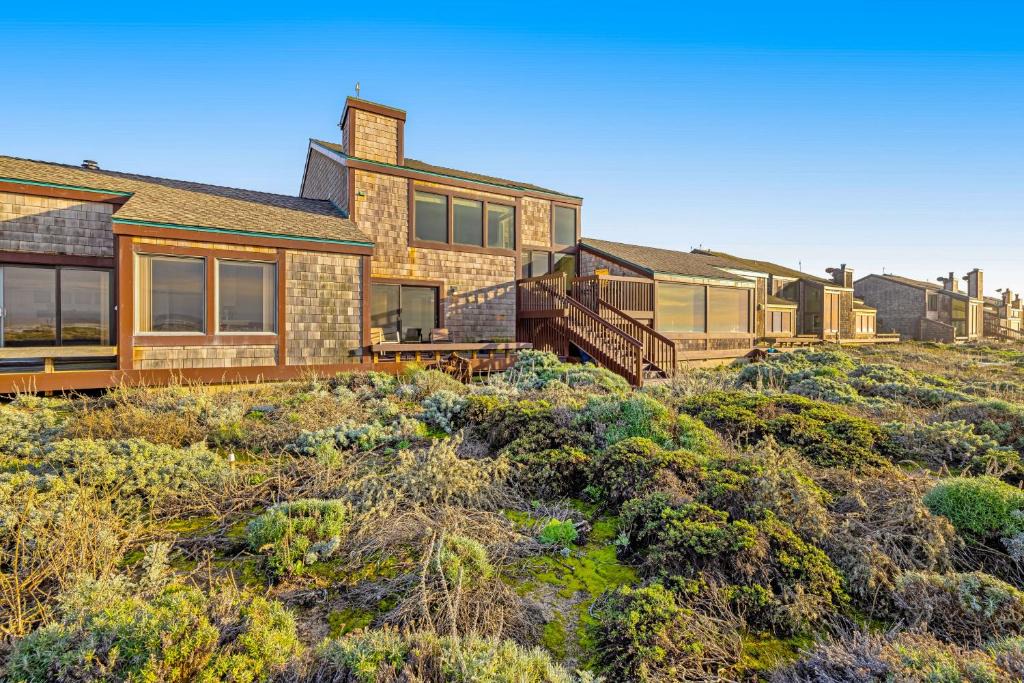
This region serves as the most accessible gateway for hikers who prioritize ease, convenience, and a comfortable retreat after a day of exploration. Staying at the northern end of Big Sur offers quick and easy access to some of the area’s most iconic yet manageable trails.
Accessible Hiking Trails
The star of this sector is Point Lobos State Natural Reserve, often called the crown jewel of the California State Park System. Here, the trails are generally easy, scenic coastal bluff loops that are perfect for families, novice hikers, or those looking to gently ease into their Big Sur adventure.
The emphasis is on gentle walking and stunning marine life viewing; keep an eye out for sea otters, harbor seals, and migrating whales from the dramatic headlands. The easy Cypress Grove Trail, winding through gnarled Monterey cypress trees and offering dramatic views of the coves, is a must-do.
Just a short distance south, Garrapata State Park offers a slightly more rugged experience while still maintaining northern accessibility. Here, you can find rewarding ocean views on trails like the Canyons and Doud Creek trails. Garrapata Beach, famous for its hidden coves and dramatic surf, also provides a scenic spot to watch the sunset after a hike.
Luxury Accommodation with Urban Convenience
A major draw of basing yourself in the north is the proximity to civilization. After tackling the trails, hikers can easily retreat to Carmel-by-the-Sea and Monterey. You’ll have immediate access to fully-stocked gourmet grocery stores, boutique shops, and diverse dining options from casual eateries to high-end gourmet restaurants.
Accommodation in this area is less wilderness-focused and more luxurious. You can find charming inns, boutique hotels, and rental homes just a short drive from Big Sur’s official entrance.
For the traveler who seeks the perfect blend of natural beauty and urban convenience, northern Big Sur is the ideal match. Find a place to stay in Monterey to easily explore the northern trails and scenic Carmel-by-the-Sea.
2. Central Big Sur: Pfeiffer Big Sur & Andrew Molera State Parks
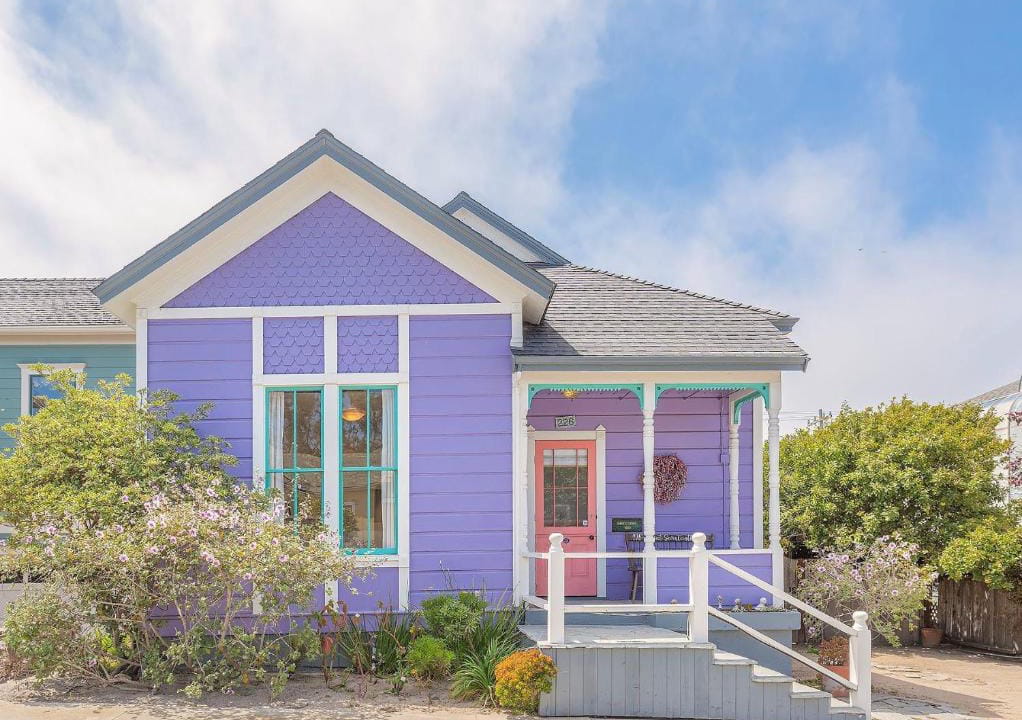
The central region is often considered the true heart of Big Sur, and it represents the core hiking experience of the coastline. By staying in this concentrated area, you position yourself right in the middle of the action, which is key to minimizing drive time to the most popular trailheads.
Diverse Hiking Options
This location offers the most diverse range of experiences, from the cool, shaded world of towering redwoods to expansive coastal ridgelines that boast panoramic ocean vistas. The main appeal of the center is the guaranteed access to the Big Sur River valley, an ecological marvel that runs through the region.
Pfeiffer Big Sur State Park is the undisputed epicenter for classic redwood hiking. Known for its cool, shaded paths, the park provides essential relief on warm days and an immersive forest experience.
Popular routes like the Valley View Trail offer excellent snapshots of the region’s massive coastal redwoods, leading to breathtaking overlooks of the river gorge and surrounding mountains. The park’s accessibility and well-maintained trail system make it a favored spot for all levels of hikers.
Just north, Andrew Molera State Park complements the redwood experience with its diverse terrain. It offers direct beach access, meandering riverside trails that are perfect for bird watching, and demanding climbs up the coastal ridges. The Bluffs Trail, in particular, rewards the effort with magnificent, sweeping panoramic views of the rugged coastline and the ocean.
Remote Hideaways and Coastal Cabins
Lodging in the central stretch is inherently more immersive and nature-focused than staying in the north. Amenities are fewer, and cell service is spotty, but the trade-off is a deeply connected wilderness experience.
Look for vacation rentals along the Big Sur Coastline when planning a central base, as accommodation options can be limited.
A popular choice is the famous, highly sought-after Pfeiffer Big Sur Campground, but it is often fully reserved up to six months in advance. You’ll also find rustic cabins and lodges, which are often tucked deep into the redwoods, as well as inns and hotels positioned along Highway 1.
Travelers choosing this area must be comfortable with having fewer nearby dining options than if they were to base themselves in Monterey or Carmel. Be sure to stock up on supplies before arrival. You’ll be rewarded with the ultimate convenience to Big Sur’s key trailheads.
3. Southern Big Sur: Julia Pfeiffer Burns & Limekiln State Park
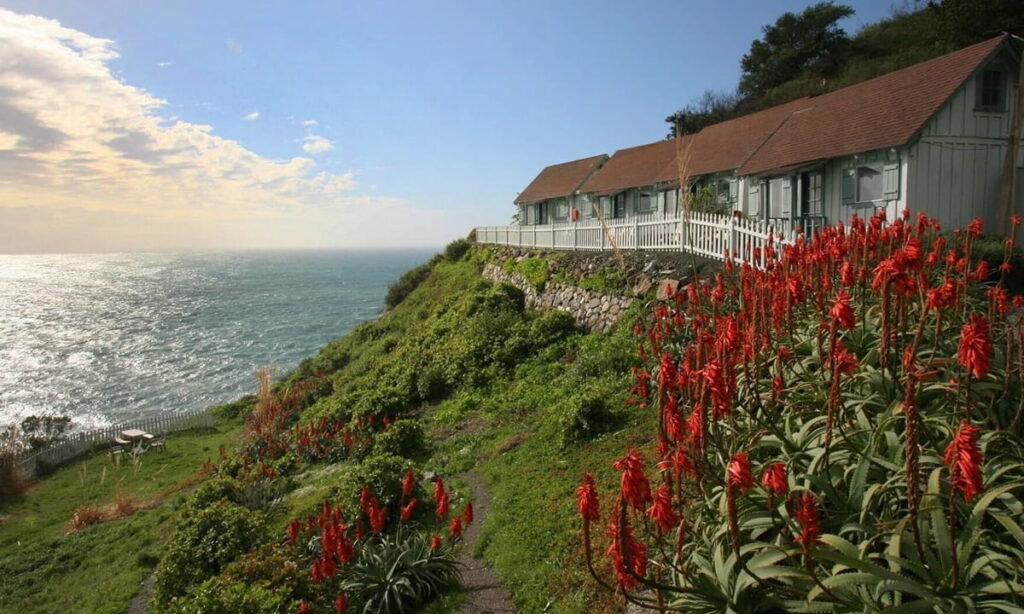
The southern section of Big Sur appeals to the most committed adventurers, offering the most dramatic, rugged scenery and the deepest sense of true wilderness solitude. This is the ideal destination for experienced hikers seeking challenging, rewarding terrain, maximum quiet, and an opportunity to truly unplug.
Wild, Challenging Trails
The trails in this area are generally steeper and longer than in the north, requiring better physical fitness and preparation.
While the famous McWay Falls at Julia Pfeiffer Burns State Park is an iconic sight and a must-see, the primary draw of the south is the opportunity to explore the more remote inland trail system that stretches deep into the Ventana Wilderness. These offer substantial elevation gain and expansive views.
Further south, Limekiln State Park presents a unique historical and natural blend. Here, you can hike among magnificent, towering redwoods, enjoy a rugged stretch of beach, and explore the remains of historical 19th-century lime kilns for a fascinating glimpse into Big Sur’s industrial past.
Accommodation Immersed in Nature
This segment of the coastline is defined by its isolation, which is why it is the perfect choice for travelers who actively prioritize deep-wilderness hiking and iconic, dramatic coastal views.
Due to its extremely remote location, the southern area is characterized by nature-first accommodation. Forget boutique hotels. Think dispersed camping in designated areas, sophisticated glamping experiences that offer a touch of luxury beneath the stars, and off-grid cabins that emphasize peace and quiet.
This area is perfect for finding rugged mountain stays and enjoying a truly unplugged experience close to the most remote trailheads.
Visitors to the south should be entirely comfortable with limited amenities and the necessity of packing in all essential supplies. Services are minimal, and cell reception is typically nonexistent. The payoff is a primal, isolating experience that allows you to feel truly connected to the immense, untamed beauty of the Big Sur coast.
The Right Base Makes for the Best Big Sur Hiking Experience
Whether you seek the convenience of urban amenities and gentle coastal trails in the north, the dynamic hiking experience of redwoods and ridge-lines in the central heart, or the deep solitude and challenging terrain of the southern wilderness, matching your base to your primary hiking goals ensures a seamless, deeply rewarding Big Sur experience.
By choosing your accommodation wisely, you minimize drive time and maximize your hours on the Big Sur trails. There’s no better way to immerse yourself in the unparalleled majesty of this coastal wonderland.


