Everyone Talks About Arches National Park — But These Rock Formations Nearby Steal the Show
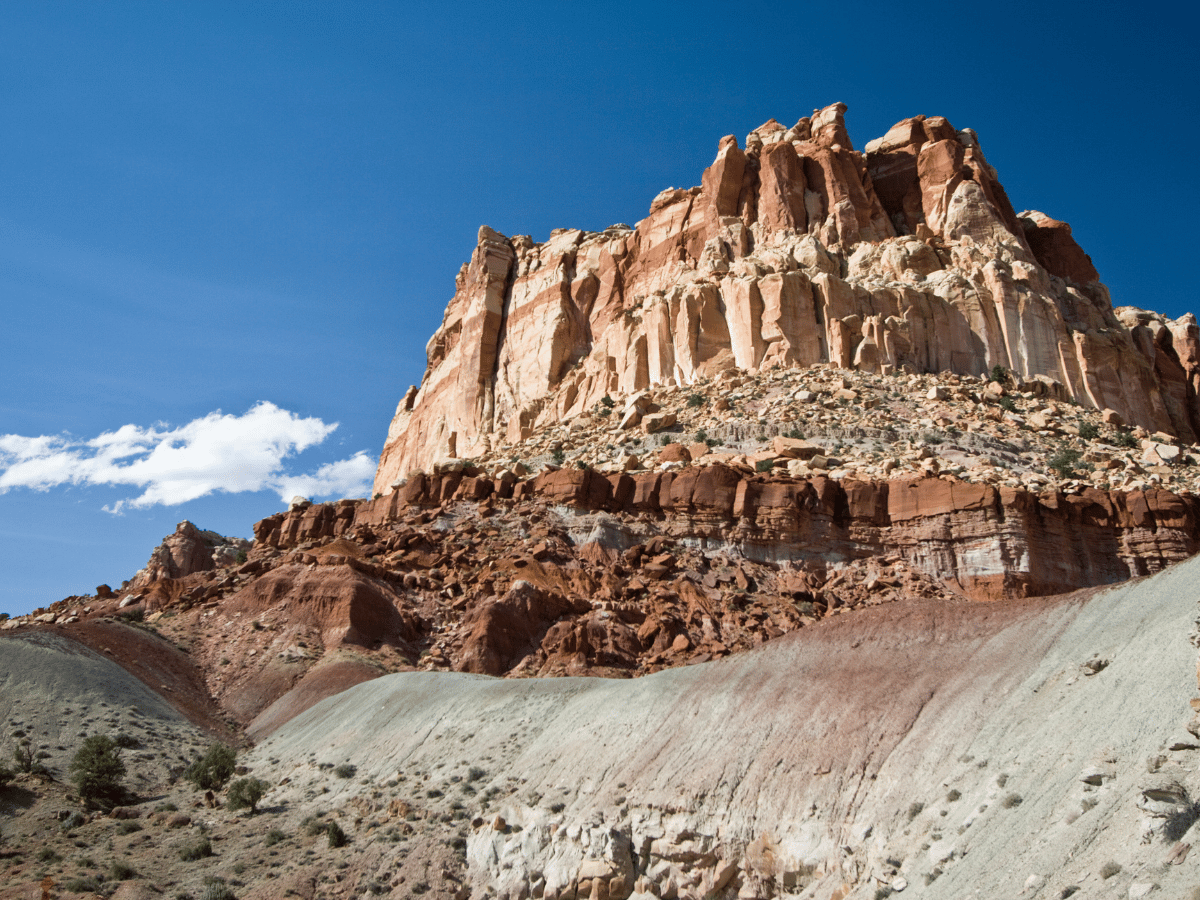
You’ve probably seen Delicate Arch a thousand times.
On postcards, license plates, Instagram feeds that blur together after a while.
And yes, Arches National Park is incredible.
But here’s the thing nobody tells you.
Some of the most mind-bending rock formations in Utah aren’t even inside the park gates.
They’re scattered across the surrounding desert, waiting for the people willing to drive a little farther…
1. Fisher Towers
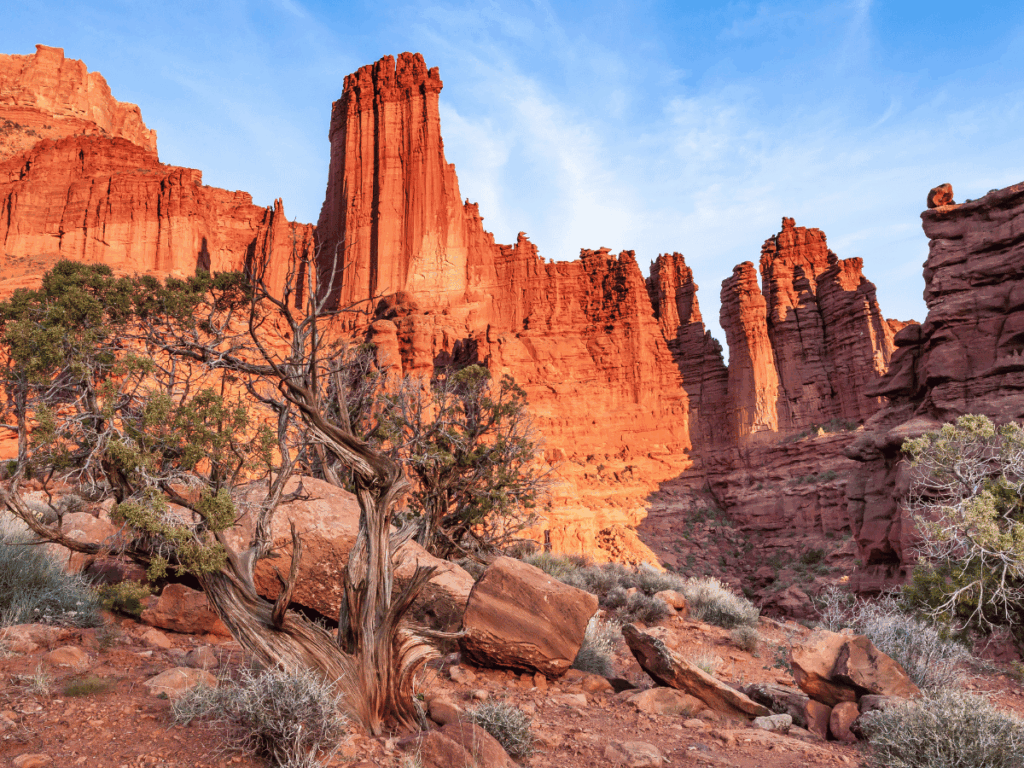
About 21 miles northeast of Moab, a collection of dark red sandstone spires rises 900 feet into the sky like something from a fantasy novel.
The Titan, the tallest of the Fisher Towers, is considered the largest freestanding rock tower in the United States.
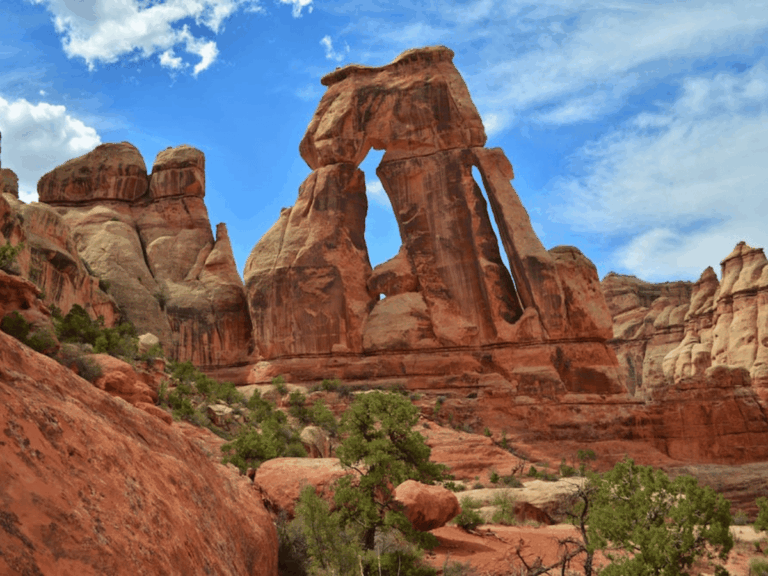
A 4.4-mile round-trip trail weaves around the base of these formations, passing through a maze of fins, pinnacles, and gargoyle-like shapes that make Arches look almost tame by comparison.
Rock climbers come from around the world to attempt these crumbling towers, and if you’re lucky, you’ll spot tiny figures scaling routes that seem impossible from below.
2. Goblin Valley State Park
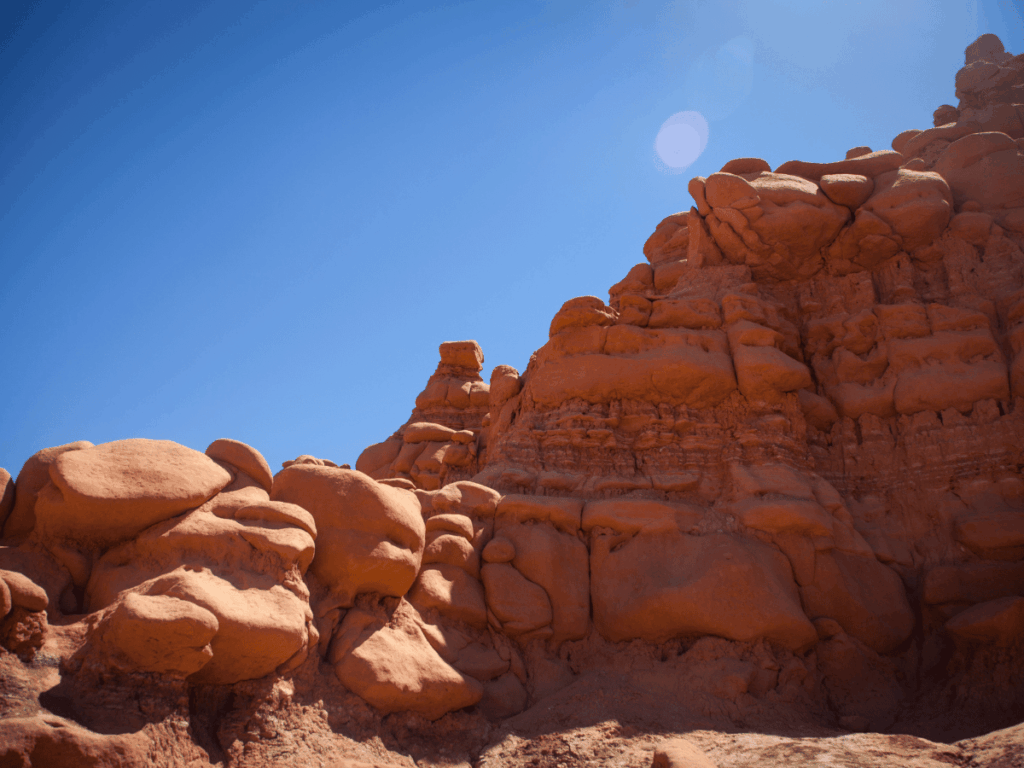
Imagine walking onto the surface of Mars, except you’re still in Utah and it only cost you a state park fee to get there.
Goblin Valley sits about 100 miles northwest of Moab and features thousands of mushroom-shaped hoodoos that locals call “goblins.”
Unlike most protected areas, you’re actually encouraged to wander freely among the formations here, climbing on and around them as you explore.
The park even served as an alien planet in the 1999 film Galaxy Quest, which tells you everything you need to know about how otherworldly this place feels.
3. Corona Arch
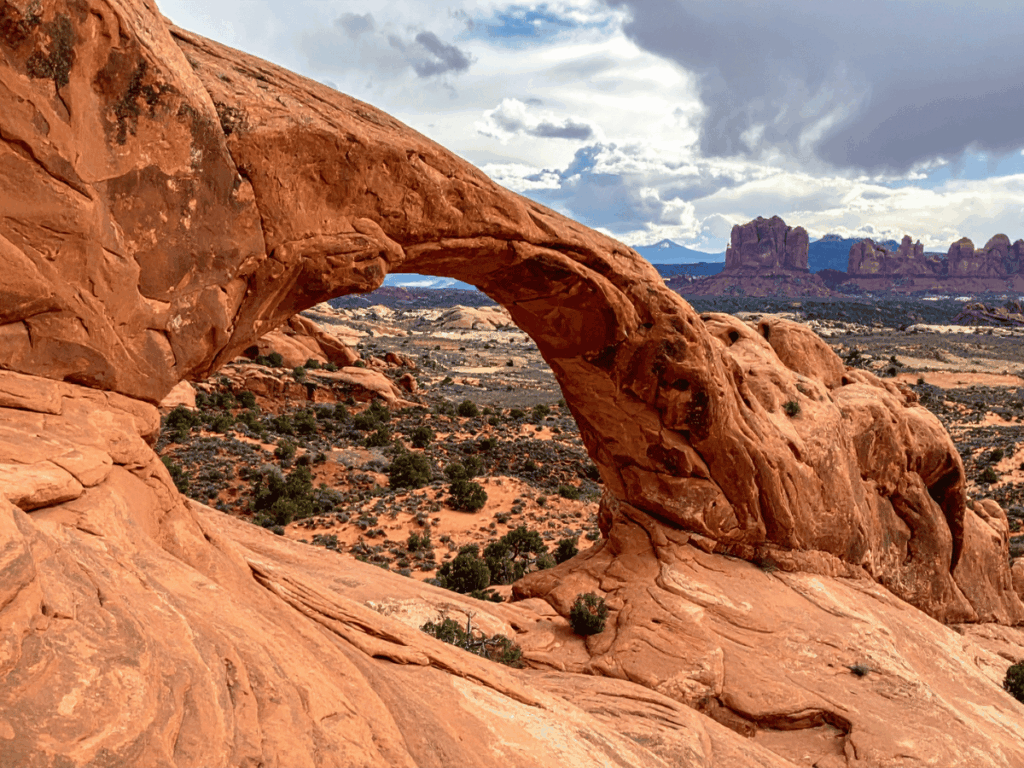
Here’s a 140-foot-wide arch that rivals anything inside Arches National Park, and you can reach it via a 3-mile round-trip hike on BLM land with no entrance fee.
The trail involves scrambling up cables and climbing a short ladder, which adds just enough adventure to make you feel like you’ve earned the view.
Corona Arch sits in Bootlegger Canyon, about 10 miles from downtown Moab along the scenic Potash Road.
Over 80,000 people hike this trail each year, yet it still feels worlds away from the crowds at Delicate Arch.
4. Dead Horse Point State Park
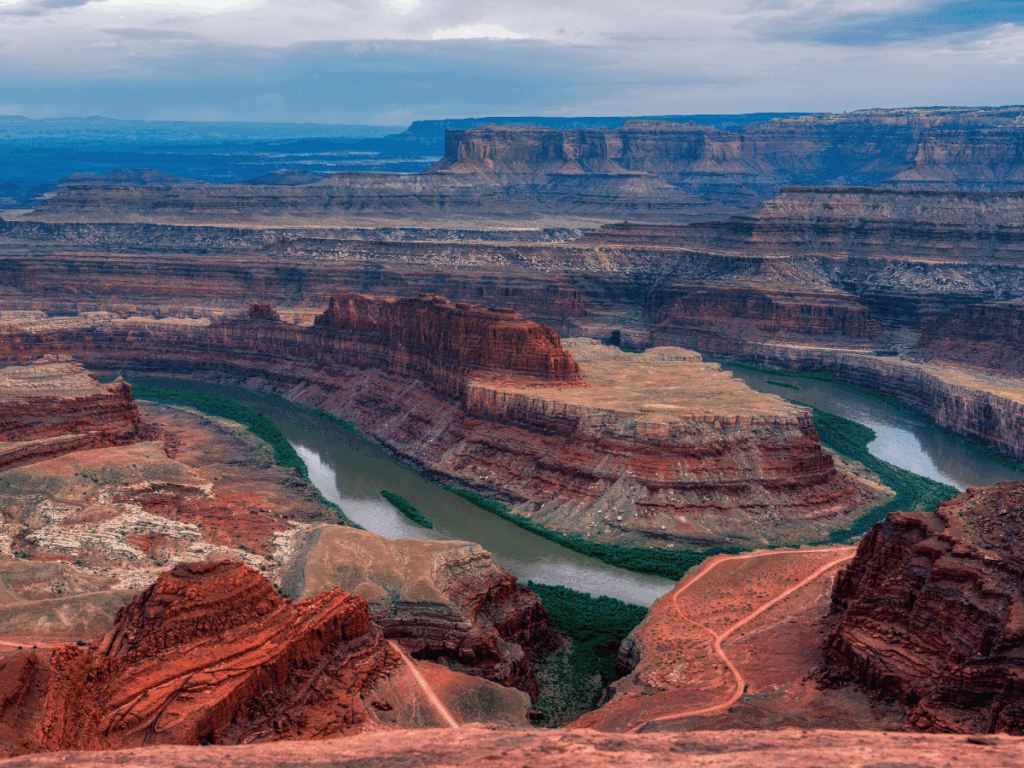
This overlook delivers one of the most photographed views in the American West, and it’s not even in a national park.
From Dead Horse Point, you’re staring 2,000 feet straight down at a dramatic bend in the Colorado River, with Canyonlands National Park stretching to the horizon.
The legend says 19th-century cowboys used this peninsula of rock as a natural corral for wild horses, and some were left behind to perish on the waterless mesa.
Today, 8 miles of hiking trails and 17 miles of mountain bike trails wind along the rim, offering perspective after jaw-dropping perspective.
5. Canyonlands’ Island in the Sky
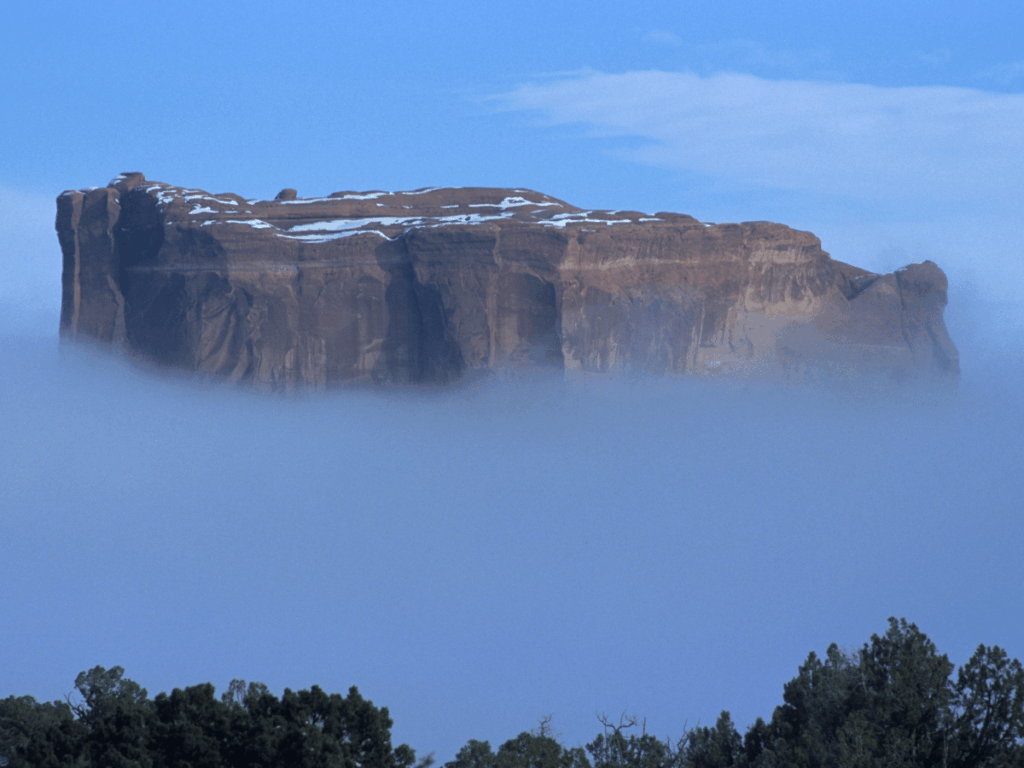
Technically this is a national park, but it gets a fraction of the visitors that Arches does, which is borderline criminal.
From the Island in the Sky mesa, you can gaze nearly 2,000 feet down at a sprawling maze of canyons carved by the Colorado and Green Rivers over millions of years.
Grand View Point delivers exactly what its name promises, while the 100-mile White Rim Road below offers one of the most epic off-road adventures in the country.
Most people visiting Moab never even make it here, which means more solitude for those who do.
6. Capitol Reef National Park
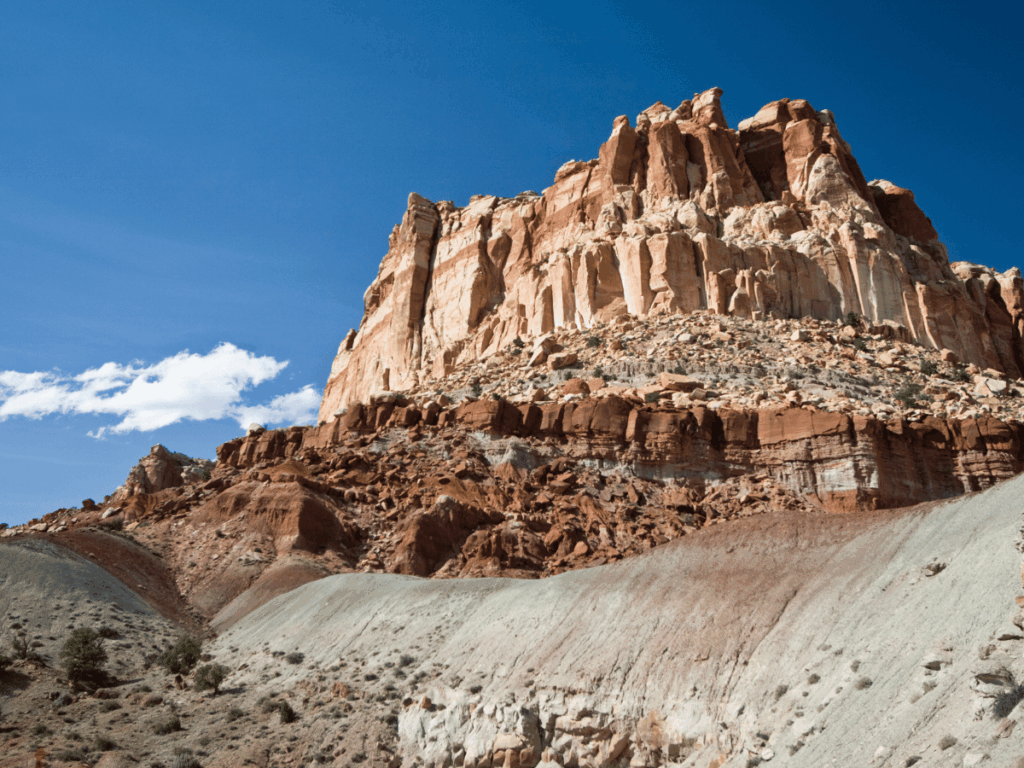
About two hours west of Moab, this often-forgotten park protects the Waterpocket Fold, a 100-mile wrinkle in the earth’s crust that creates some of Utah’s most colorful rock layers.
The scenic drive through the park is free, passing by orchards that date back to Mormon pioneer days where you can pick your own fruit in season.
Trails lead to natural bridges, slot canyons, and dome formations that give the park its name.
This is where you go when you want to feel like you’ve discovered something for yourself.
7. Newspaper Rock State Historical Monument
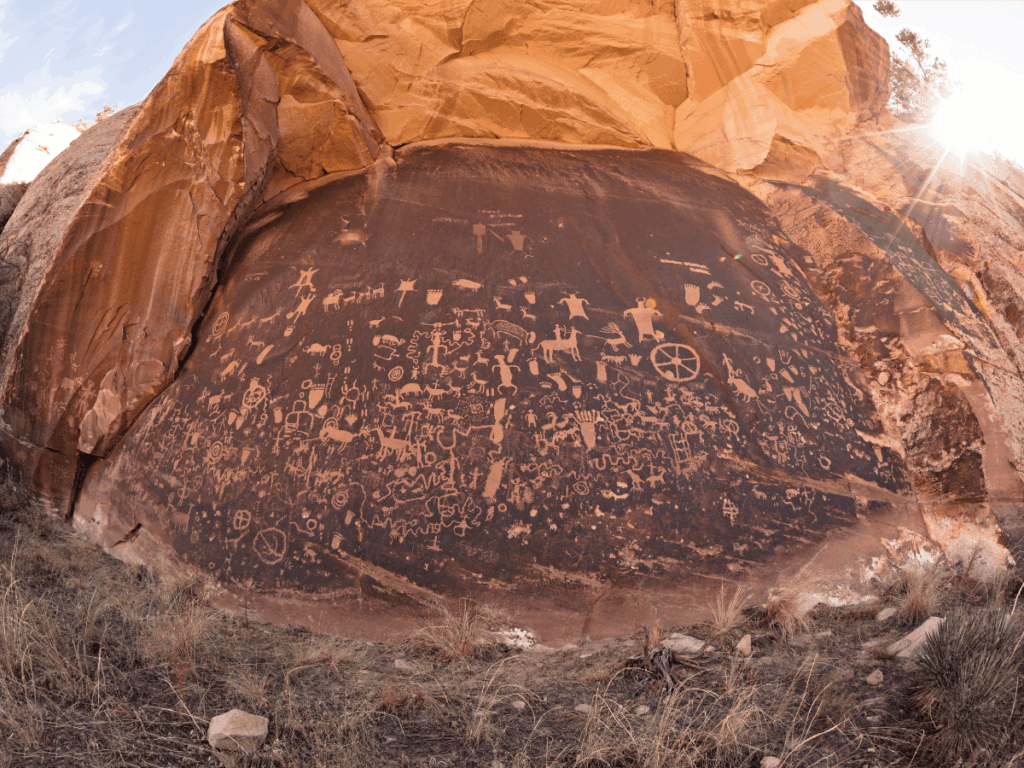
This isn’t a geological formation, but it’s worth the detour just the same.
A single panel of dark desert varnish along the road to Canyonlands’ Needles District contains one of the largest collections of petroglyphs in the Southwest.
Over 2,000 years of human history are scratched into this rock face, with images of hunters, animals, and symbols whose meanings are still debated.
The viewing area is free, accessible, and rarely crowded despite its significance.
8. La Sal Mountains
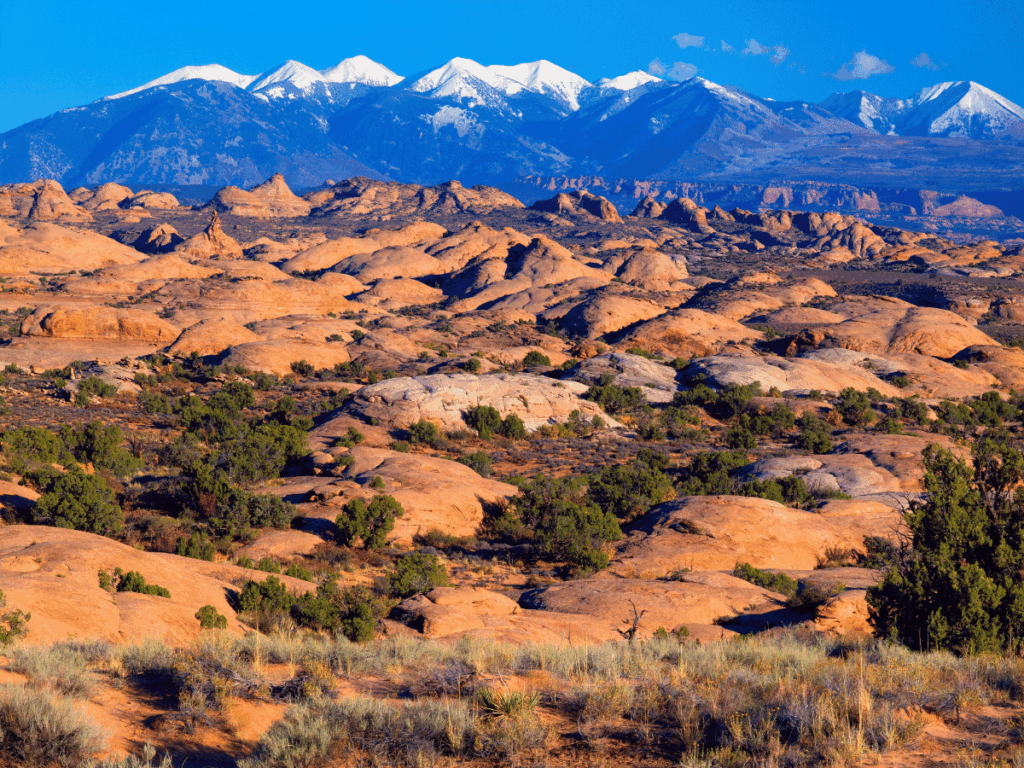
Most visitors to Moab never look up.
If they did, they’d notice snow-capped peaks rising to nearly 13,000 feet just east of town, creating a stunning backdrop to the red rock desert below.
The La Sal Mountains offer alpine hiking, fall colors, and cooler temperatures when the desert floor becomes unbearable.
Driving the La Sal Loop Road provides a complete ecosystem change in under an hour, from slickrock to aspen groves to spruce forests.
Arches gets the headlines and the crowds.
But the real magic of this corner of Utah lives in the places you have to work a little harder to find.
The rock formations that steal the show are the ones most people drive right past.