8 U.S. Islands Most Americans Don’t Even Know About
America has roughly 18,000 named islands, yet most of us could only list a handful.
Beyond Hawaii and the Florida Keys lies a forgotten archipelago of hidden gems scattered across every corner of the country.
Some harbor species found nowhere else on Earth, while others preserve cultures that have survived for centuries in near-total isolation.
A few sit in the middle of the Great Lakes, and one was once a place of exile that most Hawaiians still won’t speak about.
These islands don’t make the travel magazine covers or the Instagram hashtags, and that’s precisely what makes them special.
Pack your sense of adventure and prepare to discover corners of America that feel like entirely different worlds.
1. Isle Royale, Michigan
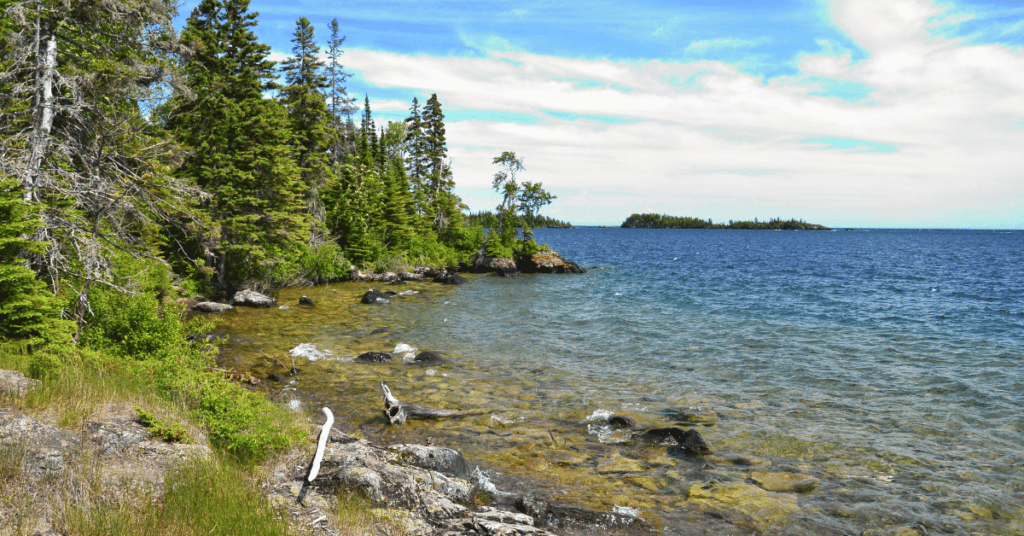
Floating in the cold waters of Lake Superior, Isle Royale holds the distinction of being the least-visited national park in the Lower 48, welcoming fewer than 30,000 visitors annually compared to Yosemite’s four million.
The 45-mile-long island has no roads and no wheeled vehicles are permitted except wheelchairs, leaving only hiking trails and kayak routes to explore its 400 smaller surrounding islets.
Scientists have studied the island’s wolf and moose populations since 1958 in what has become the longest-running predator-prey study in the world, with wolves serving as the only predator and moose as essentially their only food source.
Reaching the island requires a three to six-hour ferry ride from Michigan’s Upper Peninsula or Minnesota, or a seaplane flight, and the park closes entirely from November through mid-April.
2. Cumberland Island, Georgia
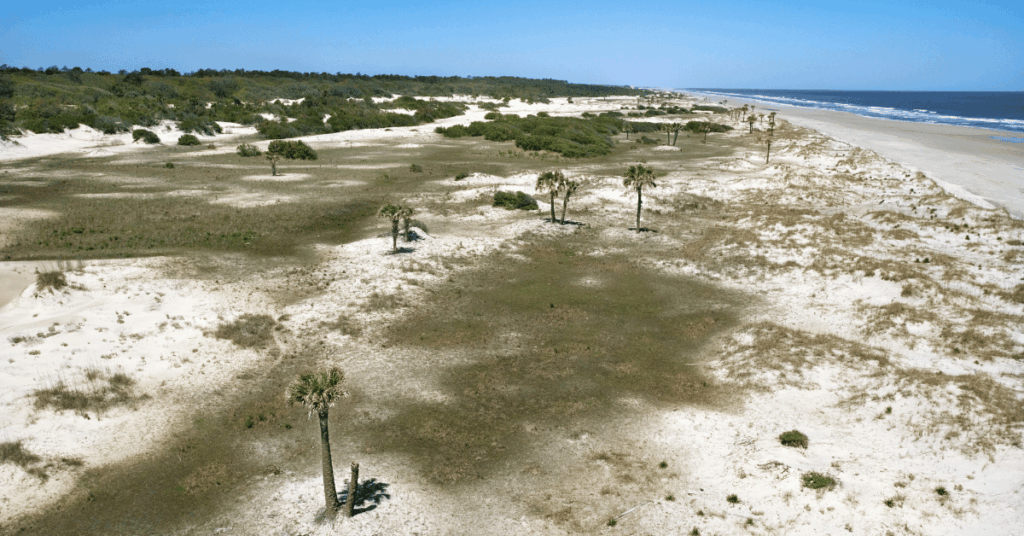
Georgia’s largest barrier island stretches 17.5 miles long and encompasses over 36,000 acres of maritime forest, salt marshes, and pristine beaches, yet limits visitors to just 300 per day.
Between 150 and 200 feral horses roam freely across the island, descendants of horses brought to the area centuries ago, making Cumberland the only Atlantic coast island with an unmanaged wild horse population.
The Dungeness ruins stand as crumbling reminders of the Carnegie family’s gilded age mansion, while the island’s only hotel, Greyfield Inn, was originally built as another Carnegie family home in 1901.
Accessible only by ferry from St. Marys, Georgia, the island has no stores, no street lights, and roughly 40 permanent residents scattered among generational landholdings.
3. Dry Tortugas, Florida
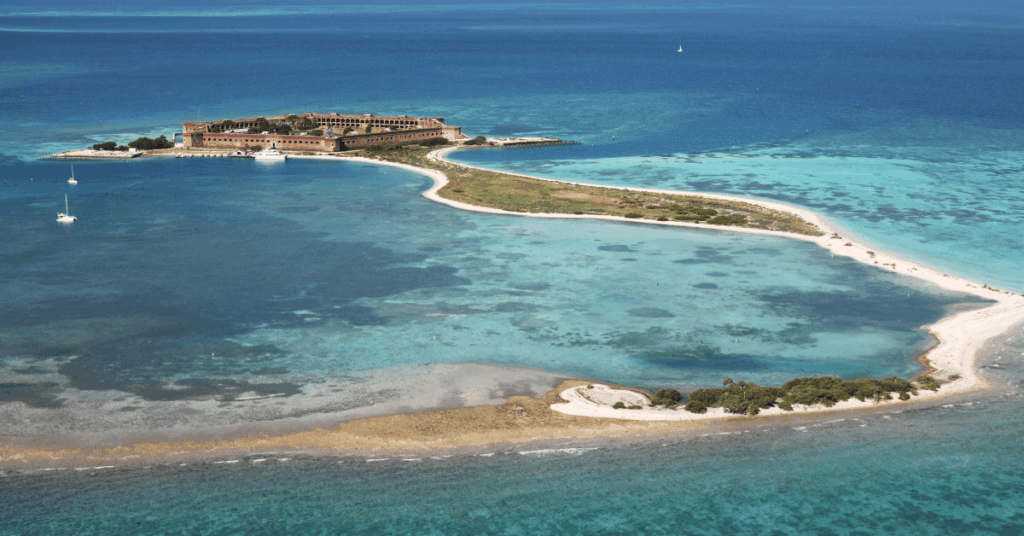
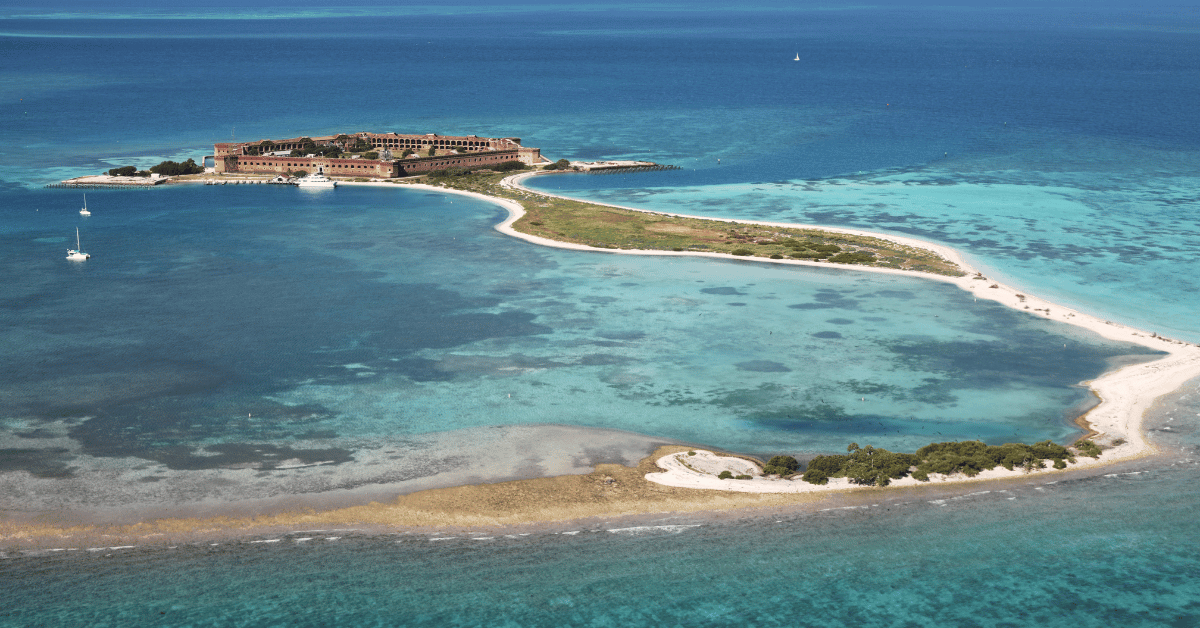
Located 70 miles west of Key West in the Gulf of Mexico, this cluster of seven islands is so remote that 99 percent of the national park lies underwater.
Fort Jefferson dominates Garden Key, a massive hexagonal fortress built from 16 million bricks that remains the largest masonry structure in the Western Hemisphere, yet was never completed and never fired a shot in battle.
The fort’s most famous prisoner was Dr. Samuel Mudd, sentenced to life imprisonment for treating the broken leg of John Wilkes Booth after he assassinated President Lincoln, though Mudd later earned a pardon for his heroic work during an 1867 yellow fever outbreak.
The only ways to reach the islands are by ferry, seaplane, or private boat, and visitors who make the two-plus hour journey discover the third-largest coral barrier reef in the world and the only tropical reef in the continental United States.
4. Daufuskie Island, South Carolina
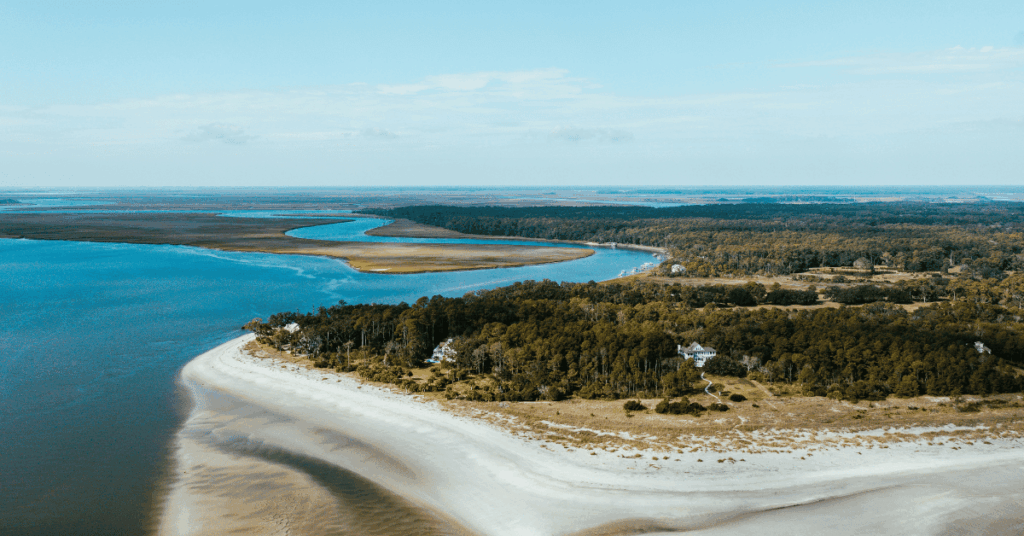
Accessible only by ferry from Hilton Head, this five-mile-long island at the southern tip of South Carolina preserves one of the last intact Gullah communities in America.
The Gullah people are descendants of enslaved Africans who developed their own distinct language, a creole blend of West African dialects and English that linguists consider the only distinctly African creole language in the United States.
Author Pat Conroy taught at the island’s two-room schoolhouse in 1969, an experience he documented in his memoir “The Water is Wide,” which was later adapted into the film “Conrack” starring Jon Voight.
Many historic homes feature doors and shutters painted “haint blue,” a tradition believed to ward off evil spirits, while the entire island has been listed on the National Register of Historic Places for its cultural significance.
5. Channel Islands, California
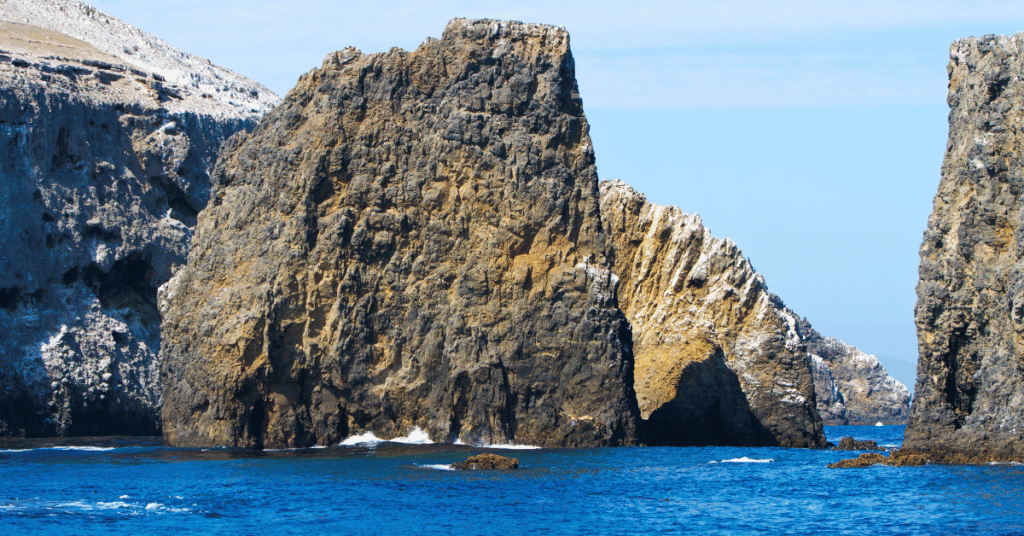
Often called the “Galapagos of North America,” this archipelago of eight islands off the Southern California coast is home to 145 endemic species found nowhere else on Earth.
The island fox, weighing only three to four pounds, evolved separately on six of the islands and nearly went extinct in the 1990s before a successful conservation effort brought the population back from the brink.
Santa Cruz Island hosts the only population of the island scrub-jay, a bird that is larger, bluer, and has a different call than its mainland relatives, representing tens of thousands of years of isolated evolution.
Five of the islands form Channel Islands National Park, yet the entire archipelago receives only a fraction of the visitors that flock to mainland California attractions just hours away.
6. Kalaupapa, Molokai, Hawaii
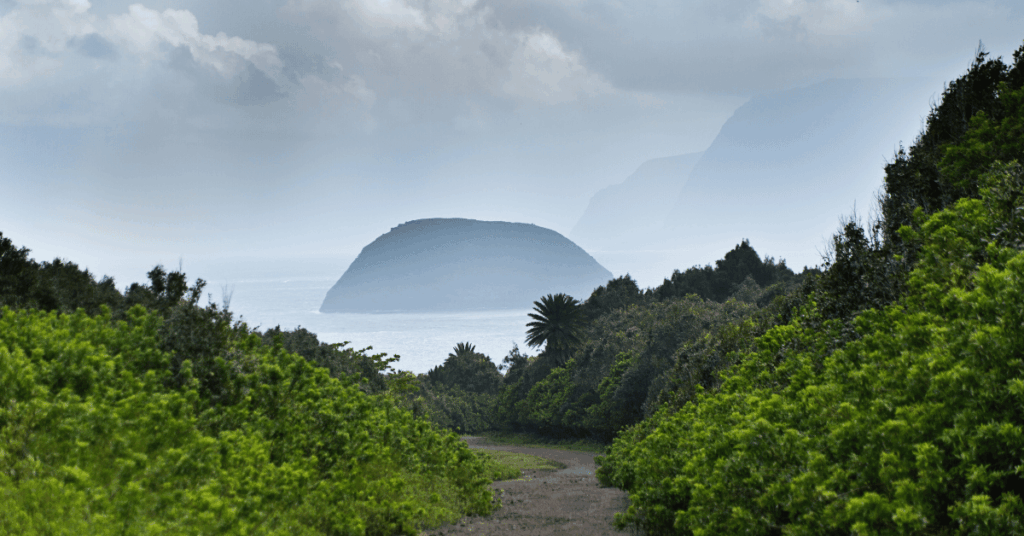
Isolated at the base of 3,000-foot sea cliffs on Molokai’s north shore, this remote peninsula served as a leprosy colony from 1866 to 1969, where more than 8,000 Hawaiians were forcibly exiled and legally declared dead.
Father Damien, a Belgian priest who arrived in 1873 to care for the patients, eventually contracted the disease himself and died there in 1889, later being canonized as Saint Damien of Molokai.
The isolation law was repealed in 1969 after antibiotics proved effective against Hansen’s disease, but most cured patients chose to remain because the peninsula had become their only home.
Today, fewer than ten former patients still live in the settlement, and visits are restricted to guided tours that resumed in 2025 after a five-year closure, requiring either a small plane or a challenging mule ride down the world’s tallest sea cliffs.
7. Apostle Islands, Wisconsin
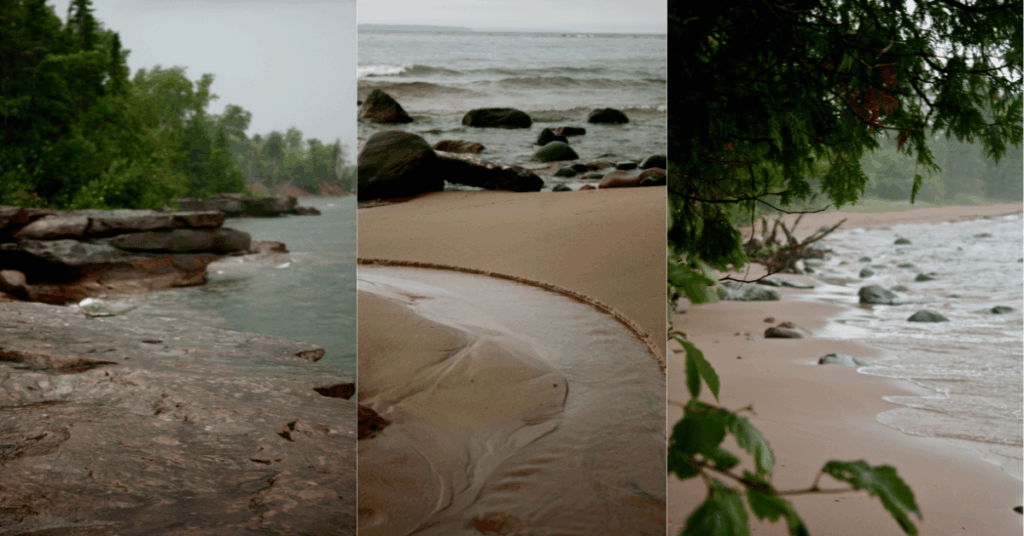
Rising from the waters of Lake Superior off Wisconsin’s Bayfield Peninsula, this archipelago of 22 islands contains sandstone sea caves so spectacular they’ve been called the crown jewels of the Great Lakes.
Waves have carved the billion-year-old sandstone into intricate formations of arches, tunnels, and chambers, with Devils Island boasting the most elaborate honeycomb-like cave systems in the entire chain.
The national lakeshore holds the largest collection of lighthouses in the entire National Park system, with nine historic lights scattered across the islands, some dating back to 1857.
During rare winters when Lake Superior freezes solid enough, visitors can walk across the ice to explore caves transformed into crystalline wonderlands of icicles and frozen waterfalls, though such conditions occur only every few years.
8. Isle au Haut, Maine
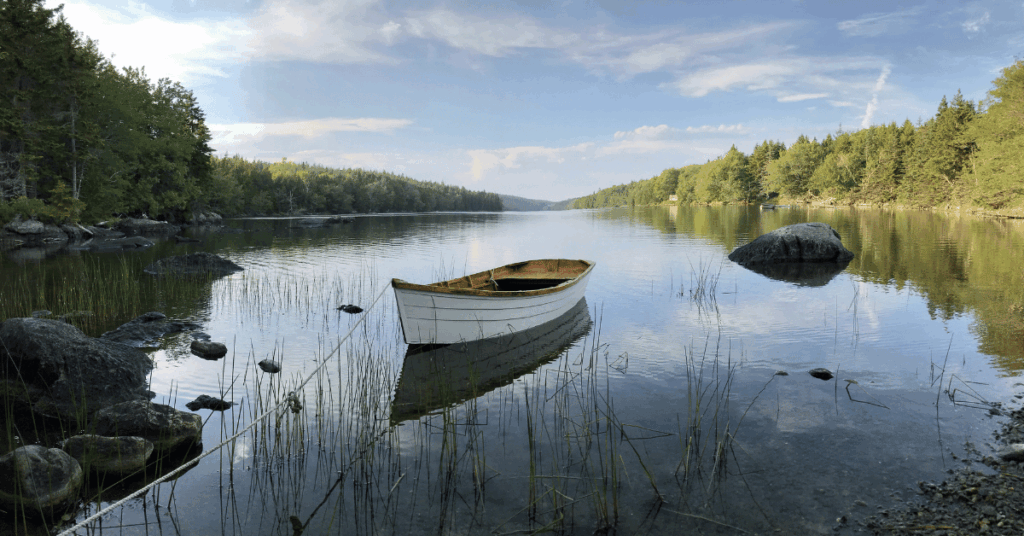
Half of this rocky island off the coast of Stonington, Maine belongs to Acadia National Park, yet it receives only a tiny fraction of the visitors who crowd the park’s more famous Mount Desert Island section.
Only about 70 people live on the island year-round, and the most tourists will find in the way of amenities are pit toilets along the hiking trails.
The mail boat from Stonington serves as the primary connection to the mainland, and the journey itself passes through a maze of granite islands, lobster boats, and fog that epitomizes the Maine coast.
Those willing to make the effort discover miles of coastal trails, tide pools, spruce forests, and a silence that has all but vanished from more accessible corners of America.
America’s Hidden Archipelago
These nine islands prove that some of the country’s most extraordinary places remain genuinely off the beaten path.
Whether you’re drawn to vanishing dialects, endemic species, or simply the peace of places that time forgot, America’s secret islands are waiting.
The question isn’t whether they’re worth discovering, it’s whether you’re willing to make the effort to reach them.