Walk It Off: The Mental Health Benefits of Hiking for ADHD
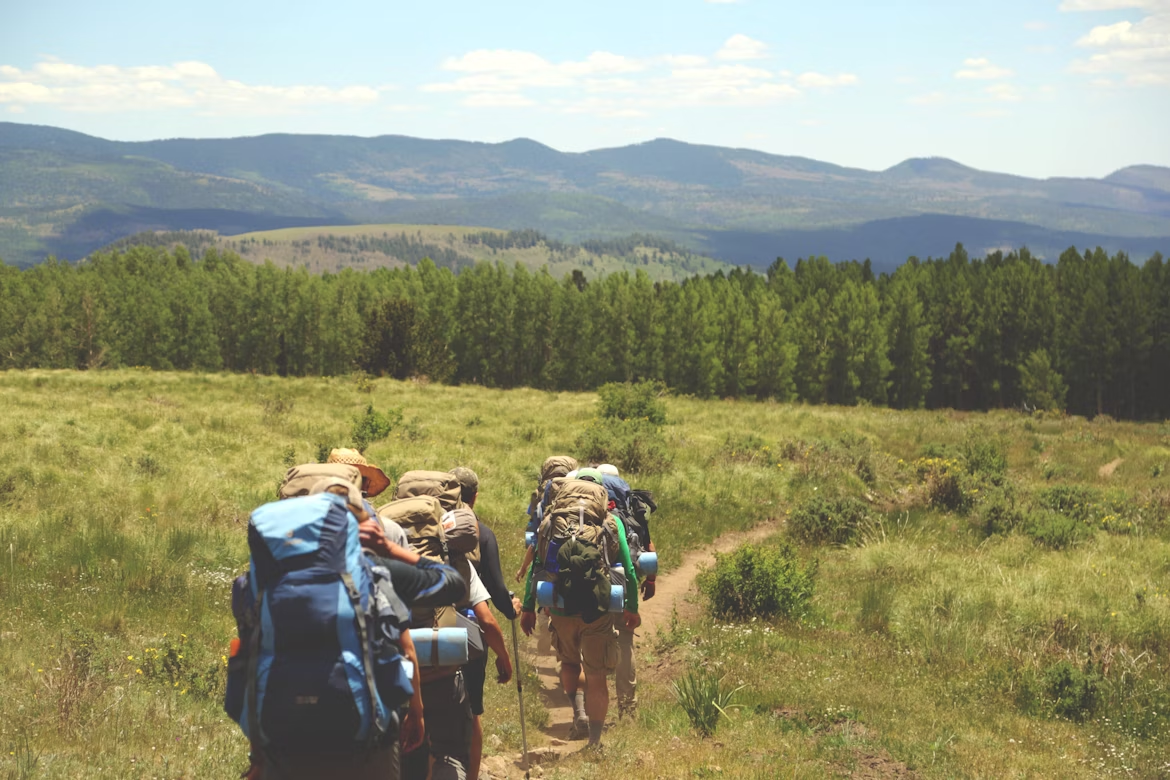
Living with ADHD may feel like always being torn between extremes: either too impulsive or too focused, either always tired or full of energy, either at the top of the world or feeling like a failure. Then, a question must be asked: How to live with ADHD?
Everybody with ADHD should know their coping mechanisms. Today, we want to introduce you to a widely spread, evidence-based, yet very underrated way to manage ADHD. Hiking involves movement, fresh air, novelty, nature — all the necessary things to benefit mental health. But what exactly are the benefits of hiking on the mental health of someone with ADHD?
6 Mental Health Benefits of Hiking for ADHD
Among the most considerable benefits of hiking for ADHD are:
- Improved focus and restoration of attention.
- Useful novelty (unlike social media, substance use, etc.)
- Release of excess energy.
- Better mood regulation.
- Improved executive function.
- Hiking is an affordable version of mindfulness for impulsive people.
15.5 million Americans have an ADHD diagnosis, and only one-third of them take medication to mitigate the symptoms [1]. These 15 million can consider themselves lucky because other undiagnosed adults wonder, “Do I have ADHD?” A test for them is one of the only ways to get guidance towards healthy coping strategies.
If only half of those diagnosed with ADHD treat themselves with medication, how do others cope? Unfortunately, unhealthy and dangerous coping strategies are more common, but some engage in beneficial strategies, like hiking. Let’s break down what’s so effective behind such a simple coping strategy.
Natural Environments Restore Directed Attention
Multiple studies of children with ADHD demonstrate that walks in green vs. urban environments are much more effective for mitigating ADHD symptoms [2]. In a controlled experiment, children who took a 20-minute walk in a park displayed better attention and concentration than kids who walked in the city. The effects were similar to methylphenidate (Ritalin), a common ADHD medication.
Maintaining directed attention, the conscious effort to stay on task, gets damaged in individuals with ADHD. There are two theories why improved focus is one of the mental health benefits of hiking:
- Attention Restoration Theory. Routine life demands extensive amounts of directed attention, and people with ADHD already don’t have that. Natural environments engage a type of effortless attention called “soft fascination.” This is an effective way to replenish the brain’s directed attention capacity for ADHDers.
- Stress Reduction Theory. Nature exposure reduces physiological and psychological stress by activating the parasympathetic nervous system.
Hiking Is A More Engaging Physical Activity
Why recommend hiking and not tennis, walks, sports in general? Any movement is beneficial for ADHD. Comments like these are valid. So, why would we recommend hiking?
The most considerable benefit of hiking for ADHD is that it’s not boring. Harsh truth, but ADHD brains need stimulation and novelty. There’s no other physical activity that would offer shifting scenery, different smells, and not be repetitive.
Each step brings something new. Something you’re curious about. Was that sound just a branch or a squirrel? Does it smell like rain, or is it just the natural smell of the forest? Explore it yourself.
Hiking Helps Release Excess Energy
We mentioned in the introduction that having ADHD is like a conflict between two extremes: all or nothing. There are some days when wanting to do something feels like an itch impossible to scratch.
Hiking’s benefit is that it scratches exactly this itch. When you walk repetedly, breathe steadily, repeat the same moves, you spend excessive energy in a mindful, curated way.
Like parents who need to “walk” their children to improve their sleep, individuals with ADHD should also direct their energy. Preferably, when it’s something useful or brings them joy.
Walking in Nature Improves Mood Regulation
Difficulties with emotional regulation are one of the defining symptoms of ADHD. Stabilizing mood fluctuations is the biggest mental health benefit of hiking. Nature moderates emotional ups and downs by providing a calm, sensory-rich environment.
The resulting increase in serotonin and dopamine supports a more stable mood and reduces symptoms of comorbid anxiety or depression common in ADHD. You can also track your mood in the Breeze app to see whether hiking really facilitates mood fluctuations for you.
Hiking Is a More Affordable Version of Mindfulness
Oftentimes, people answer the question “How to live with ADHD?” by offering meditation and mindfulness. But the truth is that traditional meditation might feel impossible for people with ADHD. Sitting still and focusing on the breath can lead to frustration, but this advice is simply not suited for neurodivergent individuals.
Hiking, however, is a type of mindfulness that a person with ADHD can afford. As you step on uneven ground, notice the sound of leaves, feel wind against your skin, you’re practicing sensory grounding. It’s a therapeutic technique used to manage ADHD and anxiety. This is basically a moving meditation.
Hiking Improves Cognitive Function
Time blindness, task switching, trouble planning, impulsive behaviors, etc., are all symptoms of executive dysfunction. This is an experience that almost every person with ADHD can relate to.
Beyond its emotional benefits, hiking has profound cognitive advantages. Nature exposure has been shown to enhance working memory, creativity, and problem-solving skills. How?
- Research, including EEG studies, shows nature exposure improves brain waves (e.g., increases in alpha and theta activity linked to relaxation and focused attention) [3].
- Hiking increases blood flow and oxygenation to the brain, supporting neuroplasticity and processing speed.

Tips on How to Hike for/with ADHD
While hiking can be incredibly grounding for ADHD minds, it’s important to adapt your approach so that the activity feels enjoyable, not stressful. The goal isn’t to “do it perfectly.” Here are practical ways to get the most mental health benefits out of your next hiking trips.
- Don’t Use Gadgets While Hiking
Phones and gadgets easily steal the attention that hiking naturally restores. Unless you need navigation or emergency tools, try leaving your phone in your backpack. Notifications pull you back into the overstimulation you came to escape.
If you must use a phone for navigation, consider airplane mode or a “dumb phone mode”. You can set it up on both iOS and Android.
- Take Photos of Everything You Find Worth Remembering
People with ADHD may jump between moments of fascination: a beautiful flower, a nice rock, a cute tree. Use that curiosity to your advantage. Taking photos helps capture small joys and provides a creative outlet for your impulsive side. Later, these photos can be uploaded in the Breeze Wellbeing app to serve as visual journaling, reminders that your focus isn’t scattered, it’s deeply observant.
- Plan in Advance, but Leave Room for Your Impulsivity
Structure helps ADHD minds thrive, but too much of it leads to overwhelm. Before your hike, research essential details — trail difficulty, nearby food options, and safety rules. This helps reduce stress and decision fatigue. Once you’re there, let spontaneity take over. Explore a side trail, stop for a snack under a tree, or talk to a fellow hiker.
Balance is key: having a loose plan ensures safety, while freedom within that plan keeps your brain engaged and relaxed.
- Walk Barefoot on Grass (When Safe)
Grounding lowers stress and stabilizes the heart rate by literally reconnecting the body to the Earth’s electrical field. When it’s safe and clean to do so, take off your shoes and feel the texture of the ground. Walking barefoot on grass can provide intense sensory feedback that calms overstimulation and restores focus.
- Take a Bike to Your Hiking Trip
Combining biking and hiking contributes to novelty. The quick pace of biking releases built-up restlessness, allowing you to transition into the slower rhythm of walking. If the hiking trail is too far to bike the entire way, consider parking a few miles out.


