How Second Citizenship and Golden Visas Unlock the World’s Best Hiking Destinations
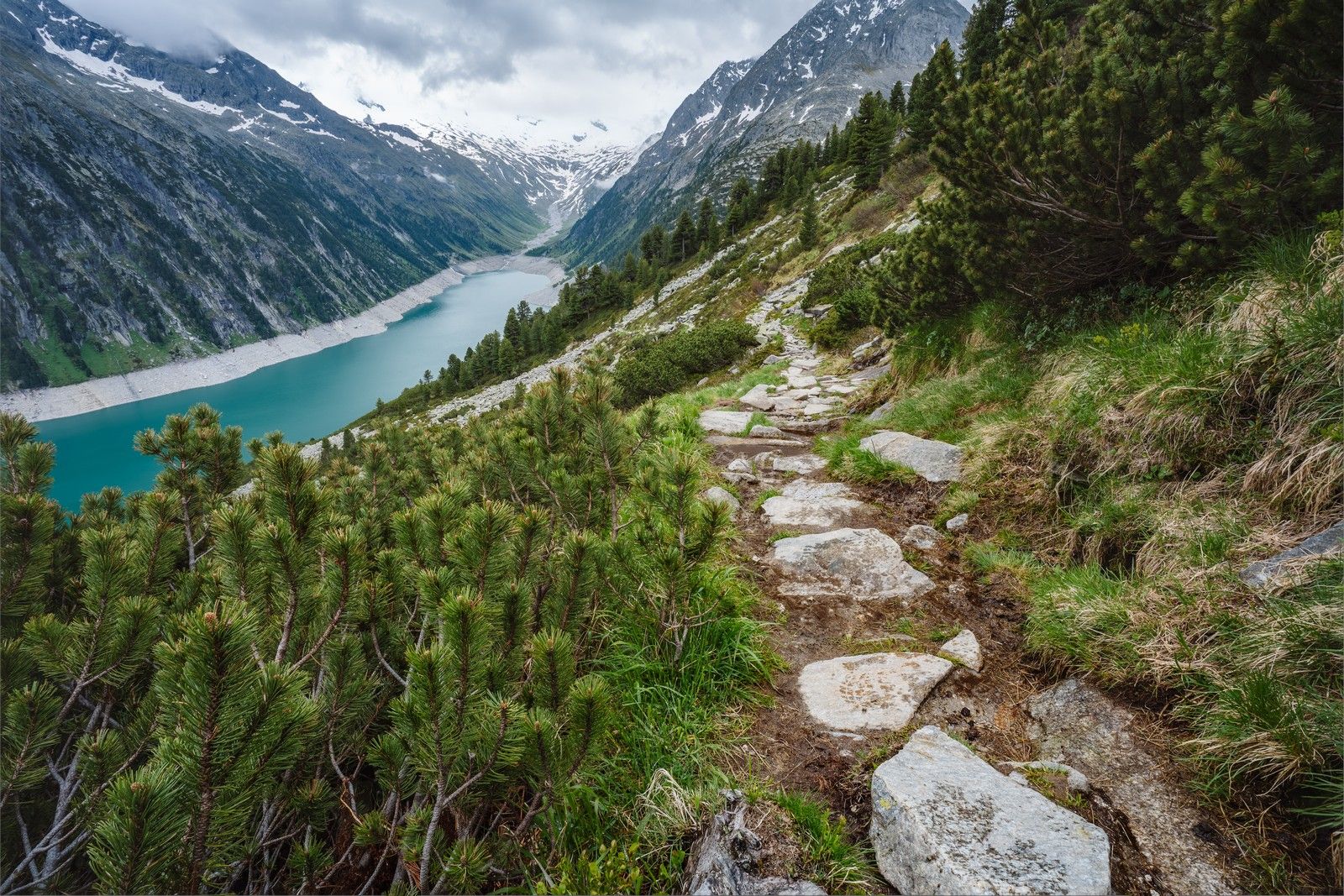
Planning hiking trips across continents shouldn’t mean spending weeks dealing with visa applications. Yet that’s exactly what happens when adventurous travelers hit bureaucratic walls trying to access premier trails.
The Alps. Patagonia. Iceland’s volcanic highlands. Nepal’s mountain kingdoms. These destinations demand more than just hiking boots and determination—they require strategic thinking about travel freedom.
Here’s something most outdoor enthusiasts don’t realize: residence and citizenship by investment programs can transform how you access the world’s best hiking destinations. These programs aren’t just for tax optimization or business expansion anymore.
They’re becoming essential tools for serious hikers and adventure travelers who want unrestricted access to trails spanning multiple countries and continents.
The Visa Problem Nobody Talks About
Picture this scenario. You’ve mapped out an epic three-month hiking journey across Europe—the Dolomites in Italy, then the Pyrenees, followed by Iceland’s Laugavegur Trail.
But there’s a problem. The standard tourist visa for Europe limits stays to 90 days within any 180-day period across the entire Schengen Area.
That mathematical constraint kills most extended hiking plans before they start. Visa runs become necessary. Itineraries get chopped up. Spontaneity disappears.
The situation gets worse when combining European hiking with destinations in Central Asia, South America, or Africa. Each country brings different visa requirements, processing times, and restrictions.
Kazakhstan now offers 30-day visa-free access for U.S. citizens—great for exploring the Tian Shan mountains. But what happens when you want to extend that trip or combine it with Mongolia’s steppes?
How Strategic Residency Changes Everything
Securing residency through investment in the right country eliminates these headaches. Not partially. Completely.
Take Portugal’s Golden Visa program. The minimum investment starts at €350,000 for property rehabilitation projects. Once approved, residents gain something invaluable: near-unrestricted access to 26 Schengen countries.
That means spending May through September hiking across the Alps, Dolomites, and Pyrenees without worrying about the 90-day limit. No visa runs. No counting days. Just trails.
Portugal itself offers incredible hiking—Madeira’s levada walks, the Azores’ volcanic landscapes, and Peneda-Gerês National Park. These become your backyard, accessible whenever weather and mood align.
Spain’s investment visa requires €500,000 in property but opens similar doors. The Camino de Santiago, the Pyrenees, and year-round hiking in the Canary Islands all become easily accessible home bases.
The Best Residence Programs for Outdoor Enthusiasts
Not all golden visa programs offer equal value for hikers and outdoor adventurers. Some stand out for specific reasons.
Greece: €250,000 Gets You Mediterranean Access
Greece raised investment requirements to €500,000 in Athens, Thessaloniki, and popular islands. But other areas still require just €250,000 in property investment.
This buys access to Crete’s Samaria Gorge and White Mountains, the Peloponnese’s ancient trails, and mainland mountain ranges that most tourists never see.
Greek residency means Schengen access plus the ability to base yourself in one of Europe’s most affordable countries with year-round hiking weather.
Italy: Premium Access to Alpine Paradise
Italy’s investor visa requires €250,000 to €500,000 in Italian companies or €2 million in government bonds. The higher barrier keeps applicant numbers lower.
What you get is extraordinary. The Dolomites rank among the world’s most spectacular mountain landscapes. Alpine huts (rifugios) offer luxury accommodations along multi-day trek routes.
The Apennines stretch down Italy’s spine, offering less-crowded alternatives. Italian residency also grants access to neighboring Switzerland’s trails without visa concerns.
Malta: Compact But Strategically Positioned
Malta’s programs require €100,000-€150,000 in non-refundable contributions plus real estate purchase or lease. The island itself offers limited hiking.
But Malta’s real value lies in its EU membership and Schengen access. The country serves as an ideal base for flying to hiking destinations across Europe, North Africa, and the Middle East.
Malta’s citizenship program—though more expensive—delivers one of the world’s most powerful passports for global hiking access.
Citizenship Programs That Unlock Continents
Residence programs offer significant benefits, but citizenship takes travel freedom to another level. Several countries sell citizenship through investment, and some align perfectly with outdoor recreation goals.
Caribbean Programs: Island Base, Global Access
Dominica, St. Lucia, Grenada, Antigua & Barbuda, and St. Kitts & Nevis all offer citizenship by investment starting around $100,000 for a single applicant.
The hiking within these islands deserves attention. St. Lucia’s Pitons offer challenging climbs. Dominica’s Waitukubuli Trail stretches 115 miles through rainforest. Grenada’s Seven Sisters Falls requires serious trekking.
More importantly, these passports provide visa-free access to 140-155 countries, including the entire Schengen Area, the UK, Hong Kong, and Singapore.
You can apply for golden visas with the help of Global Residence Index, which has guided over 500 clients through citizenship and residency programs with a track record of 100% approval rates.
That makes spontaneous hiking trips across Europe possible without advance visa planning. Book a flight to Iceland or Switzerland and go.
Turkey: Gateway Between Continents
Turkey’s citizenship program requires $400,000 in property investment. The country itself offers exceptional hiking—the Lycian Way along the Mediterranean coast ranks among the world’s best long-distance trails.
Cappadocia’s lunar landscapes, Mount Ararat’s biblical significance, and the Kaçkar Mountains near the Black Sea all become easily accessible.
The Turkish passport provides visa-free or visa-on-arrival access to 110+ countries. While not as powerful as European passports, it opens doors throughout Asia and the Middle East.
Real-World Planning: What Actually Changes
Theory sounds great. But what does strategic residency or citizenship actually enable in practice?
Consider someone who secures Portuguese residency. They can now:
- Spend June through September hiking the Alps, visiting Italy, Switzerland, Austria, and France without worrying about the 90-day Schengen limit
- Return to Portugal in October for Madeira’s peak autumn hiking season
- Fly to Morocco or Turkey from Lisbon without visa concerns for winter desert and coastal hiking
- Access resident pricing for national park passes and memberships in hiking clubs across the EU
Someone with Caribbean citizenship plus European residency creates even more flexibility:
- Caribbean passport enables visa-free European access for hiking trips while maintaining US or Canadian citizenship
- European residency provides the base for extended Alpine season access
- Combined mobility covers nearly every premier hiking destination globally except China and a handful of restricted countries
The 2025 Visa Landscape Makes This More Important
Recent changes to global visa requirements underscore why strategic planning matters more than ever.
Europe’s ETIAS system launches in 2025, requiring electronic travel authorization for most short stays. The cost is minimal—€7—but it adds another administrative layer.
The UK now requires Electronic Travel Authorization for most non-EU visitors, including Americans. This authorization lasts two years but represents another hoop to jump through.
Brazil reinstated tourist visa requirements for U.S., Canadian, and Australian citizens in April 2025. Planning hiking trips in Patagonia or the Andes now requires advance e-visa processing.
Israel introduced mandatory ETA-IL for visa-exempt countries starting 2025. That affects access to the Israel National Trail, a premier long-distance hiking route.
These changes create friction. Each one seems minor individually. Collectively, they make spontaneous international hiking trips increasingly difficult without strategic citizenship planning.
Cost Analysis: Investment Versus Value
Golden visa programs require substantial capital. Portugal needs €350,000 minimum. Spain wants €500,000. Italy demands even more depending on the investment type.
Compare this against the alternative: restricted access, visa hassles, and limited flexibility for serious outdoor pursuits.
Someone planning regular multi-month hiking trips across continents faces constant visa applications, travel restrictions, and planning headaches. The time and opportunity cost adds up quickly.
The investment in residency or citizenship also brings additional benefits beyond hiking access:
Property in premium locations near trailheads can appreciate significantly. Madeira real estate, for example, has seen strong growth as the island’s popularity increases.
Tax optimization opportunities exist in countries like Portugal (Non-Habitual Resident regime), Malta (territorial taxation), and Greece (flat tax for new residents).
Family members gain the same mobility benefits. Children access international schools. Everyone benefits from European healthcare systems.
Working With Advisors Who Understand Outdoor Lifestyle
Not all investment migration consultancies grasp why outdoor enthusiasts pursue these programs. Many focus purely on tax and business angles.
Finding advisors who understand the lifestyle component matters enormously. They can match programs to specific hiking goals and seasonal patterns.
Vancis Capital, the parent company behind specialized investment migration services, brings this perspective through principals who have lived across multiple continents and understand genuine lifestyle migration.
The right advisor helps navigate pre-screening, document preparation, and government relationships that make applications proceed smoothly. They also understand which countries offer the best trail access for specific outdoor interests.
Making It Happen
Strategic residency or citizenship planning for hiking access follows a straightforward path.
First, map out hiking goals over the next 3-5 years. Which regions matter most? How much time needs to be spent in each area annually?
Second, identify programs that provide optimal access to those regions. European golden visas cover different territories than Caribbean citizenship programs.
Third, evaluate investment requirements against available capital and long-term property plans. Some programs require real estate purchase; others accept bonds or business investments.
Fourth, engage qualified advisors who handle pre-screening and due diligence. This prevents application issues that create delays or rejections.
Fifth, complete the documentation process. Government relationships matter here—experienced advisors expedite applications through established channels.
The timeline varies by program. Caribbean citizenship can be completed in 3-4 months. European golden visas typically take 6-12 months from application to approval.
For serious hikers and outdoor enthusiasts, that timeline represents an investment in decades of unrestricted trail access across continents. No more visa runs. No more 90-day limits. Just trails, mountains, and freedom to roam.
The world’s best hiking destinations aren’t going anywhere. But access to them is getting more complicated. Strategic planning now creates opportunities that become harder to arrange later.


