Packing Strategies for RooftopTent Camping Adventures
Millions of Americans pack their gear and head off to spend time outdoors. Over 53
million households went camping in 2023 alone. However, no camping trip will be fun if
you fail to prepare.
Part of the preparation is deciding just how much of your home you’ll haul along with
you! There’s a moment before every camping trip when you stare at your gear and
wonder how on earth it will all fit.
The sleeping bags look puffier than you remember, thestove seems to have grown extra knobs, and suddenly the idea of living out of a rooftop tent feels like some unsolvable puzzle.
The good news is that packing for a camping adventure doesn’t have to feel like a full-
on workout. If you have a few clever packing strategies, you can keep clutter to a
minimum and have essentials in reach without compromising on comfort too much.
Start With the Essentials First
Packing usually begins with excitement, and rightfully so. But that’s also where mistakes
make their debut. It’s easy to get carried away with three lanterns, five throw blankets,
and an entire library of books. Your top priorities should be: food, water, shelter. It’s a
little smarter to start with the basics and then branch into the more non-essential
comfort items.
Logic is often about creating a visual. A simple trick is to spread everything out on the
floor before you pack it in the car. You could even do a test run a few days before the
trip. When you see it laid out, you’ll realize what looks necessary in your head takes up
half the driveway in real life. Editing at this stage makes the rooftop tent feel far less
crowded later on.
Go Light Where You Can
Weight adds up faster than you think, so keep this in mind while planning. A heavy cast-iron skillet might seem romantic until you try to haul it out of the car after a long drive. Opting for lightweight gear isn’t about being a Spartan. It’s about having more energy for the adventure without lugging around unnecessary pounds.
Look for compact cookware, folding chairs, and quick-dry clothing. Many camping brands have made big strides in creating gear that’s light but still durable. You’ll thank yourself when setting up camp feels more like an easy routine and less like moving house.
Organize by Zones
One of the best ways to stay sane while camping is to give everything a “home.” Instead of stuffing things wherever there’s space, organize them by zones: cooking gear in one bin, sleeping gear in another, tools in their own pouch.
Color-coded storage bags or clear containers help more than you’d expect. Nothing ruins the calm of a campsite like digging through a pile of gear at midnight trying to find a headlamp. When every item has its designated spot, your small rooftop tent setup will feel surprisingly spacious and manageable.
Think Vertical, Not Just Horizontal
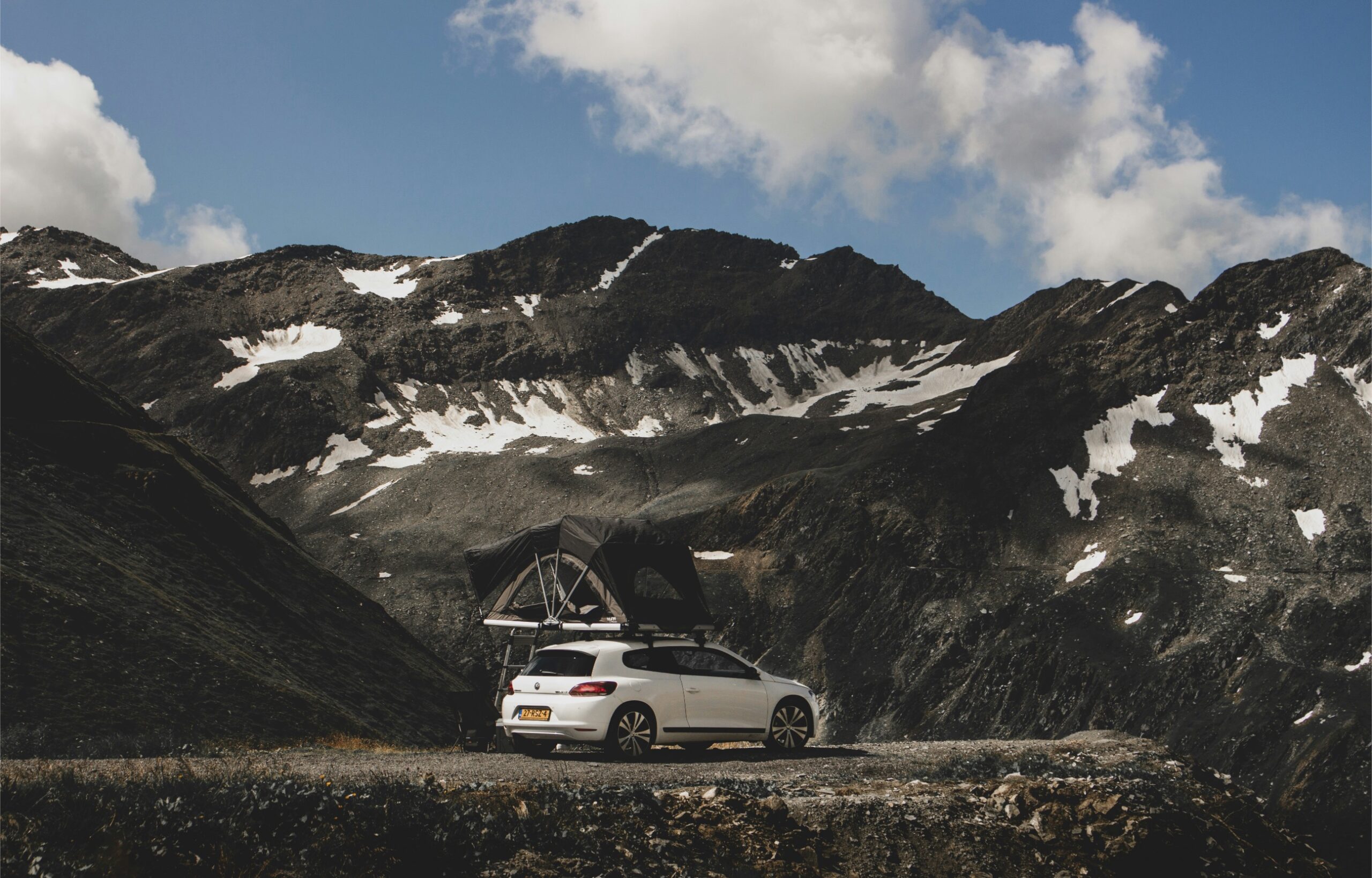
Rooftop tents are cozy but limited in square footage, so be prepared to make use of vertical space. Hanging organizers can hold shoes, flashlights, or toiletries. Rooftop boxes or cargo carriers free up room inside the car for softer items like clothes and bedding.
It’s also worth packing soft bags instead of rigid suitcases because duffels squeeze into corners and stack on each other, while hard shells just eat up space. The less air you’re packing, the better.
Meal Prep Makes a Difference
Food can be the bulkiest and most challenging part of packing. Prepping ahead changes the entire game. Chopping vegetables at home, measuring spices into small containers, or even cooking a batch of rice to reheat later can save both space and stress.
For weekend trips, you can keep it simple with a few pre-made sandwiches, a ready-to-heat dinner, and breakfast basics. Longer trips might need more creativity, but the principle stays the same. The more you do before you leave, the less you scramble around at camp.
Clothes That Work Overtime
Packing for comfort doesn’t mean filling your whole wardrobe. Choose clothes that multitask. A fleece that works as both a jacket and a pillow. Shoes sturdy enough for hiking but comfortable enough for camping. Quick-dry layers that you can wash and reuse instead of bringing spares for every day.
Rolling clothes instead of folding them also saves room. Small packing cubes help keep everything from turning into one wrinkled mountain. And if you’re someone who gets cold easily, tucking a few hand warmers into your bag is worth the tiny bit of extra space.
Keep Tools Within Easy Reach
The gear you need quickly should never be buried at the bottom of a pile. Keep essentials like a flashlight, first aid kit, and pocketknife somewhere easy to grab. The same goes for a rain jacket. If a storm rolls in, you don’t want to unpack half the car before you can keep yourself dry.
For those who plan to travel longer distances, sometimes even across borders, staying organized becomes even more crucial. It’s the same reason many campers now travel with an eSIM card for international travel — it cuts down on fumbling and keeps things simple. That same principle applies to your gear.
Little Comforts Go a Long Way
Camping isn’t a punishment – you should still have a comfortable setup, so make sure you’ve got a good pillow, your favorite mug, and a cozy blanket. These things can make a standard night camping feel more like a retreat. Limit yourself to one or two comfort items instead of bringing a bunch. Bring what makes you feel at home, but resist the urge to pack the entire living room.
Make a Checklist That Fits the Trip
Not every trip requires the same gear. A quick weekend getaway doesn’t need the whole kitchen setup or three changes of clothes. An extended trip into the mountains, on the other hand, calls for more careful planning. Having separate checklists for short, medium, and long trips saves you from both overpacking and forgetting essentials. Consider the weather, the activities you plan to get involved in, and camping facilities while making your checklist.
Once you’ve built your travel preparation checklists, keep them somewhere handy so you can reuse them. After a few trips, you’ll notice patterns in what you use versus what always comes back untouched. That’s your cue to adjust them.
The Joy of Traveling Light
At the end of the day, camping is about freedom. It’s about waking up to birdsong, cooking under the open sky, and falling asleep knowing tomorrow will bring another quiet sunrise. The less weighed down you are by clutter, the easier it is to soak in those moments.
Research shows that outdoor recreation generates $1.2 trillion in economic output and creates over 5 million jobs in the US. With this in mind, there’s every reason to pack your bags and head off on a camping trip. But do it wisely.
Packing smart doesn’t mean packing nothing. It means choosing what matters, giving it a place, and letting go of the rest. And when you’re perched up in a rooftop tent, coffee in hand, realizing you have everything you need and nothing you don’t, the trip really begins.