Small Batch Buttermilk Pancakes for Two
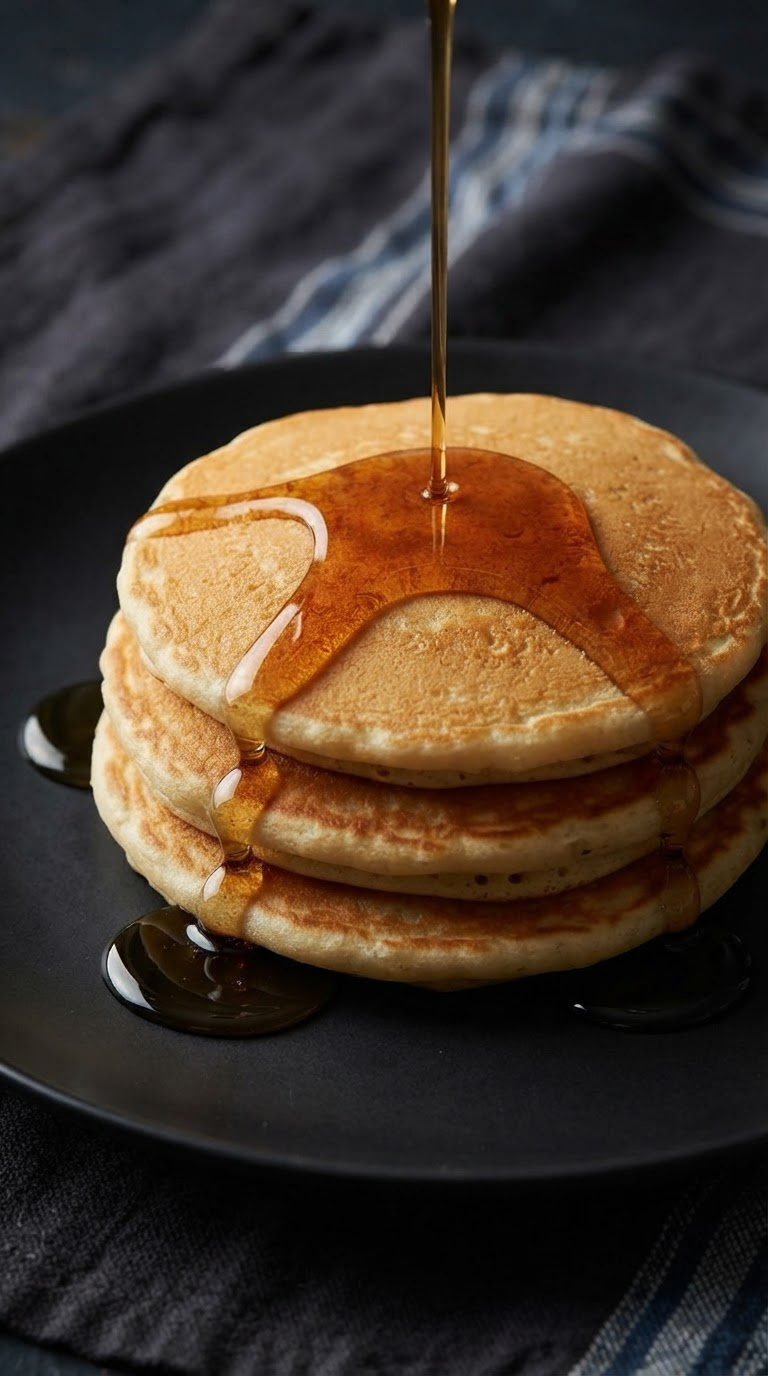
These small batch buttermilk pancakes make six 4-inch pancakes from one cup of flour, one cup of buttermilk, and one whole egg, which is three pancakes each and nothing left to go stale on the counter.
The recipe is scaled so you never have to split an egg, and it uses both baking soda and baking powder, because the soda reacts with the acid in the buttermilk for the first lift and tang while the powder keeps the rise going once the batter hits the pan.
Start to finish is about 20 minutes, including a 5-minute rest for the batter while the skillet heats.
WANT TO SAVE THIS FOR LATER?
We'll email it to you!
We won't send you spam. Unsubscribe at any time.
Why You’ll Love It
- Makes exactly 6 pancakes, 3 per person
- One whole egg, no half-egg math
- Real buttermilk plus baking soda for tang and lift
- About 20 minutes with one bowl and one measuring cup
- Dry ingredients can be mixed ahead in a jar
- Doubles cleanly if a third person shows up
Ingredients
Dry
1 cup (125 grams) all-purpose flour, spooned into the cup and leveled
1 tablespoon granulated sugar
1 teaspoon baking powder
1/2 teaspoon baking soda
1/4 teaspoon kosher salt
Wet
1 cup buttermilk, shaken well before measuring
1 large egg
2 tablespoons unsalted butter, melted and cooled for a minute, plus more for the pan
1/2 teaspoon vanilla extract (optional)
Steps
1. Whisk the flour, sugar, baking powder, baking soda, and salt together in a medium bowl with a 10-inch balloon whisk so the leaveners are spread evenly through the flour.
2. In a 2-cup glass measuring cup, whisk the buttermilk, egg, melted butter, and vanilla until the egg is fully blended in.
3. Pour the wet mix into the dry and fold with a spatula for 10 to 12 strokes, just until no dry streaks of flour remain, because a smooth batter means you overworked the gluten and the pancakes will come out tough and flat.
4. Let the batter sit for 5 minutes while the pan heats, and you will see it puff and thicken as the soda and buttermilk start reacting.
5. Heat a 10-inch cast iron skillet or nonstick pan over medium heat for 3 to 4 minutes, until a drop of water sizzles and skates across the surface instead of sitting there.
6. Rub a thin film of butter over the pan with a paper towel and wipe off the excess, since pooled butter fries the edges into a lacy brown rim and leaves the middle pale.
7. Scoop a scant 1/3 cup of batter per pancake with a 1/3-cup cookie scoop, two pancakes at a time in a 10-inch pan, and leave them alone without spreading.
8. Cook for about 2 minutes, until bubbles rise to the surface and stay open after they pop and the edges look matte and set rather than glossy.
9. Slide a thin flexible fish spatula under each pancake, flip once, and cook 1 to 1 1/2 minutes more until the second side is golden, without pressing down.
10. Move finished pancakes to a 18×13-inch half sheet pan in a 200°F (93°C) oven while you cook the remaining two rounds, re-buttering the pan lightly between them.
Helpful Tips & Substitutions
The first pancake is your thermostat, so if it is still pale after 2 minutes, raise the heat a notch, and if it has dark spots before any bubbles appear, lower it.
No buttermilk means stirring 1 tablespoon of lemon juice or white vinegar into a measuring cup, topping it up with regular milk to the 1-cup line, and waiting 5 minutes, because the baking soda needs that acid to work.
Plain yogurt thinned with milk (3/4 cup yogurt plus 1/4 cup milk) is another acid source that works, and it gives slightly thicker pancakes.
Do not swap the baking soda for more baking powder, since the soda is what neutralizes some of the buttermilk’s sourness and gives the deeper browning.
Cold buttermilk straight from the fridge will make the melted butter seize into little flecks when you whisk them together, which is harmless because they melt on the pan, but a 20-second zap of the buttermilk in the microwave avoids it.
Lumps in the batter are correct, and they hydrate during the 5-minute rest.
For blueberry pancakes, drop 5 or 6 berries onto each pancake right after pouring instead of stirring them into the batter, which keeps the batter from turning purple and the berries from sinking and burning.
Medium heat is the setting, not medium-high, because buttermilk batter browns faster than a milk batter and the inside needs the full 3 minutes to cook through.
To double the recipe for four people, double everything and cook in three rounds of four on a griddle, since the batter holds for 15 minutes without losing much lift.
Serving Ideas
Salted butter and maple syrup warmed for 20 seconds in the microwave is the standard, since cold syrup chills the pancakes on contact.
For a savory side, cook bacon on a rack on the same sheet pan in the oven while the batter rests, or bake a tray of Sausage Sheet Pan Scrambled Eggs for a bigger weekend breakfast.
If you like cooking breakfast for two without a week of leftovers, Small Batch Homemade Cinnamon Rolls scale the same way.
For a weekend spread, these six pancakes are the right amount to anchor a Pancake Charcuterie Board with berries, whipped cream, and nut butter laid out around them.
Any pancake that survives makes a sandwich the next morning, spread with peanut butter and folded around sliced banana.
Make-Ahead & Storage
The batter cannot be made ahead, because the baking soda starts reacting the moment it meets the buttermilk and the lift is gone within about 30 minutes.
The dry ingredients can be mixed and stored in a jar for up to 3 months, so the morning job is just whisking in the buttermilk, egg, and butter.
Finished pancakes hold in a 200°F oven on the sheet pan for up to 20 minutes without drying out.
Leftover pancakes keep in an airtight container in the fridge for 3 days.
To freeze, cool them fully, stack them with parchment between each one, and bag them for up to 2 months.
Reheat from the fridge or freezer in a toaster on a medium setting, about 2 minutes, which crisps the edges better than the microwave does.
The microwave works in a pinch at 20 to 30 seconds per pancake, but they come out soft and a little steamy.
The acid in the buttermilk is what gives the edges their lacy brown ring, so a milk-only batter at the same heat always cooks paler.
Six pancakes is also the number a 10-inch skillet turns out in three rounds, which is why the batch is sized the way it is.
WANT TO SAVE THIS FOR LATER?
We'll email it to you!
We won't send you spam. Unsubscribe at any time.